
Last updated September 10, 2026
Level 1 sweep and inspection to the NFPA 211 annual standard - flue, crown, cap, and flashing checked and photographed
Chimney sweep logs do not sweep chimneys. They loosen some creosote - which then falls where a brush and vacuum still have to collect it.
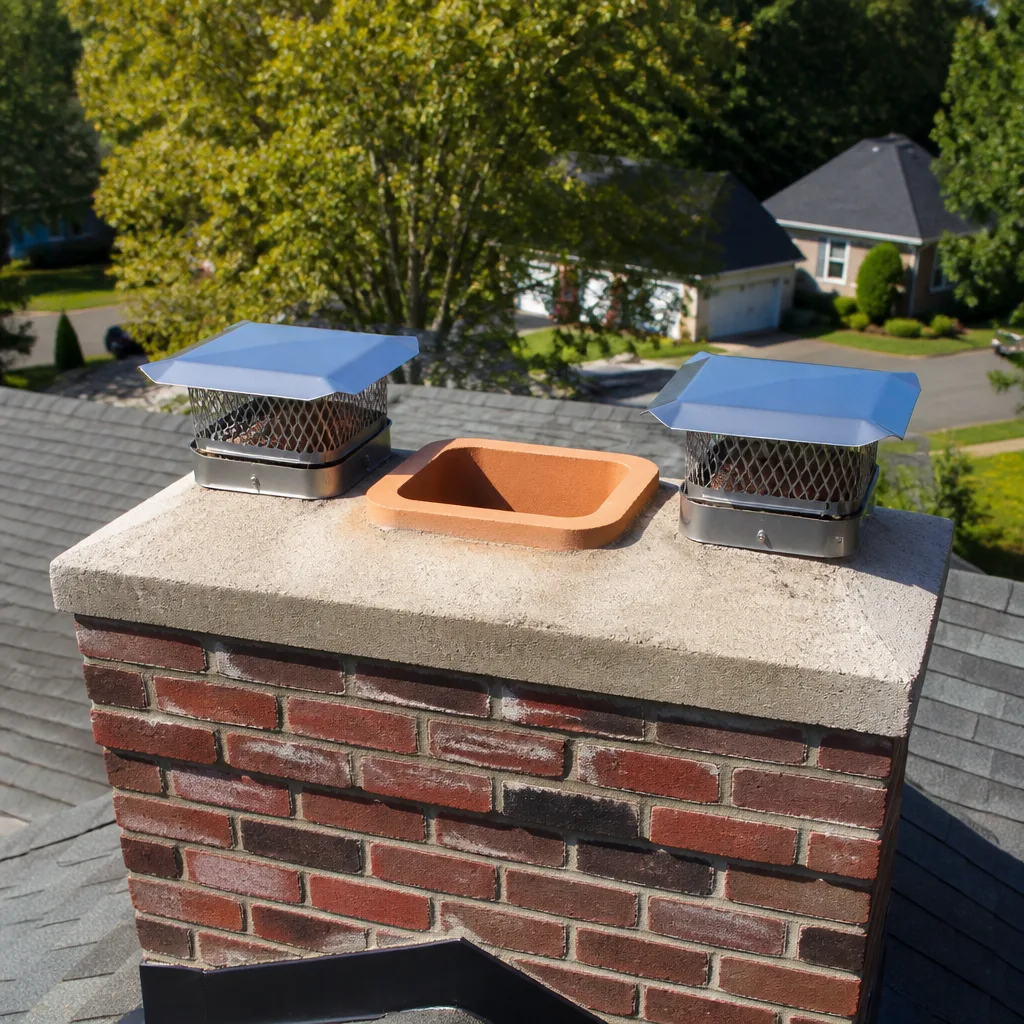
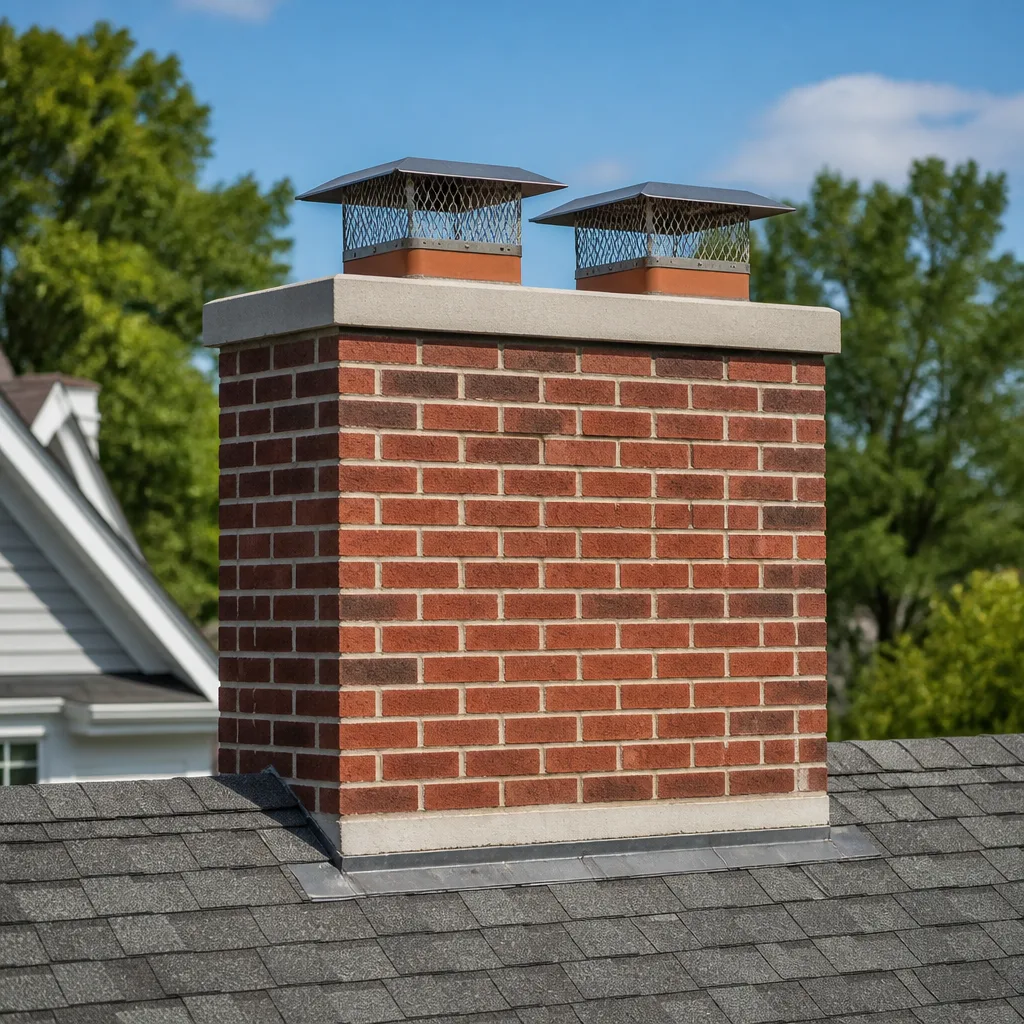
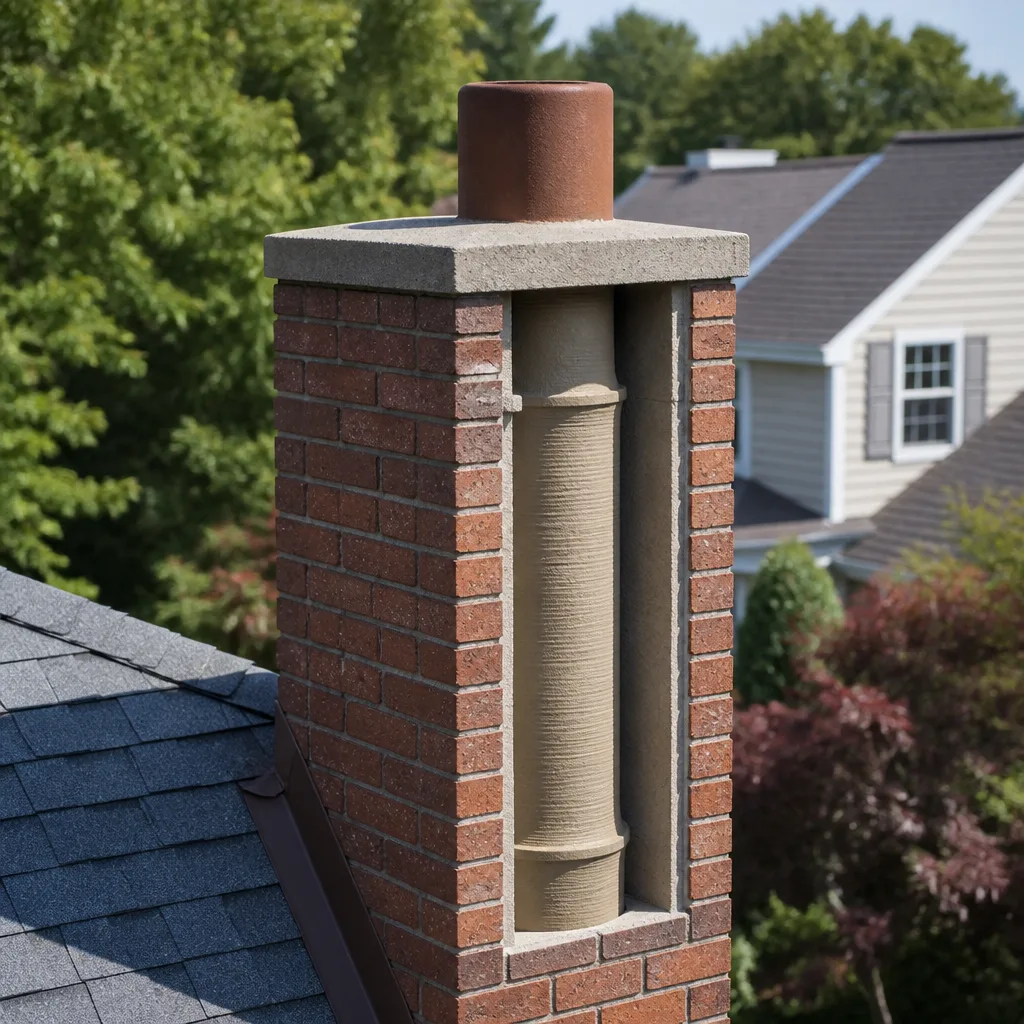
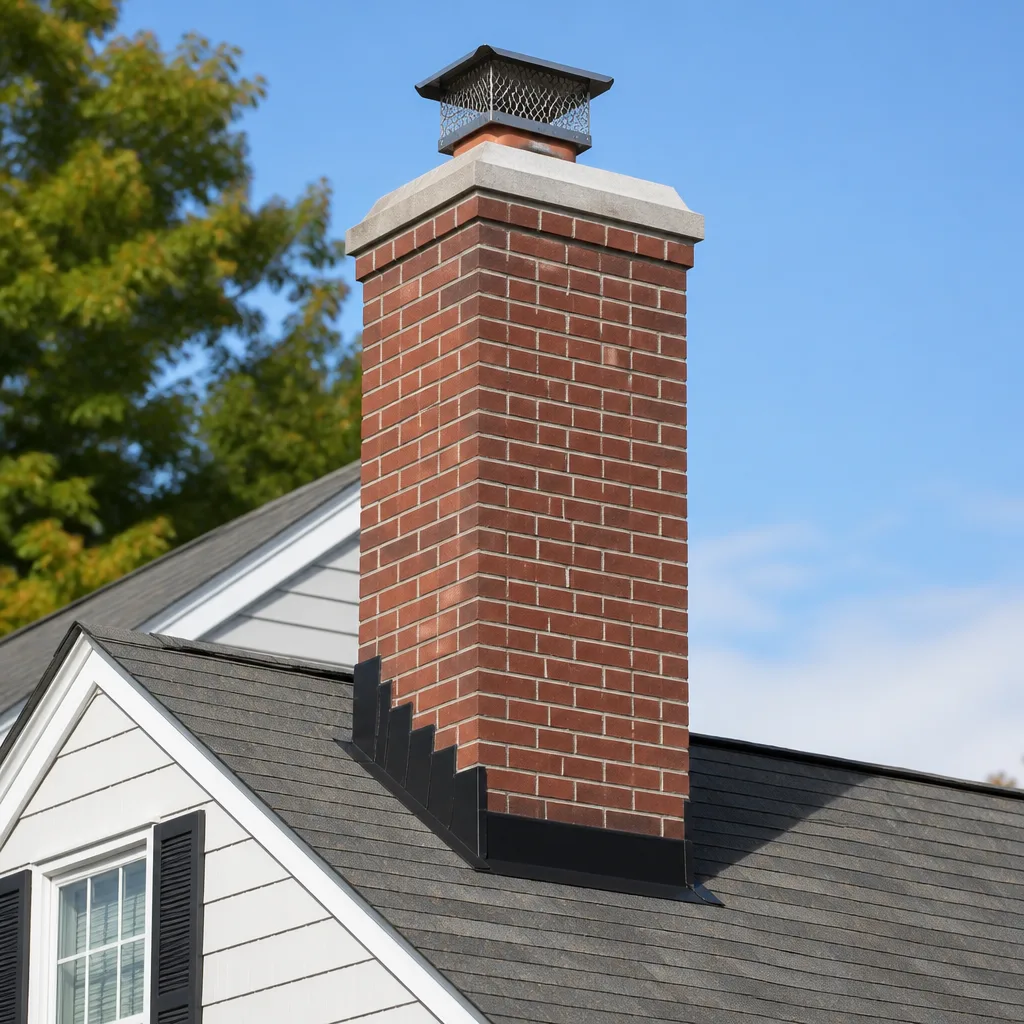
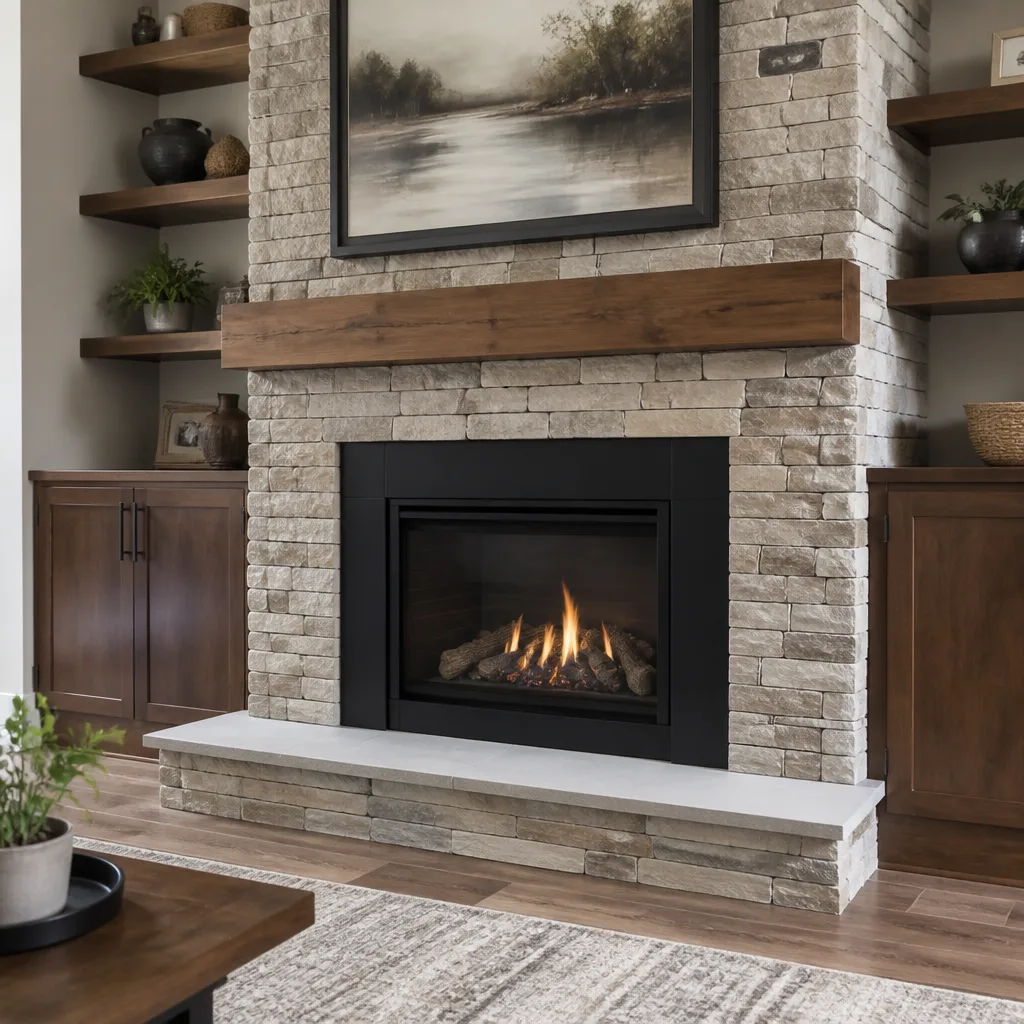
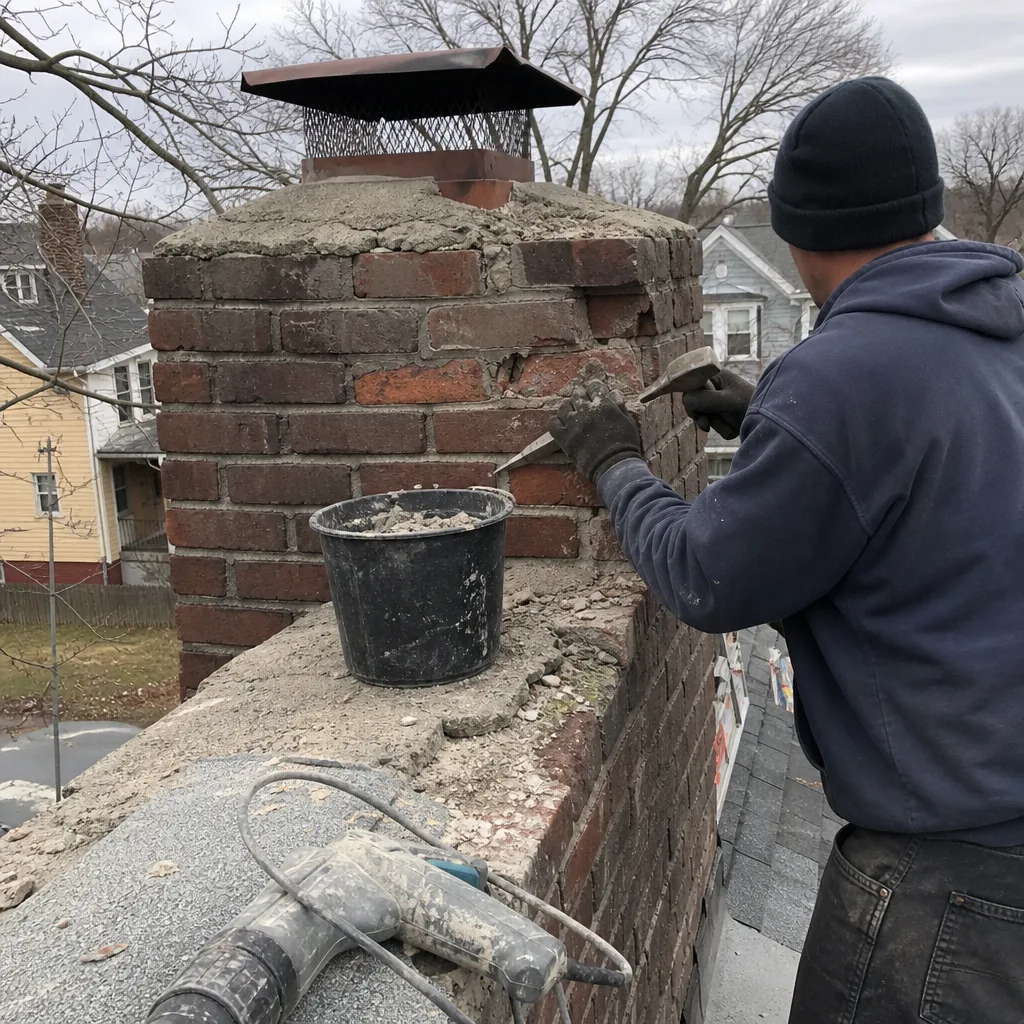 Before
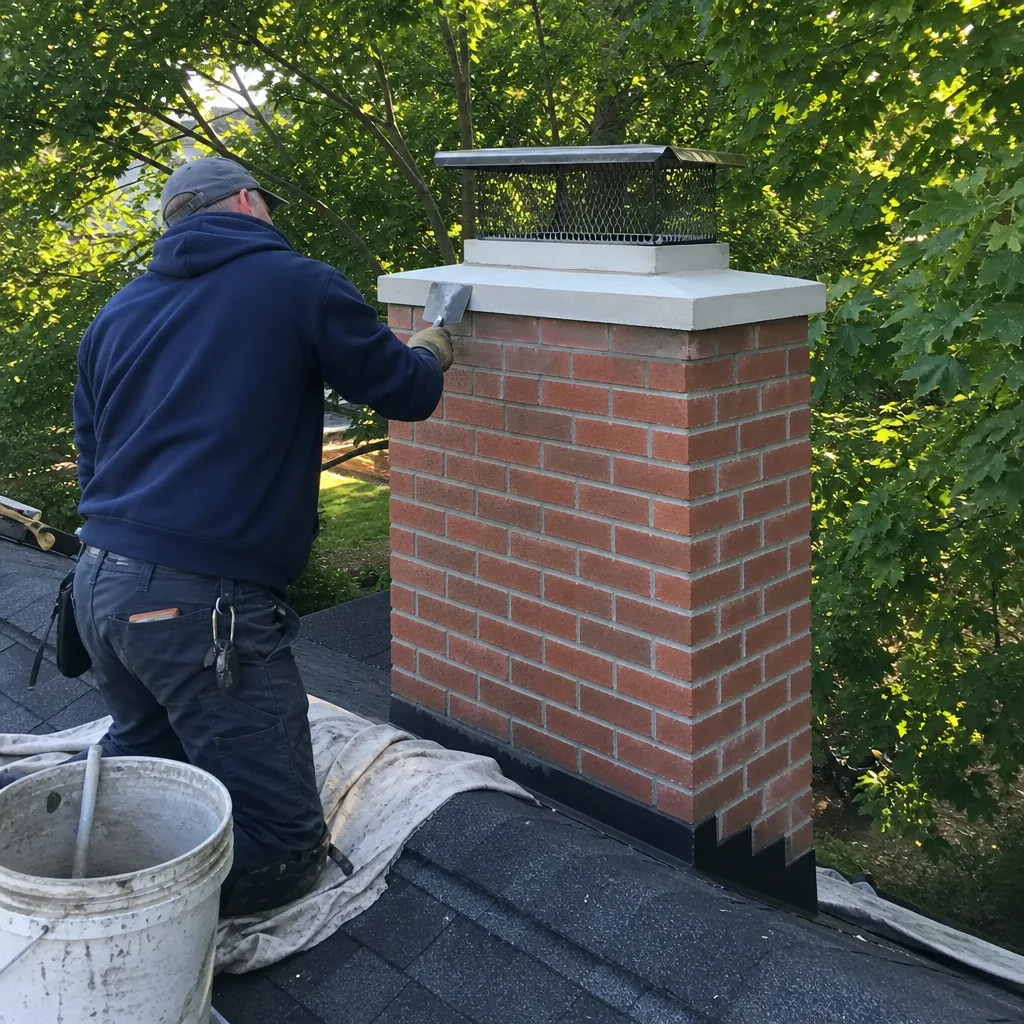 After
After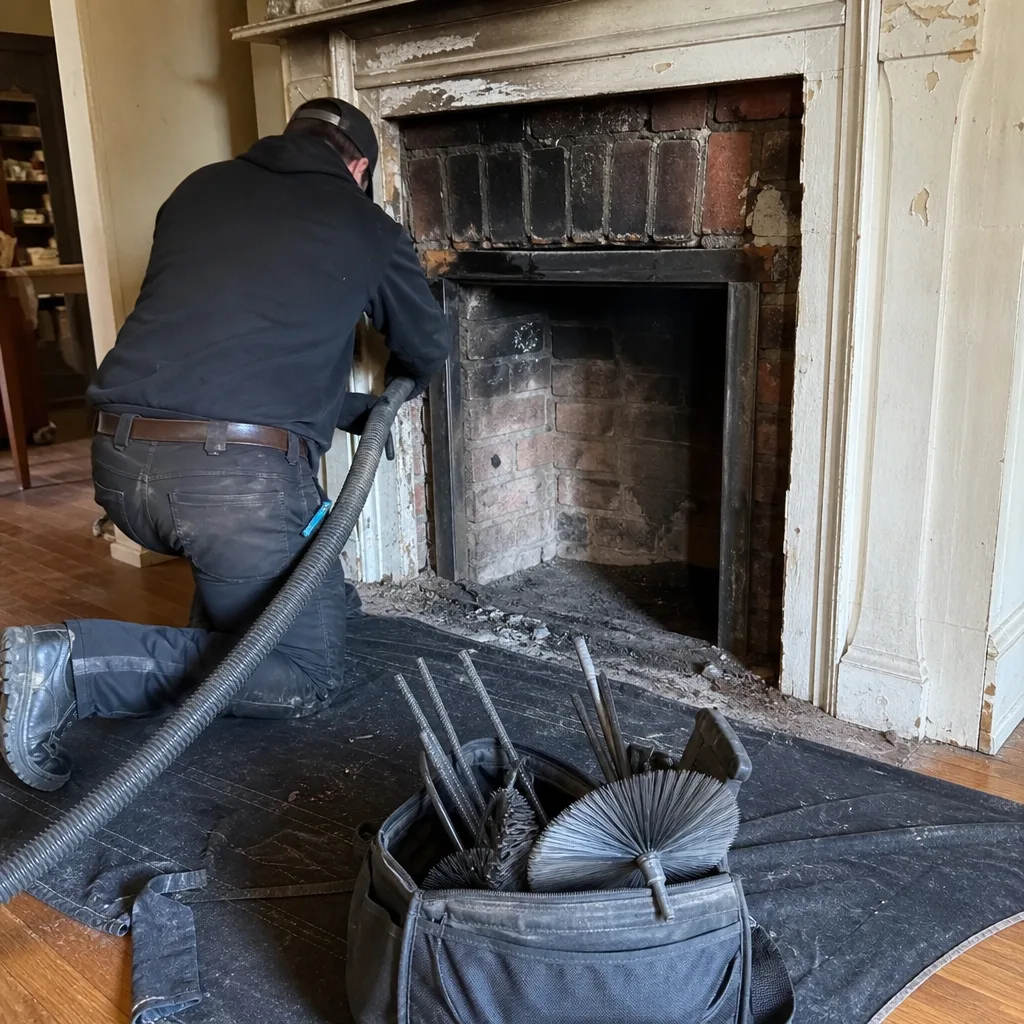 Before
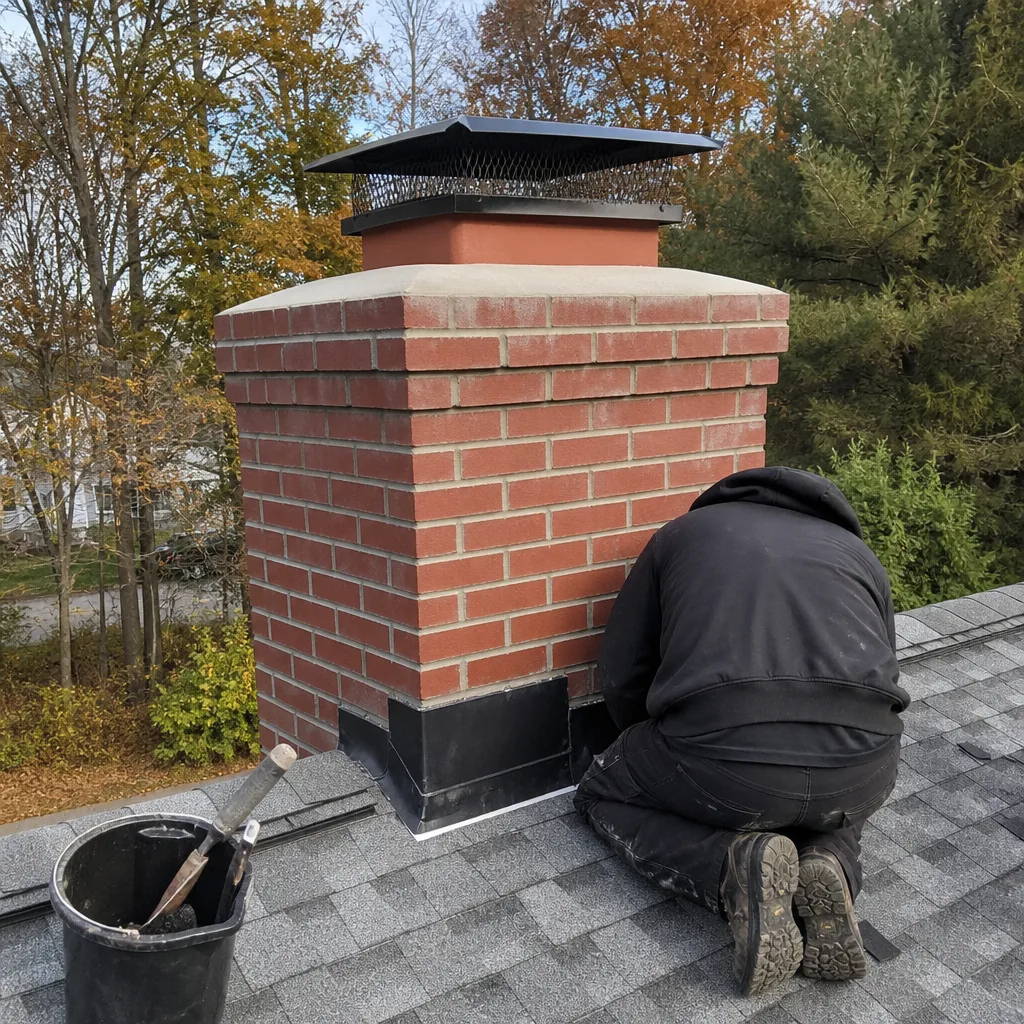 After
After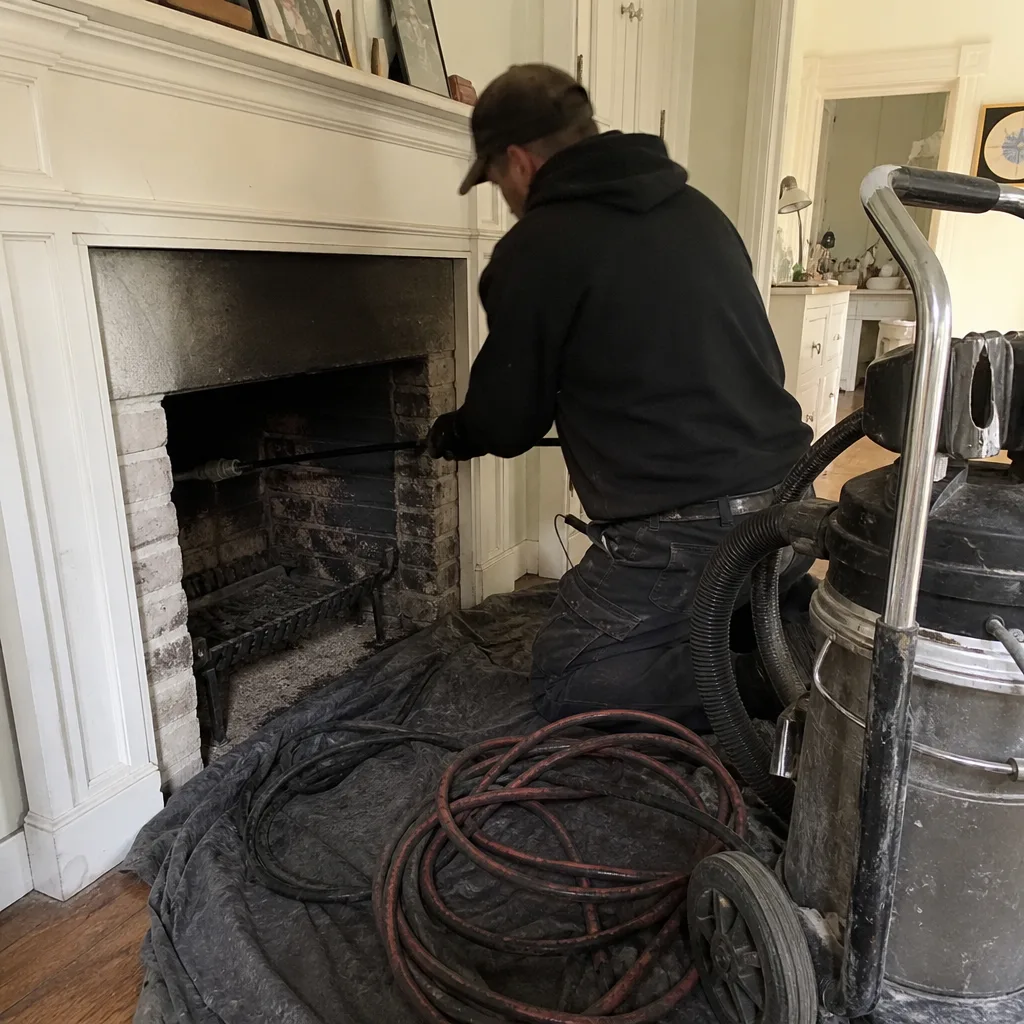 Before
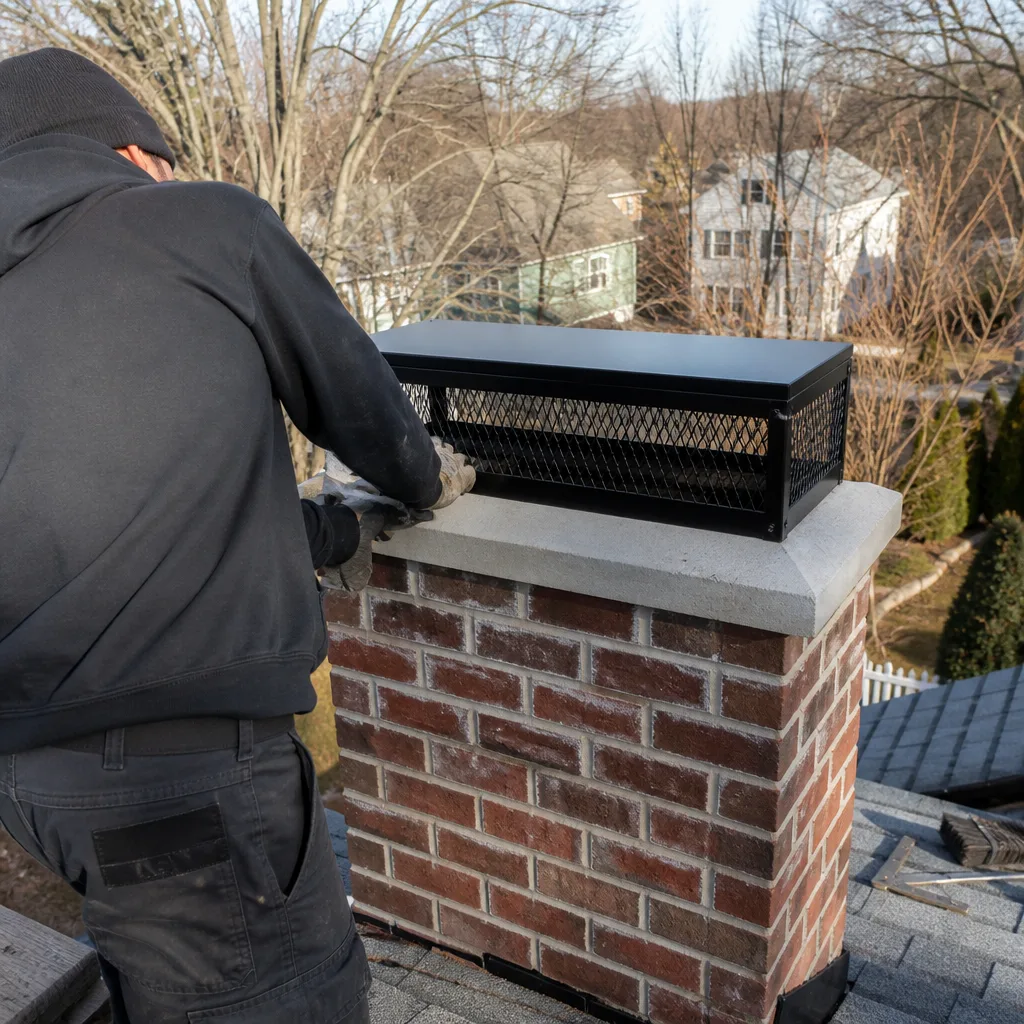 After
AfterChimney Cleaning & Sweep Maintenance Checklist for Norwood Homeowners
Most chimney checklists start and end with “Chimney Cleaning & Sweep.” That’s fine advice, but it skips the part that actually keeps a Norwood house safe: knowing what to look at between sweeps, from the ground up, so you catch a failing mortar joint in October instead of discovering it as water streaks across your living room wall in February. The overlooked item that causes the most trouble around here isn’t hidden inside the flue. It’s the damper, sitting right above your firebox, and you can check it yourself in under two minutes. This guide walks you through the full sequence: what to inspect from inside the house, what to photograph, what requires a professional, and which red flags mean you stop using the fireplace immediately rather than “schedule something when you get a chance.”
Quick Answer
A proper chimney maintenance routine for Norwood homeowners has four parts: a visual inspection you do yourself each fall and spring, a professional sweeping every year (burn or no burn), a written log of every service and observation, and photographs taken before and after every professional visit. The damper is the first thing to check because a damper that won’t open fully can restrict airflow enough to push carbon monoxide back into the house even from a clean flue. If you only remember one item on this list, remember that one.
Table of Contents
- Start Inside the House: Firebox, Damper, and Smoke Behavior
- Ground Level: What to Look for on the Exterior Before You Ever Climb
- Cap, Crown, and Flue: What a Sweep Sees From the Roof That You Can’t
- What to Photograph Before the Sweep Arrives
- What You Can Do Yourself vs. What Needs a Professional
- How to Keep a Cleaning Log That Insurance Companies Actually Like
- Red Flags: Stop Using the Fireplace Immediately
- Norwood-Specific Considerations: Weather, Homes, and Local Codes
Start Inside the House: Firebox, Damper, and Smoke Behavior
You don’t need any tools for the first five minutes of a chimney inspection. You need a flashlight, your eyes, and a piece of paper to write down what you find. Start at the firebox, the brick or metal chamber where the fire actually burns. Look at the firebrick. Loose bricks, cracks wider than a pencil line, or missing mortar between bricks means heat can reach the framing behind the fireplace. That’s not a cosmetic issue. That’s how house fires start in homes across Norfolk County every winter, and it’s one of the first things we check when we arrive at a Norwood job.
Next, open the damper. It’s the metal plate just above the firebox, operated by a handle or lever. Open it all the way, then listen and look. A damper that’s rusted open means cold air and rain come down the flue all year. A damper that’s stuck partly closed is worse: it starves the fire of air, which creates more smoke and a cooler, dirtier burn. The smoke that doesn’t get pulled up the flue has to go somewhere, and that somewhere is your living room, carrying carbon monoxide with it. If your damper doesn’t move smoothly through its full range, write it down on your log and call a sweep before the next fire. This is the single item that gets skipped on nearly every homeowner checklist, and it’s the one that matters most.
While you’re there, look up the flue with the flashlight. In a masonry chimney you’ll see the clay tile liner. In a prefab fireplace you’ll see metal pipe. Either way, you’re looking for anything that looks like it doesn’t belong: white staining, a dark shiny crust, pieces of tile on the smoke shelf, or daylight where there shouldn’t be daylight. Don’t trust your neck at this angle. If you see something you can’t identify, photograph it from the firebox and send it to a sweep. That’s what we tell our Norwood customers: when in doubt, take the picture with your phone and call us. It costs nothing to look.
Ground Level: What to Look for on the Exterior Before You Ever Climb
Walk outside and stand back far enough to see the whole chimney. Three things matter from the ground: plumb, pointing, and staining. Chimneys in Norwood take a beating from freeze-thaw cycles all winter. Water seeps into hairline cracks, freezes, expands, and pries brick apart over time. The result is a leaning chimney or one with visible gaps where mortar used to be. A lean of even a few inches is a structural problem that needs attention before the next storm, not after.
Here’s what to check from the ground:
- Mortar joints: Run your eyes up each corner of the chimney. Missing or crumbling mortar shows up as dark gaps between bricks. If you can flake mortar out with your thumbnail, the weather has won and repointing is overdue.
- White staining: White powdery or crusty deposits on the brick are efflorescence, which means water is moving through the masonry. It’s the first visible clue that a chimney is absorbing moisture, and it appears months before the wet spots show up on your ceiling.
- Dark streaks or green growth: Moss or algae near the top of the chimney means that section stays damp, typically because the crown is cracked or the cap is missing.
- Rust on the cap or flashing: Rust through metal flashing where the chimney meets the roof means a leak is already underway. The water may not have reached the drywall yet, but it’s working its way down.
- Missing or damaged cap: A chimney without a cap is an open pipe. Rain, leaves, birds, squirrels. Norwood has plenty of all four, and every one of them causes problems a cap would have prevented.
None of this requires a ladder. You can do all of it standing in your yard with a pair of binoculars if your eyesight needs the help. If you spot any of these issues, note them in your log with the date and a photo from the ground, then call for a professional look. The sooner a repointing job happens, the fewer bricks need replacing, and the invoice reflects that.
Cap, Crown, and Flue: What a Sweep Sees From the Roof That You Can’t
Everything above the roofline is where homeowners go from “I check my chimney” to “I trust my sweep.” And that’s the right line to draw. A steep Norwood roof in November is not the place to learn balance. What you need to know is what a proper sweep checks from up there, so you can ask the right questions and judge whether the person on your roof earned the invoice.
- The crown: The concrete slab at the very top of a masonry chimney. A crown should slope away from the flue and have no cracks wider than a dime. Cracked crowns are the most common source of chimney leaks in Norfolk County. A proper fix is a poured or pre-cast replacement, not a smear of caulk.
- The cap: The metal cover above the flue opening. It keeps rain, snow, and animals out while letting smoke escape. If it’s rusted through, bent, or missing entirely, the chimney is open to the sky. Replacement caps from Copperfield or Gelco are what we install most often because the mesh and hood survive Norwood winters better than generic hardware-store versions.
- The flue liner: Visible from above as the inside wall of the chimney. A sweep looks for cracked tiles, a buildup of glaze-like creosote, or a liner that’s begun to separate. A camera inspection shows the full story. Without it, you’re guessing at what’s inside 20 feet of dark brick.
- The flashing: The metal strips where the chimney meets the shingles. Lifted, corroded, or improperly installed flashing is the second most common leak source after the crown. It’s also one of the easiest things to check with a drone photo or a careful roof visit, and one of the most commonly overlooked items on a cheap chimney quote.
These are the items a sweep sees and you don’t, which is exactly why a written inspection report with photographs matters. Ask for camera footage of the flue before you pay for a liner replacement or a repair you can’t see from the ground. We hand every Norwood customer their camera images and a plain-English verdict on the spot. No exceptions.
What to Photograph Before the Sweep Arrives
A before-and-after record is the simplest piece of insurance you’ll ever create for your chimney. It takes ten minutes, you already have the camera in your pocket, and it means you can hold every contractor to an objective standard. It also helps when you’re selling the house. A buyer who sees a clean chimney log with photographs worries less about the fireplace.
Photograph these items before any professional work begins:
- The firebox from straight on: Kneel or crouch so the camera is level with the opening. You want the brick or panels, the grate, and the damper all in frame. This is your baseline for firebrick condition.
- The damper in both positions: One photo open, one closed. If a sweep later says the damper was fine when they arrived, you have proof of what it looked like.
- The flue from below: Point your camera phone straight up from inside the firebox and take a photo with flash. It won’t be a great photo, but it records the condition of the liner at that moment.
- The exterior chimney from the ground: Take one wide shot from the street, one from your yard showing all four sides you can see, and close-ups of any cracked mortar, white staining, or rust you spotted during the ground inspection.
- The cap, if visible: From the ground or a second-floor window, zoom in on the cap and crown. If you can’t see them, make a note in the log: “Cap not visible from ground, checked by sweep.”
- Any interior water stains near the fireplace: Walls, ceiling, baseboards. These are your evidence of past leaks and your reference point to see if a fix actually stopped the problem.
- Checking the damper opens and closes fully
- Shining a flashlight up the flue and photographing what you see
- Inspecting firebrick for cracks and loose mortar
- Vacuuming cooled ash from the firebox with a shop vac (only when completely cold, never right after a fire)
- Testing for drafts: on a windy day with the damper closed, hold a strip of tissue near the fireplace opening. Movement means a leaky damper
- Keeping the cleaning log up to date
- Looking for water stains on walls and ceilings near the chimney
- Anything that requires getting on a roof. Norwood roofs get steep and slick, and chimney falls are unforgiving
- Sweeping the flue itself. The right tool is a rotary brush or rod system sized to your flue, along with a vacuum that captures the dust instead of spreading it through your house
- Removing third-degree creosote glaze. A flat wire brush does nothing to glaze. It requires chemical treatment or a rotary chain whip
- Camera inspection of the liner. The camera and its operator both need to go where you can’t safely reach
- Crown repair, repointing, cap replacement, flashing work. Any masonry above your head is a scaffold or harness job
- Liner installation or rebuild. That’s a full day of specialized work with code requirements behind it
- Date of service or observation
- What was done: swept, inspected, repointed, cap replaced, liner installed, or “visual check from ground”
- Who did it: company name and the technician’s name if you have it
- Findings: creosote level (first, second, or third degree), cracks found, cap missing, damper repair needed, or “no issues noted”
- Photos taken: yes or no, and where they’re stored
- Next step and date: what needs follow-up and when you plan to schedule it
- Any smell of smoke or gas in the house when the fireplace is not in use. Downdraft can push exhaust back into the living space. Carbon monoxide poisoning doesn’t announce itself. Shut the damper, open a window, and call.
- Visible cracks in the flue liner, seen from the firebox or during inspection. The liner is the only thing between the fire and the wood framing of your house. A crack is a pathway for heat and sparks.
- A damper that will not open fully or will not close at all. Either condition creates a draft or airflow problem that makes the fireplace unsafe to use.
- Evidence of a chimney fire: a loud popping or roaring sound from the flue during a burn, thick dark smoke suddenly filling the house, or creosote that has taken on a puffy, honeycomb texture inside the flue afterward. A chimney fire can burn at temperatures that crack tiles and warp metal pipe, leaving the chimney unsafe even if the fire went out on its own.
- Water actively dripping into the firebox or staining the ceiling near the chimney. This means the crown, cap, or flashing has failed and water is moving through the structure. The damage compounds every week it’s left unaddressed.
- Spalling brick. Flaking, popping, or chunks of brick falling from the chimney face. This is structural deterioration, not a surface blemish.
After the sweep is done, repeat the same photos. Compare them side by side. That after-photo set is what the 90-Day Done Right Promise is built on at Top Hat Chimney home: if something is not done right, one call brings Wendell and his crew back, and the photos make it obvious what needs a second look.
What You Can Do Yourself vs. What Needs a Professional
Let’s be plain about the boundary line. On one side you have the visual checks, the cleanup, and the record keeping. On the other side you have the actual cleaning, the roof work, and anything involving a chimney fire’s aftermath or a cracked liner. Crossing that line without training is how homeowners end up hurt or worse. We’d rather lose an easy invoice than have you on a ladder in February.
Safe to do yourself from inside the house
Leave to a professional with proper equipment
If you want the full professional rundown on what a proper cleaning involves, read through Chimney Cleaning & Sweep in Norwood. The short version is that a full service takes about an hour to ninety minutes for a standard single-flue Norwood home, and the sweep should show you the camera footage before they pack up.
How to Keep a Cleaning Log That Insurance Companies Actually Like
A chimney log is not a diary. It’s a one-page document that proves you did the maintenance. Insurance companies ask for it when you file a claim after a chimney fire or water damage, because a homeowner who can show annual sweeps is a different case than one who can’t. The log doesn’t need to be fancy. It needs to be consistent and dated.
Here’s the log format we recommend to every Norwood homeowner we serve:
Keep it in a physical folder near the fireplace or in a digital folder on your phone. Both work. What matters is that the record exists when you need it, and that you update it on the same day as any service or observation. When you sell the house, hand the log to the new owner. It’s worth more than a fresh coat of paint in the negotiation.
Norwood homeowners occasionally ask us whether this level of record keeping is really necessary for a fireplace they use ten times a year. The honest answer is yes. It’s not the ten fires. It’s the 365 days the chimney sits there exposed to weather, animals, and time, and the fifteen minutes a year you save your future self by writing down what you saw. The log is for the day you need proof, and that day comes to more people than you’d think.
Red Flags: Stop Using the Fireplace Immediately
Some findings mean you close the damper, put the matches away, and call for service before you light another fire. Not next month. Not at the start of burning season. Now. These are the ones we tell our Norwood customers to treat as stop signs, and the reasoning behind each.
One of these has an especially tricky version, and we see it all over Norfolk County: ceramic tile liners that look fine from the ground but failed at the top courses where the heat and weather hit hardest. That’s why the camera inspection matters. A visual check from the firebox only sees the first couple feet of flue. The problems that burn houses down often start 20 feet up where nobody looks.
If you hit any of these red flags in Norwood, call us at (508) 687-5884. We’ll give you a straight answer on the phone and upfront pricing before any work happens. If we tell you something can wait, it can wait. If we tell you to stop burning, there’s a reason, and we’ll show you the camera footage.
Norwood-Specific Considerations: Weather, Homes, and Local Codes
Norwood sits in Norfolk County with winters that repeatedly freeze and thaw from late November through March. That cycle is the quiet enemy of every masonry chimney in town. A hairline crack absorbs a few drops of water, the water freezes and expands, the crack widens, and by spring the mortar joint is gone. Repeat that for ten years and you have a chimney that needs a rebuild instead of a repoint. The homeowners who avoid the rebuild are the ones who caught the efflorescence in year two and did something about it.
The housing stock here matters too. Norwood has a lot of colonials, capes, and older ranches from the mid-20th century, many with original clay tile liners that were never designed for the modern furnaces and water heaters they now vent. If you upgraded your heating system in the last twenty years and still vent it through the old chimney, the liner may be under stress it wasn’t built for. A camera inspection tells you fast.
Local building codes require that any chimney serving a fireplace or solid-fuel appliance be inspected and swept as needed to prevent dangerous creosote buildup. The National Fire Protection Association standard is annual inspection and cleaning when creosote reaches one-eighth of an inch. That’s the industry rule of thumb, and it applies regardless of how often you burn. We’ve swept chimneys in Norwood that hadn’t seen a fire in three years and still pulled out enough creosote to fill a grocery bag, as explained in The Complete Guide to Chimney Cleaning in Norwood. The flue doesn’t care how the fire looks. It cares how it breathes.
For more on the specific repairs we handle around town, including crown work and repointing, see Chimney Repair in Norwood. And if the issue is more about the fireplace itself, from gas logs to dampers to surrounds, the Fireplace Services in Norwood page covers what we do.
Common Mistakes to Avoid
- Skipping the damper check. It takes two minutes and catches the airflow problem that most walk-throughs miss. A partly open or stuck damper is the difference between a clean burn and carbon monoxide in the house.
- Burning pine and other soft woods regularly. Soft wood burns fast and cool, which produces creosote faster than well-seasoned hardwood like oak or maple. Norwood homeowners with pine from a downed tree in the yard learn this the hard way when the sweep shows them the first-degree to second-degree buildup on the camera.
- Cleaning only when the chimney looks dirty. First-degree creosote is a brush job. Third-degree is a glaze that requires chemical treatment or a rotary whip. Catching it early means a simple sweep instead of a specialist call.
- Ignoring the exterior because “the fireplace still works.” The firebox can function beautifully while the crown crumbles above the roofline. Water damage is a separate system from smoke function, and both need separate attention.
- Trusting a $59 sweep special. A cheap sweep either won’t last, won’t include a proper inspection, or will find a way to inflate the price at the door. The number you hear on the phone should be the number on the invoice. That’s how we work in Norwood, and it’s why our customers stay with us for decades.
- Not photographing before and after. Your phone is your best evidence. Without photos, a dispute over work quality becomes a word-against-word argument. With photos, it’s a ten-second conversation.
- Waiting for burning season to schedule a sweep. Once a year, burn or no burn. Chimneys break in the off-season too. Leaving it from March until October is fine, but calling in October during the rush means longer wait times before you can safely light that first fire.
When to Call a Professional
Call a professional when you see any of the red flags listed above, when it’s been over a year since the last sweep, or when your damper doesn’t move smoothly through its full range. Call when you’re selling the house and want documentation that the chimney is sound. Call after any chimney fire, even a small one. Call when you notice water stains near the fireplace or efflorescence on the exterior brick. And call when you simply haven’t looked in a while and want a trained set of eyes on the whole system. Top Hat Chimney offers free estimates in Norwood, and the number is (508) 687-5884. We’ll give you a real arrival window, a background-checked technician in uniform, and upfront pricing before a single tool comes off the truck. If you have a competing written estimate, we’ll give you a free second opinion on it.
Frequently Asked Questions
Once a year, even if you rarely use the fireplace. The National Fire Protection Association standard is an annual inspection, and a sweep when creosote reaches one-eighth of an inch. Norwood’s freeze-thaw cycles also mean the exterior needs a yearly check because crowns and mortar joints fail on their own schedule, not the fireplace’s.
A standard chimney cleaning and inspection in the Norwood area typically runs $195 to $275 for a single flue, with additional flues adding $75 to $100 each. Camera inspections, creosote removal beyond a standard sweep, and repairs are priced separately after you see the problem for yourself. Call (508) 687-5884 for an exact quote before anyone shows up.
Not unless the camera inspection shows cracked tiles, separated joints, or damage from a previous chimney fire. A liner is a real investment, and no one should sell you one without showing you the footage. We replace liners with DuraFlex or HeatShield systems when the old liner has failed, and we’ll show you exactly why it’s needed before you spend a dollar.
Creosote builds up in layers over time, and the glazed third-degree type becomes a fire hazard that a simple brush can’t remove. Water damage accumulates too, widening cracks and loosening bricks. The eventual repair bill is bigger than the cost of annual sweeps, and the safety risk during that final unattended year is real.
You can handle the visual checks, the ground inspection, and the record keeping. Leave the actual sweeping, the roof access, and the camera inspection to a trained professional with proper equipment. The risk on a Norwood roof in winter isn’t worth the hundred dollars you’d save.
Yes. We’ve served Norwood and the surrounding Norfolk County communities since 1999, and we’re locally owned and owner-operated by Wendell Pike. There’s no trip charge for calls inside our service county, and every job carries the 90-Day Done Right Promise in writing.
The Bottom Line
A useful chimney checklist isn’t about checking boxes. It’s about knowing what to look at, in what order, so you can catch the damper problem before it matters, the cracked crown before it leaks, and the creosote before it becomes a fire hazard. Start inside at the firebox, check the damper, then walk the exterior from the ground. Photograph everything. Log it all. And get a professional sweep once a year, burn or no burn, with camera proof of what the flue actually looks like. For more guides & resources, explore our blog. Norwood’s weather punishes chimneys that get ignored. Yours doesn’t have to be one of them.
Written by Wendell Pike, Owner at Top Hat Chimney, serving Norwood since 1999.