
Last updated September 10, 2026
Level 1 sweep and inspection to the NFPA 211 annual standard - flue, crown, cap, and flashing checked and photographed
Chimney sweep logs do not sweep chimneys. They loosen some creosote - which then falls where a brush and vacuum still have to collect it.
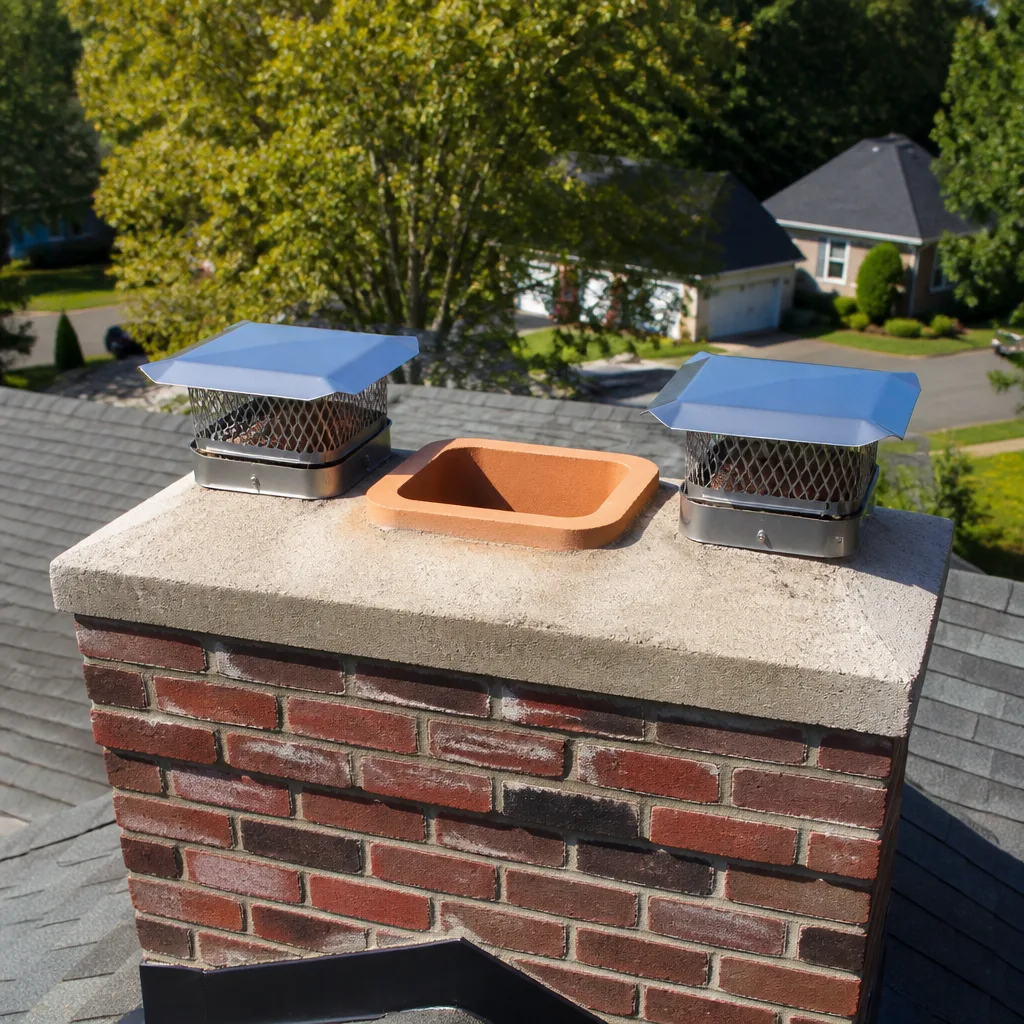
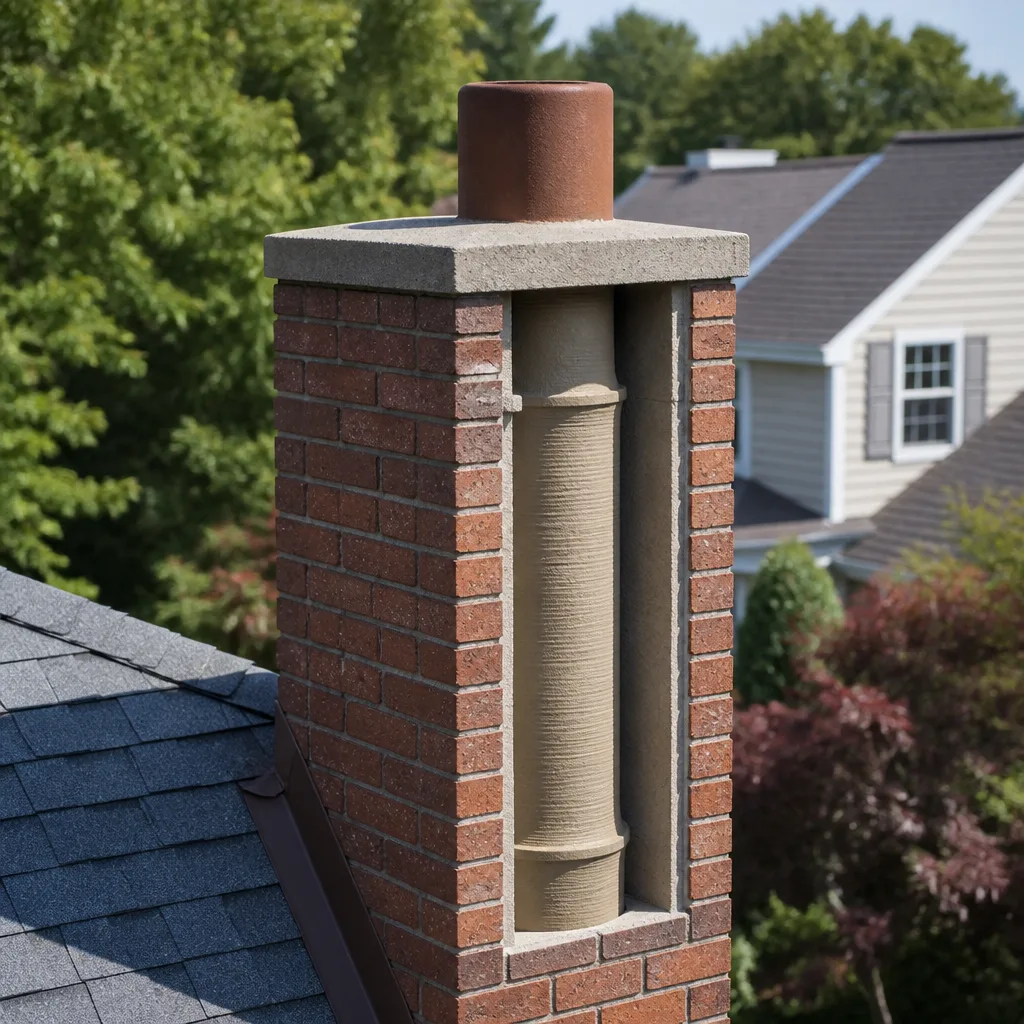
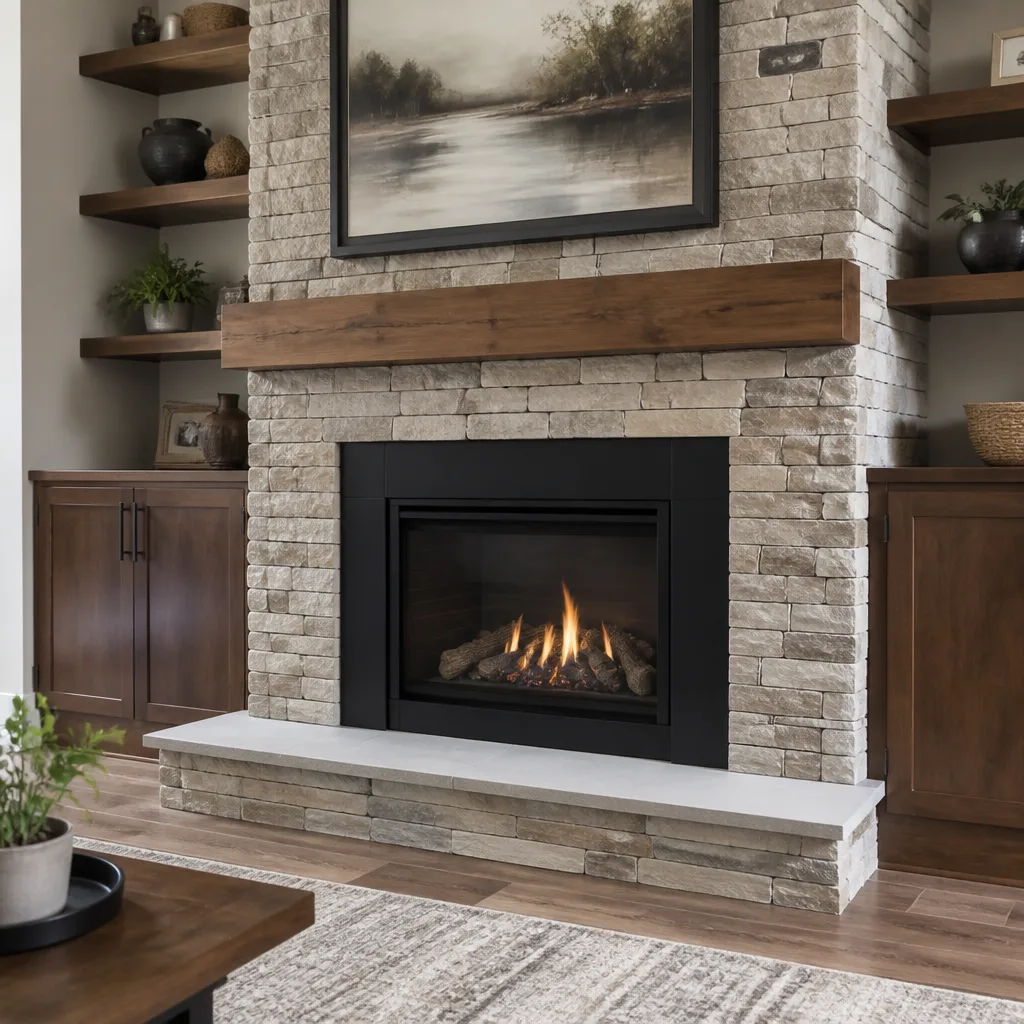
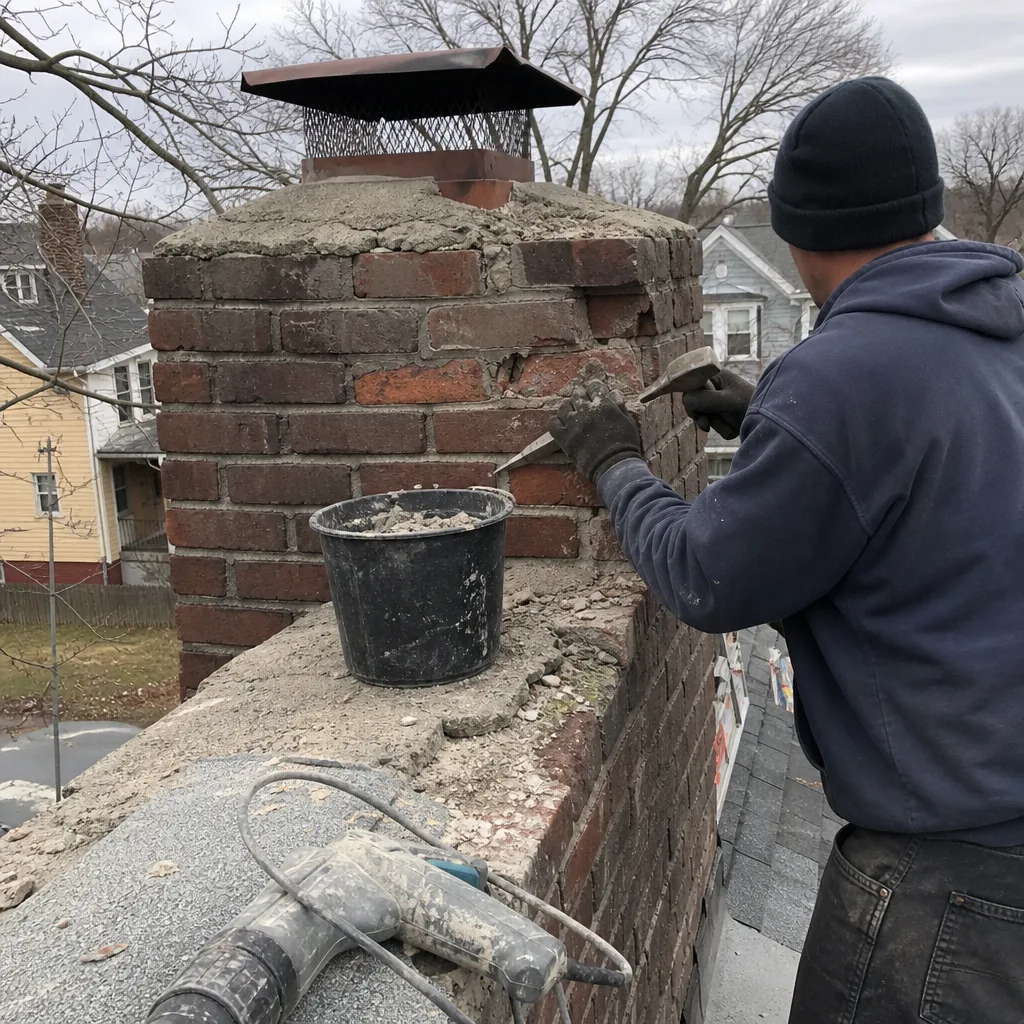 Before
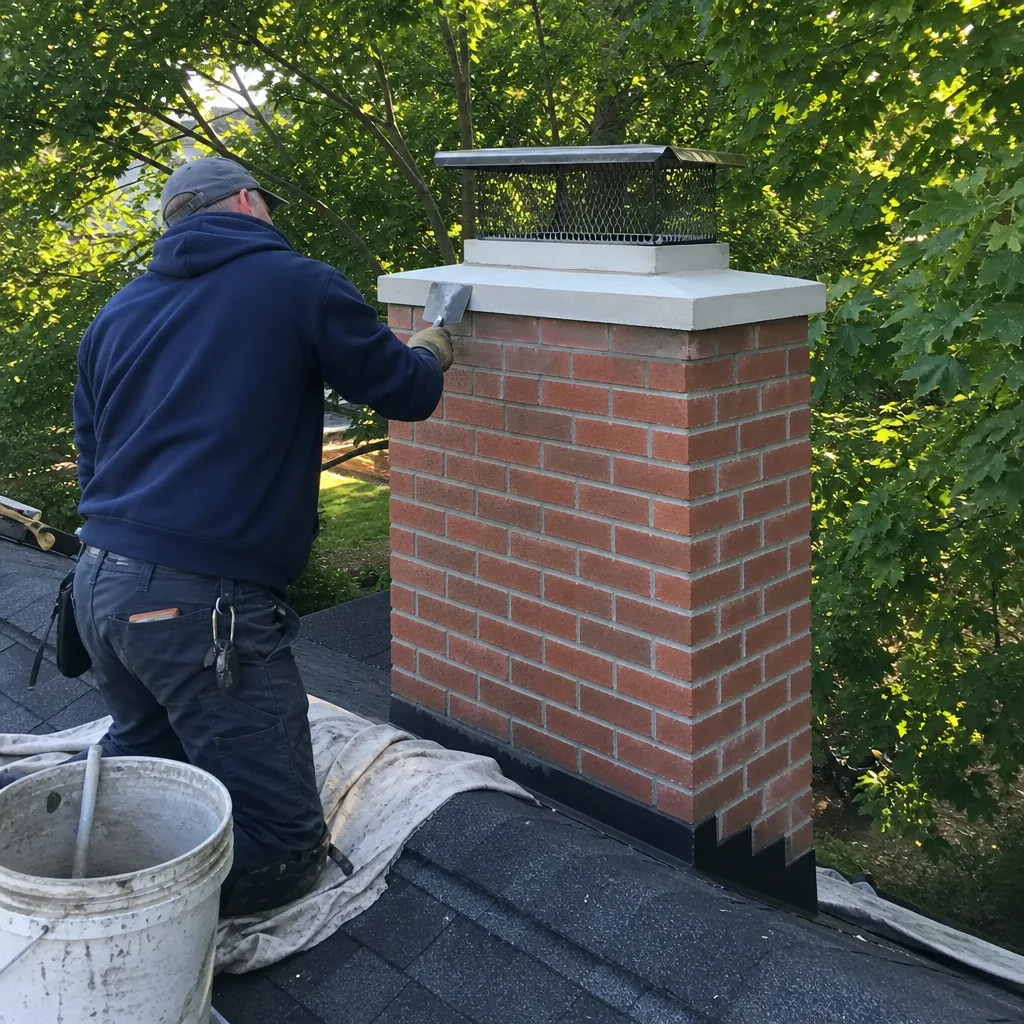 After
After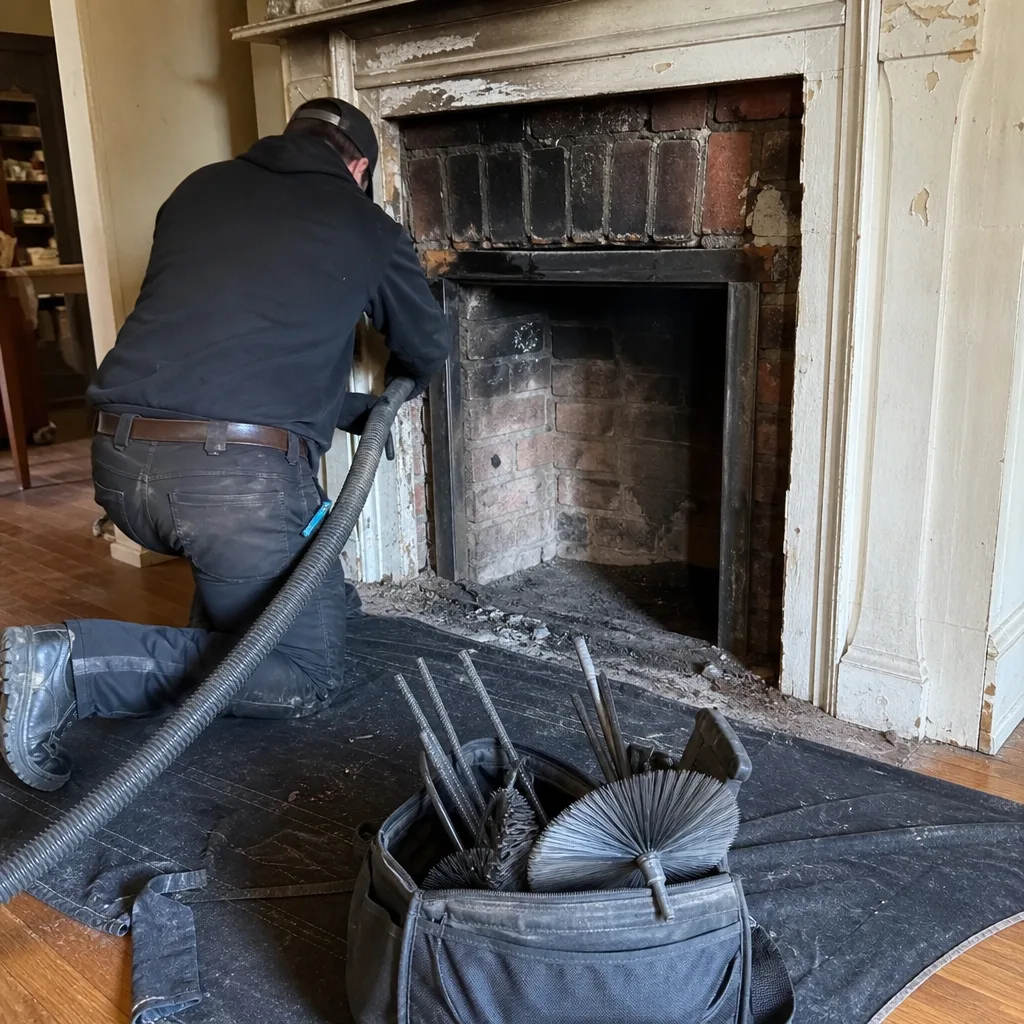 Before
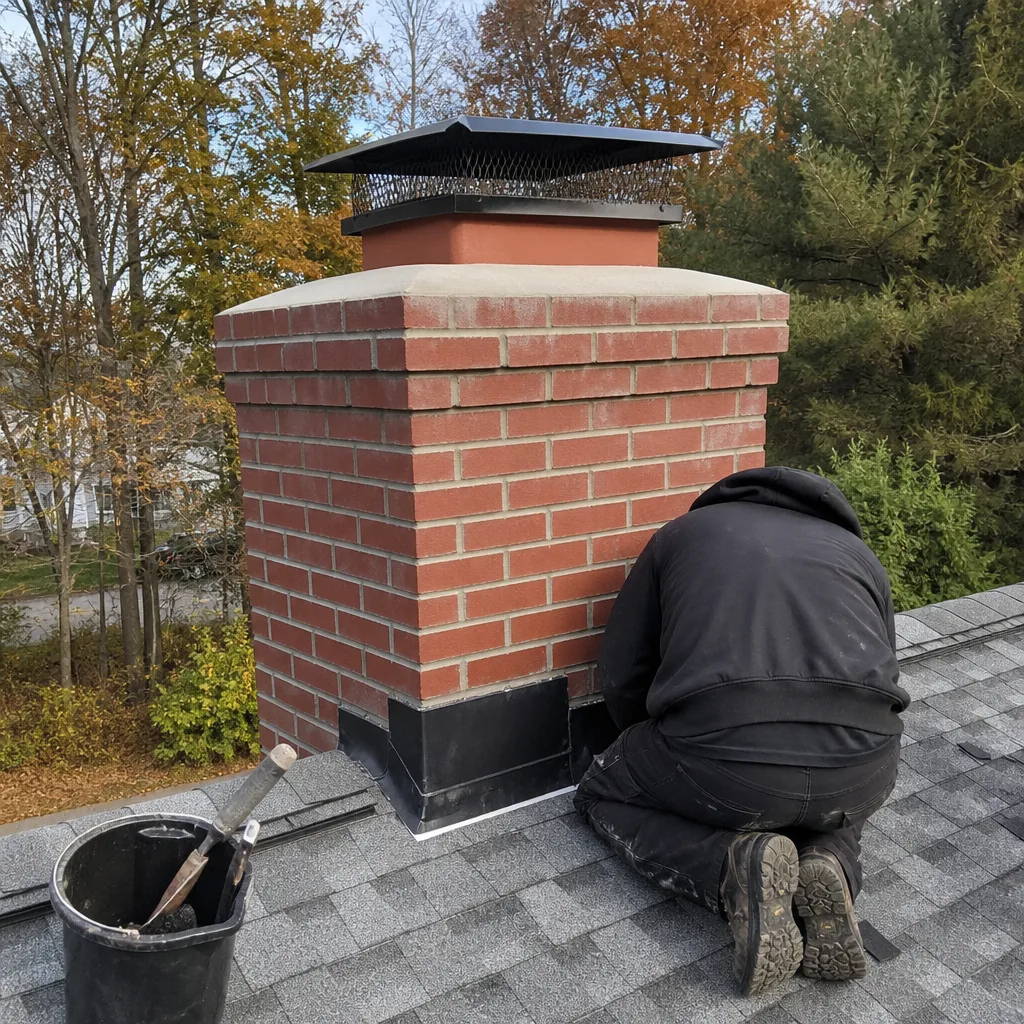 After
After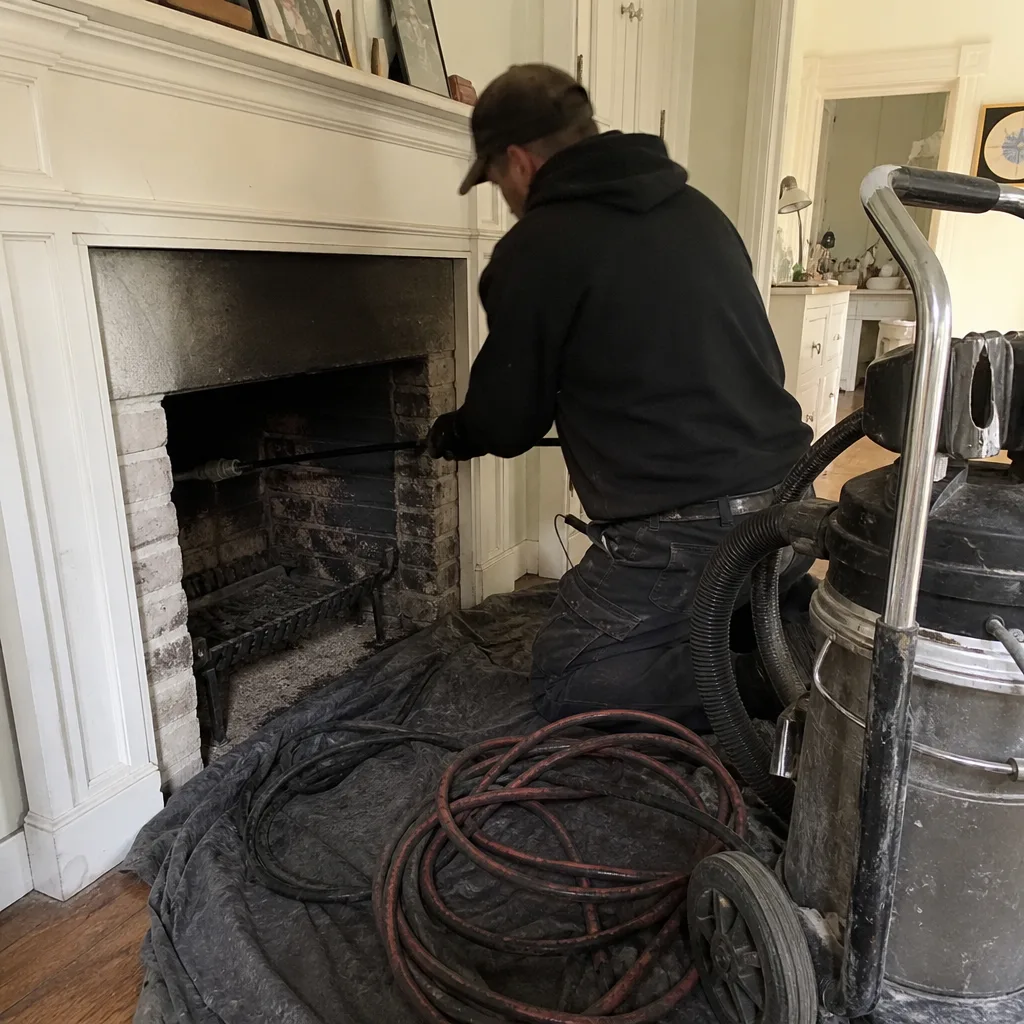 Before
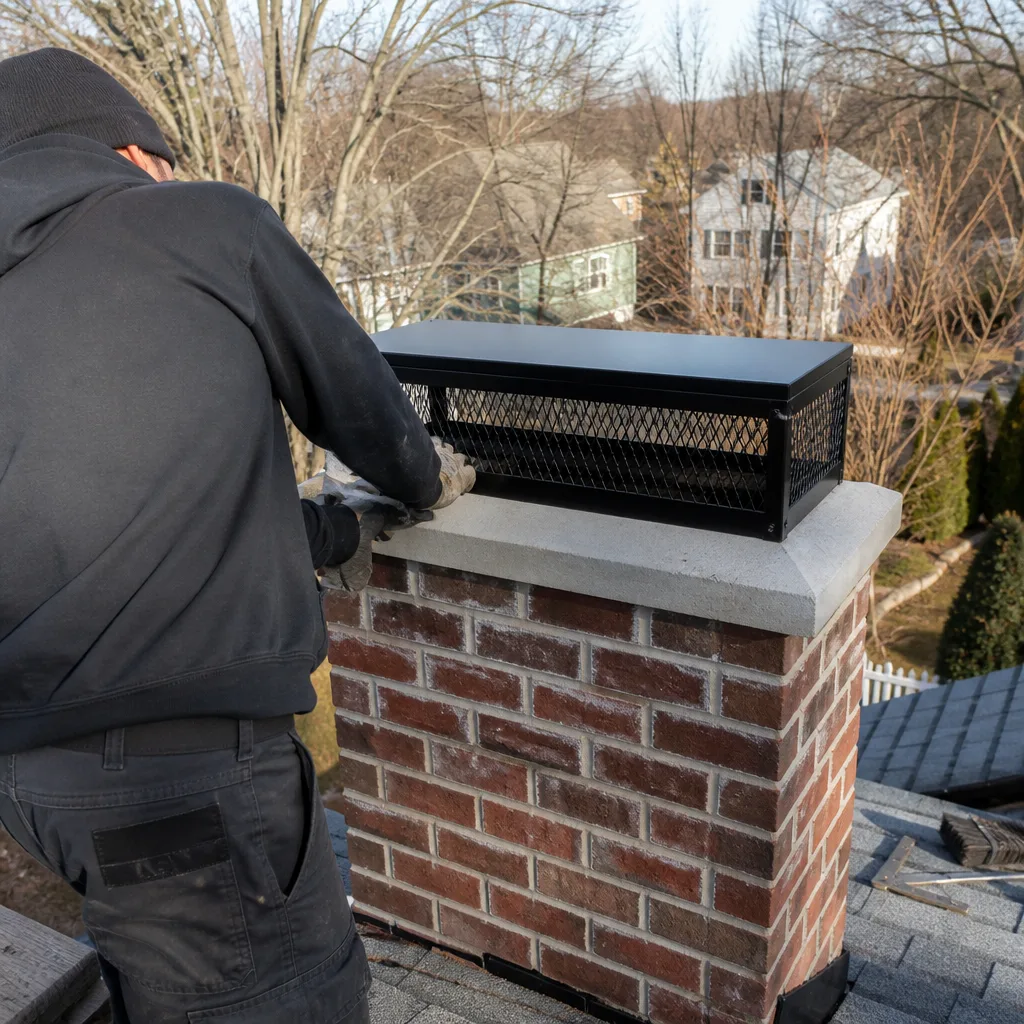 After
AfterChimney Cleaning Permits, Codes & Inspections in MA: What You Need to Know
Here’s a number that surprises most Massachusetts homeowners: fully 80% of chimney-related permit applications in Norwood are triggered not by the cleaning, but by what the sweep finds during it. A Level 1 inspection turns up a cracked flue tile, and suddenly a $249 cleaning becomes a $6,000 reline that technically requires a building permit under 780 CMR. By the end of this guide, you’ll know exactly where the permit line sits, what NFPA 211 requires of your chimney, how Norwood’s building department handles inspections, and the steps to take if you inherited a home with unpermitted chimney work. For a deeper dive, see our Complete Guide to Chimney Cleaning in Norwood. No fluff, no upsell. Just the rules as they actually get enforced.
Quick Answer
Routine chimney cleaning and sweeping in Massachusetts does not require a permit under state building code (780 CMR) or NFPA 211. However, any repair that changes the structure or function of the chimney - relining, rebuilding a crown, replacing a damper, or installing a new flue - is classified as an alteration and does require a building permit from your local municipality, such as the Town of Norwood’s Building Department. The homeowner, not the contractor, is ultimately responsible for permit compliance.
Table of Contents
- MA Permit Rules: Cleaning vs. Repair vs. Alteration
- How Norwood’s Building Department Handles Chimney Work
- NFPA 211: The Inspection Standard Every MA Inspector References
- Insurance Claims and Unpermitted Chimney Work: What Homeowners Miss
- Bought a Home with No Documentation of Prior Work? Here’s What to Do
- Level 1, 2, and 3 Inspections: What Actually Happens
- Common Mistakes to Avoid
- When to Call a Professional
- Frequently Asked Questions
MA Permit Rules: Cleaning vs. Repair vs. Alteration
The Massachusetts State Building Code - 780 CMR - draws a line that every chimney owner should know cold. The line separates maintenance from alteration. Cleaning sits firmly on the maintenance side. Sweeping a flue, removing creosote, and running a camera inspection - the focus of our Chimney Cleaning & Sweep Maintenance Checklist for Norwood Homeowners - don’t change the structure or function of your chimney. They’re maintenance, plain and simple. No permit, no code review, no inspection appointment.
But the moment a repair changes how the chimney does its job, you’ve crossed into alteration territory. That’s where 780 CMR Section 105 kicks in and requires a permit issued by your local building official. Here’s the practical breakdown:
- Cleaning (no permit): Wire brushing, vacuum sweeping, creosote removal, Level 1 visual inspection, camera inspection, smoke test. None of these alter the flue’s structure or function.
- Repair of same materials (usually no permit): Patching a small crown crack with sealant, repointing a few loose bricks where the chimney’s structural integrity is unaffected. Some towns call these “ordinary repairs” and exempt them from 780 CMR Section 105.2.
- Alteration (permit required): Installing a new stainless steel liner, rebuilding a crown, replacing a damper with a different type, installing a new flue, converting a fireplace to a wood stove, changing the chimney’s height or cross-section. These all change the chimney’s function or structure and require a permit, plus an inspection before you light your next fire.
In our experience sweeping working chimneys across Norwood since 1999, the confusion usually starts when a contractor calls a reline a “repair” to avoid the permit conversation. Here’s the test we tell homeowners: if the part being replaced was made by the original builder and is now being swapped for a modern manufactured component, that’s an alteration, and a permit is nearly always required. A DuraFlex stainless liner going into a 1950s masonry flue is not a repair. It’s an alteration. And the town of Norwood treats it that way.
How Norwood’s Building Department Handles Chimney Work
Norwood’s Building Department operates at Town Hall at 566 Washington Street, and it processes chimney-related permits the same way every Massachusetts town with a full-time building official does: the contractor or homeowner files if a building permit is needed, pays the filing fee (which scales with the project valuation), and then schedules an on-site inspection once the work is complete. What’s distinctive in Norwood is the practical rhythm of how it gets done for chimney work, including chimney relining, and that applies to all of us working here every week.
Here’s the step-by-step process we follow when one of our repair jobs requires a permit in Norwood, and what you should expect from any contractor:
- File the building permit application with the Building Department. The application requires a description of the work, the property address, the property owner’s name, and the contractor’s state license and insurance information. The fee is based on the estimated cost of the work.
- Complete the work to the standard cited in the permit. For relining, that means installing a listed liner system that meets NFPA 211 and the manufacturer’s installation instructions - we use DuraFlex and Olympia Chimney liners because their documentation is the strongest we’ve found for passing inspection the first time.
- Call for the inspection. Once the liner is in place, the building inspector arrives to verify the installation matches what was permitted. They’re looking at clearance to combustibles, the liner’s connection at the appliance, the termination cap at the top, and basic fire-blocking at the ceiling penetration.
- Keep the paper. A signed-off permit is a legal document. It lives with the house, not with the contractor. When you sell, that piece of paper is worth thousands of dollars in deal smoothness and a lot of buyer anxiety.
One note from the field: Norwood inspectors are thorough but practical. They’re not looking to fail jobs on technicalities. What they will challenge is a liner system that wasn’t installed to the manufacturer’s listed instructions, missing fire-blocking between floors, or a termination cap that’s the wrong size for the flue. Get those three right and the inspection is usually a handshake and a signature.
NFPA 211: The Inspection Standard Every MA Inspector References
NFPA 211 - the Standard for Chimneys, Fireplaces, Vents, and Solid Fuel-Burning Appliances - is the reference book sitting on every Massachusetts building inspector’s shelf. It’s not state law by itself, but 780 CMR incorporates it by reference for chimney design, installation, and clearances, and the Norwood building department cites it routinely when writing up a failed inspection. If you understand what NFPA 211 requires, you understand 90% of what an inspector is checking.
The standard’s core requirements for any masonry chimney, in plain English:
- Annual inspection is mandatory, annual cleaning where indicated. NFPA 211 doesn’t say “if you feel like it.” It says every chimney, vent, and flue “shall be inspected not less than once a year” - and cleaned when the inspection shows combustible deposits that present a fire risk.
- Solid fuel appliances get a different level of scrutiny. Wood-burning fireplaces and stoves produce creosote, which is why NFPA 211 ties the inspection frequency to actual use, not the calendar. A fireplace burned heavily from late fall through spring needs more than a quick look in January.
- Clearance to combustibles is the #1 inspection failure we see. NFPA 211 specifies precise distances between a chimney or connector pipe and any wood framing, drywall, or insulation. In older Norwood homes with balloon framing, these clearances are often inadequate and never corrected. The fix - usually a fire-block or a thimble rated for the application - is inexpensive compared to the fire it prevents.
- A listed liner is required when the original flue is compromised. If a masonry flue has cracked tiles, missing mortar joints, or is oversized for the appliance it serves, NFPA 211 requires either a full rebuild or a listed liner system installed to the manufacturer’s instructions. This is the most common repair we get permitted in Norwood, and it’s a job where a FAMCO or Copperfield termination cap is part of the same compliance picture.
The practical takeaway: when a Norwood building inspector shows up to look at your newly relined chimney, they are walking through an NFPA 211 checklist. If your sweep or installer doesn’t know the standard’s clearances, they’ll fail the inspection, and you’ll pay twice: once for the correction and once for the re-inspection.
Insurance Claims and Unpermitted Chimney Work: What Homeowners Miss
Here’s the conversation no one wants to have, which is exactly why homeowners need to have it before there’s a fire. When a chimney fire damages a Massachusetts home, the homeowner’s insurance adjuster will ask for documentation of the chimney’s maintenance and any work performed on it. If the answer is “we had it relined a few years ago, but I don’t think there was a permit,” the claim can be denied or reduced on the grounds that the homeowner failed to maintain the property to code. Unpermitted work is a gift to an adjuster looking for a reason to deny. It shifts the burden from “insurance covered peril” to “homeowner negligence,” and in Massachusetts case law, that distinction matters.
Every year, we get called to Norwood chimneys after a chimney fire has already happened. The homeowner’s first call is to us. The second is to their insurance company. The homeowners who can put their hands on a signed-off permit and a written inspection report from each year are in an entirely different position than the ones digging through a junk drawer for a handwritten receipt from a contractor no one remembers. Here’s what we tell our repair customers in writing, every single time:
- Keep the signed permit from the town in the same folder as your deed and your homeowner’s insurance policy. The permit is legal proof that the work was inspected and approved, not just done.
- Keep annual Level 1 or Level 2 inspection reports. Insurance companies increasingly ask for these after a chimney fire, and a paper trail of annual maintenance is the single strongest piece of evidence that you did what a responsible homeowner does.
- If a contractor tells you a permit is not required for a reline, that’s the moment to call the Norwood Building Department and verify. If your contractor is wrong, you’re the one holding the code violation, not them. They’ve been paid, and they’re gone, but the unpermitted liner stays in your house and follows you at resale.
- Never, ever let anyone work on your chimney who won’t put their Massachusetts HIC (Home Improvement Contractor) registration number on the written estimate. An unregistered contractor cannot pull a permit in most Massachusetts towns, including Norwood, which means you’re automatically starting from a position of noncompliance.
The short version: the permit is not a bureaucratic hoop. It’s the difference between a chimney repair that’s legally yours and a chimney repair that’s legally a liability. And in Norwood, where a significant number of homes are 70 to 100 years old, chimney systems have been modified, relined, and patched by generations of previous owners. That’s where the next section lands.
Bought a Home with No Documentation of Prior Work? Here’s What to Do
You bought a house in Norwood. The seller’s disclosure mentioned the fireplace works, or didn’t mention it at all. The home inspection flagged “the chimney appears to have been recently relined, but no documentation was provided.” Now you’re the owner of a chimney system that may or may not be legal. This is one of the most common situations we walk into, and the good news is there’s a clear path to compliance. The bad news is it starts with an honest assessment, not a match.
Here are the practical steps we recommend, in the order we recommend them:
- Get a Level 2 camera inspection. This is the single most important step, because it documents what’s actually in your flue. If a stainless liner is present, the camera will show whether it’s properly connected, sized for the appliance, and capped at the top. The footage becomes the evidence you need for the next steps.
- Check Norwood’s online permit records. The Town of Norwood’s building permits are searchable by street address. If a permit exists for the work, you’ll see it. Five minutes on the town website beats an afternoon of phone calls.
- Compare what the camera shows against what a permit would have required. If the liner is installed to NFPA 211 clearances, terminated properly, and appears sound, the work may be compliant in substance even without a paper trail. But the law doesn’t care about substance. If the work altered the chimney and there’s no permit on file, you have a paperwork defect to fix.
- If the work is unpermitted and you intend to use the fireplace, get it permitted and signed off now. In most cases, the Norwood building department will allow a homeowner to file a post-hoc permit application for existing unpermitted work. There may be a fee, and the inspector may require the liner to be verified by an independent inspection. This is a bureaucratic fix to a bureaucratic problem, not a replacement of the liner itself - unless the camera inspection reveals the liner was installed incorrectly, in which case, yes, the liner has to come out.
- If the prior work is defective, don’t bury it. Defective chimney work that you know about and fail to disclose when you sell is a far bigger liability than fixing it now. Every year, Norwood real estate deals fall apart over chimney issues discovered in the buyer’s inspection. A $400 repair addressed today is a $5,000 price concession or a dead deal later.
One more thing worth saying plainly: the cost of getting into compliance is almost always lower than the cost of living with noncompliance. Unpermitted chimney work is a cloud that follows the title, affects your insurance, and becomes a negotiation weapon for any future buyer. We’ve helped enough Norwood homeowners sort through inherited chimney messes to know that the clean fix now is almost always cheaper than the messy fix later.
Level 1, 2, and 3 Inspections: What Actually Happens
NFPA 211 defines three levels of chimney inspection, and understanding which one applies to your situation will save you from paying for more than you need - or accepting less than you should. Most homeowners need a Level 1 annually and a Level 2 when they buy or sell a home, reline, or change the appliance. Level 3 inspections are rare, invasive, and reserved for forensic work after a fire or suspected hidden damage.
- Level 1: The annual checkup. We look at the readily accessible parts of the chimney - the firebox, the damper, the flue interior where visible, the exterior for obvious damage, and the termination for a cap. A Level 1 confirms the chimney is clear of combustible deposits and safe for continued use under the same conditions. This is what “a chimney cleaning” should always include, and it’s what every Chimney Cleaning & Sweep in Norwood job starts with.
- Level 2: The camera inspection. This is required when you’re buying or selling a home, after a chimney fire, after an earthquake or storm, or when you make a change to the system - a new liner, a new appliance, a different fuel type. A Level 2 includes everything in Level 1 plus a video scan of the entire flue interior and a check of accessible attic, crawlspace, and basement areas. We run a camera on every repair job we do, no exceptions. The camera footage and a plain-English verdict - every time.
- Level 3: The invasive investigation. This involves removing parts of the chimney or building structure to access concealed areas. It’s required only when a Level 1 or Level 2 inspection raises concerns that can’t be resolved without opening up walls or masonry. Level 3 inspections are rare, and any contractor who jumps straight to recommending one on a routine cleaning visit should be asked to show you the Level 2 footage that justifies it.
Here’s how we think about it in Norwood, where so many homes have fireplaces that have been in continuous use since the Eisenhower administration: a Level 1 inspection every year is the minimum standard of care for any homeowner who burns wood. A Level 2 inspection every time the house changes hands or the system changes. A Level 3 when there’s a specific reason to suspect hidden damage. If your sweep can’t tell you which level they’re performing and why, that’s a red flag, and you should ask for the camera footage that supports every recommendation.
Common Mistakes to Avoid
- Believing the contractor who says a permit is unnecessary. The contractor walks away with your check and the unpermitted liner stays in your chimney. Verify with the Norwood Building Department before work starts. If the contractor is wrong, you own the violation.
- Skipping the annual inspection because the fireplace “wasn’t used much this year.” Chimneys break in the off-season too. Water gets into an uncapped flue, freezes, thaws, and spalls brick. Once a year, burn or no burn.
- Confusing a “cleaning” with an “inspection.” A brush through the flue removes creosote. It doesn’t tell you if the flue liner is cracked, the clearances are wrong, or the crown is compromised. A proper chimney company does both.
- Throwing away the permit after the work is done. That signed permit is the only legal proof you have that the work was inspected and approved. It’s a house document, like the deed and the title insurance. Put it with those papers, not in a kitchen drawer.
- Hiring based on the lowest phone quote. A low chimney quote almost always means the contractor is skipping something: the camera inspection, the permit, the insurance, or the level of care. In Norwood, we’ve seen too many low-quote liners fail inspection. The true cost of a chimney repair is the cost to do it right the first time.
- Ignoring a Level 2 recommendation when buying a home. The $300 to $500 for a proper Level 2 camera inspection is the best money you’ll ever spend in a real estate transaction. A cracked flue discovered after closing is your problem, not the seller’s.
When to Call a Professional
Chimney cleaning and inspection is not a DIY project, and here’s the honest reason: the tools that give you the answer - a proper chimney camera, a creosote test kit, the knowledge to read NFPA 211 clearance requirements - are not things most homeowners have in the garage. You can’t see the inside of your flue from the roof with a flashlight. You can’t tell the difference between first-degree creosote (a brush job) and third-degree glaze (a professional removal) by looking at it.
Call a professional when you notice any of these Chimney Cleaning Warning Signs: A Norwood Homeowner’s Reference Guide - a smoky fireplace that used to draw fine; visible cracks in the chimney brick or crown; water staining on the ceiling near the fireplace; a strong creosote smell in the house during humid weather; or if you’ve just moved into a Norwood home and have no documentation of the chimney’s history. Top Hat Chimney offers free estimates in Norwood - call (508) 687-5884 and Wendell will walk you through what’s needed, what’s not, and what the permit picture looks like for your specific chimney. No upsell, no pressure, just the plain word.
Frequently Asked Questions
A standard chimney cleaning and Level 1 inspection in Massachusetts typically runs $200 to $350, depending on the chimney’s height, accessibility, and condition. In Norwood and the surrounding towns, expect to pay on the lower end of that range for a straightforward single-flue chimney. Call (508) 687-5884 for an exact quote - estimates are free, and the number you get on the phone is the number you’ll pay at the door.
Yes, if the liner is being installed in an existing masonry chimney as an alteration to the system, the Massachusetts building code (780 CMR) requires a permit, and Norwood enforces this. Ordinary repairs may be exempt, but a stainless steel liner like DuraFlex installed in a flue that previously had none is an alteration, not a repair. Before you sign with any contractor, call the Norwood Building Department and confirm.
NFPA 211 requires an annual inspection of every chimney, and cleaning when the inspection shows a combustible deposit. In practice, a wood-burning fireplace used for one full New England burning season (November through March) should be swept every year. Gas fireplaces can go longer between cleanings, but the flue should still be inspected annually for debris, animal nests, and water damage through the crown and cap.
Creosote builds up on the flue walls, and at a certain thickness it becomes a fuel load inside the chimney. A chimney fire burns at over 2,000 degrees Fahrenheit, which cracks flue tiles, warps metal liners, and can send embers into the attic framing. The fire you don’t want is the one inside your walls. An annual sweep costs less than your homeowner’s insurance deductible - and it’s the single most effective prevention you can buy. Call (508) 687-5884 for a free estimate and an honest word about whether your chimney even needs it yet.
Old is not a code violation. A 100-year-old chimney can pass inspection as long as it meets current NFPA 211 clearances and the flue liner is sound or properly relined. What fails inspections in older Norwood homes is missing fire-blocking between floors, unlined or under-sized flues, and improper clearances to combustibles. A Level 2 camera inspection will reveal the actual condition, not just the age.
Yes, and you should. Top Hat Chimney offers a free second opinion on any written estimate from another company. Bring us the estimate and we’ll walk you through what’s fair, what’s not, and whether the work is even necessary - if it’s not, we’ll tell you that plainly. In Norwood, that means calling (508) 687-5884 and asking for Wendell.
The Bottom Line
Massachusetts chimney law comes down to a simple three-word test: clean, repair, or alter? Cleaning needs no permit, repairs of existing materials usually don’t, and alterations always do. NFPA 211 sets the inspection standard, the Norwood building department enforces it, and your insurance company will thank you for the paper trail when the unexpected happens. If you’ve inherited a chimney without documentation, start with a Level 2 camera inspection and square the paperwork before you light the next fire. For more guides & resources on keeping your chimney safe and compliant, explore our blog. And if a contractor tells you the permit “isn’t necessary for this type of job,” make one phone call to Norwood Town Hall before anyone threads new liner down your flue. The rule never bends, but the fix is straightforward when you know where the line sits.
Written by Wendell Pike, Owner at Top Hat Chimney, serving Norwood since 1999.