
Last updated September 10, 2026
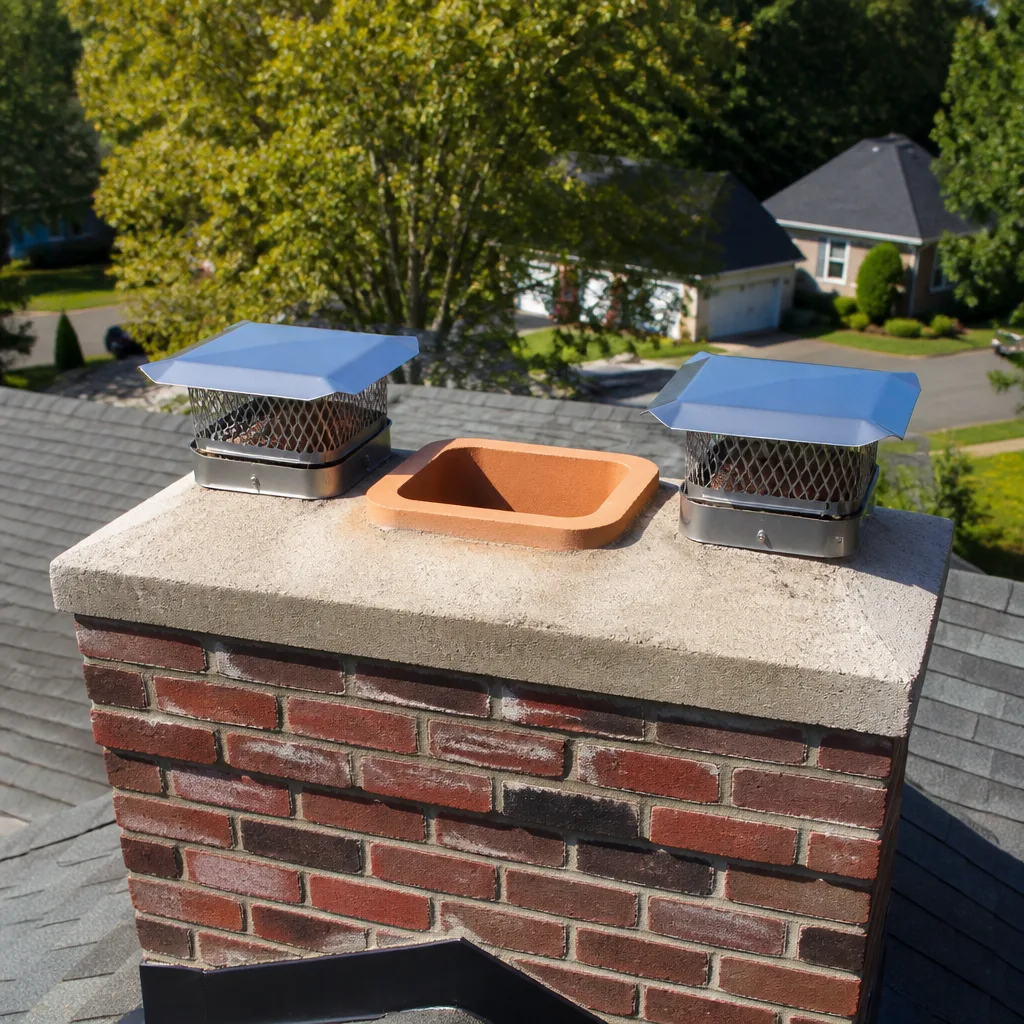
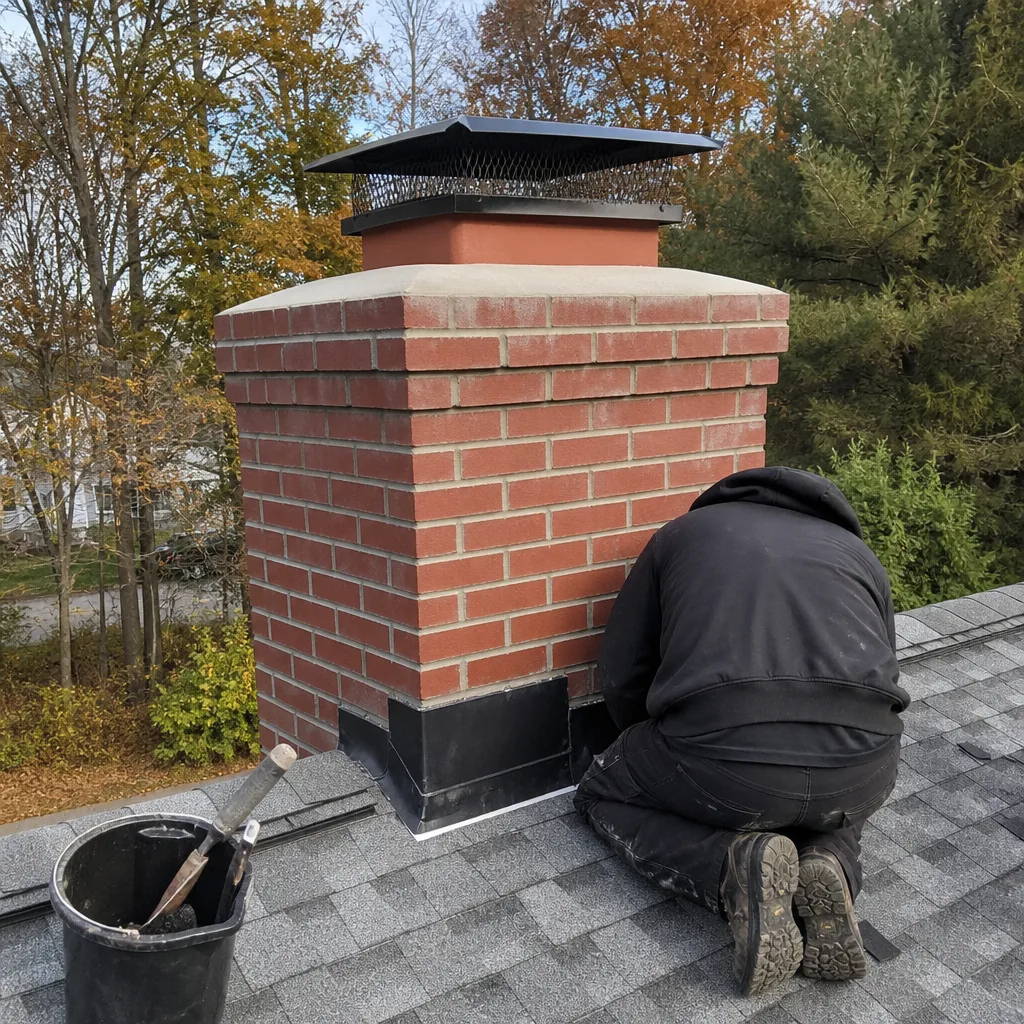
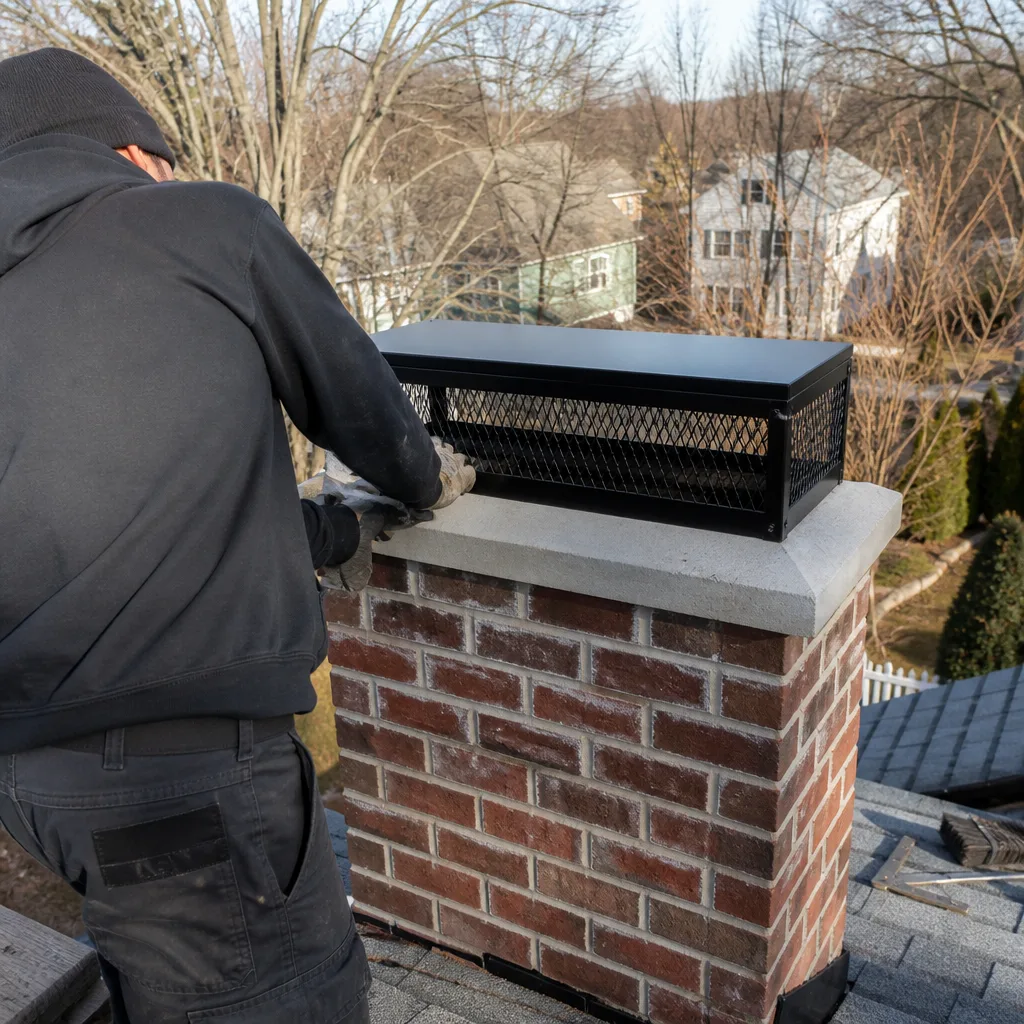
Level 1 sweep and inspection to the NFPA 211 annual standard - flue, crown, cap, and flashing checked and photographed
Chimney sweep logs do not sweep chimneys. They loosen some creosote - which then falls where a brush and vacuum still have to collect it.
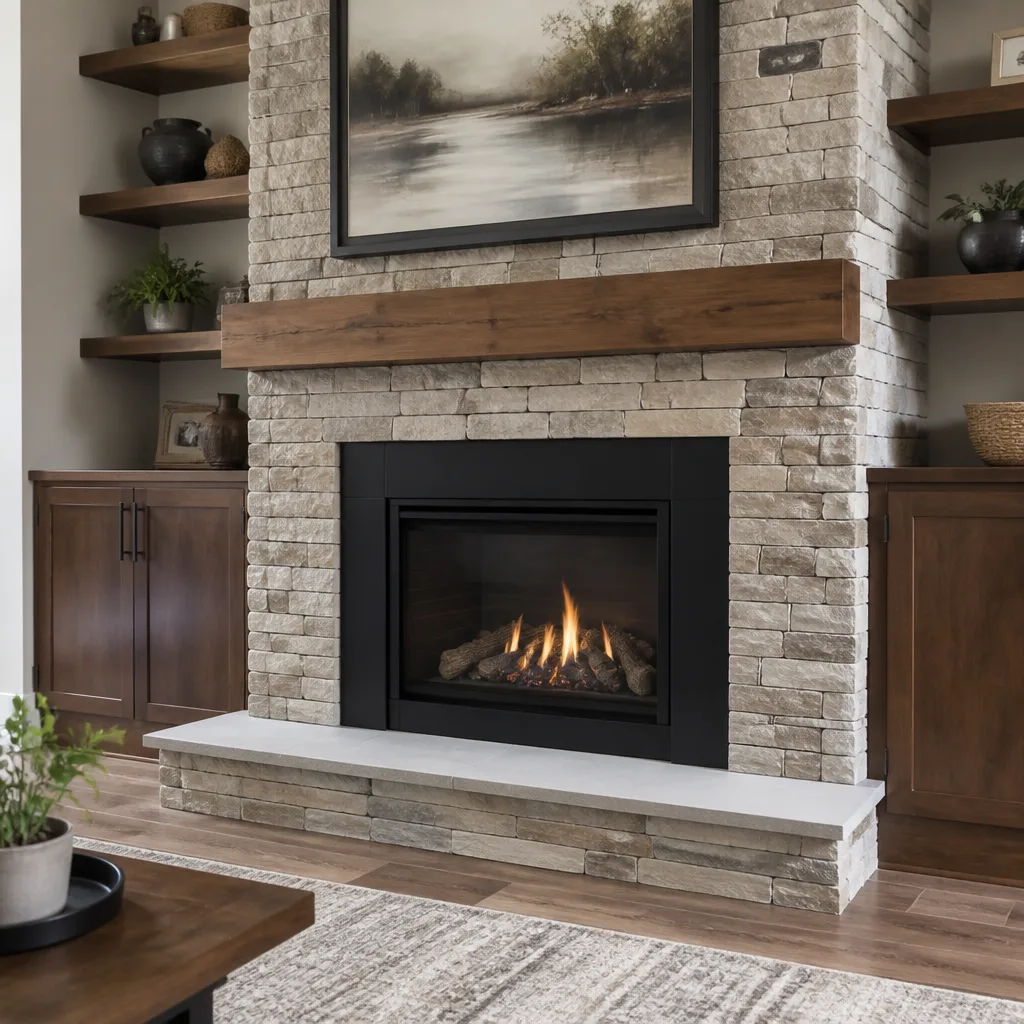
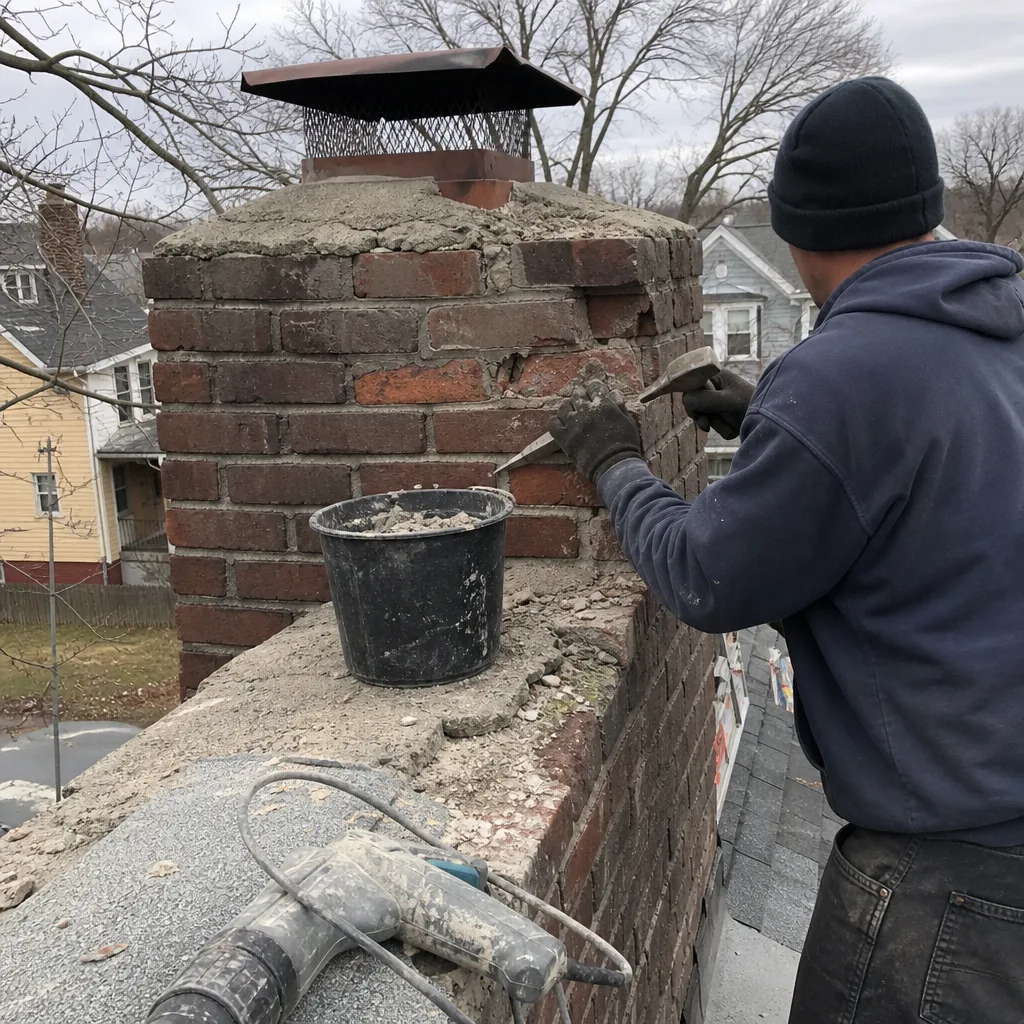 Before
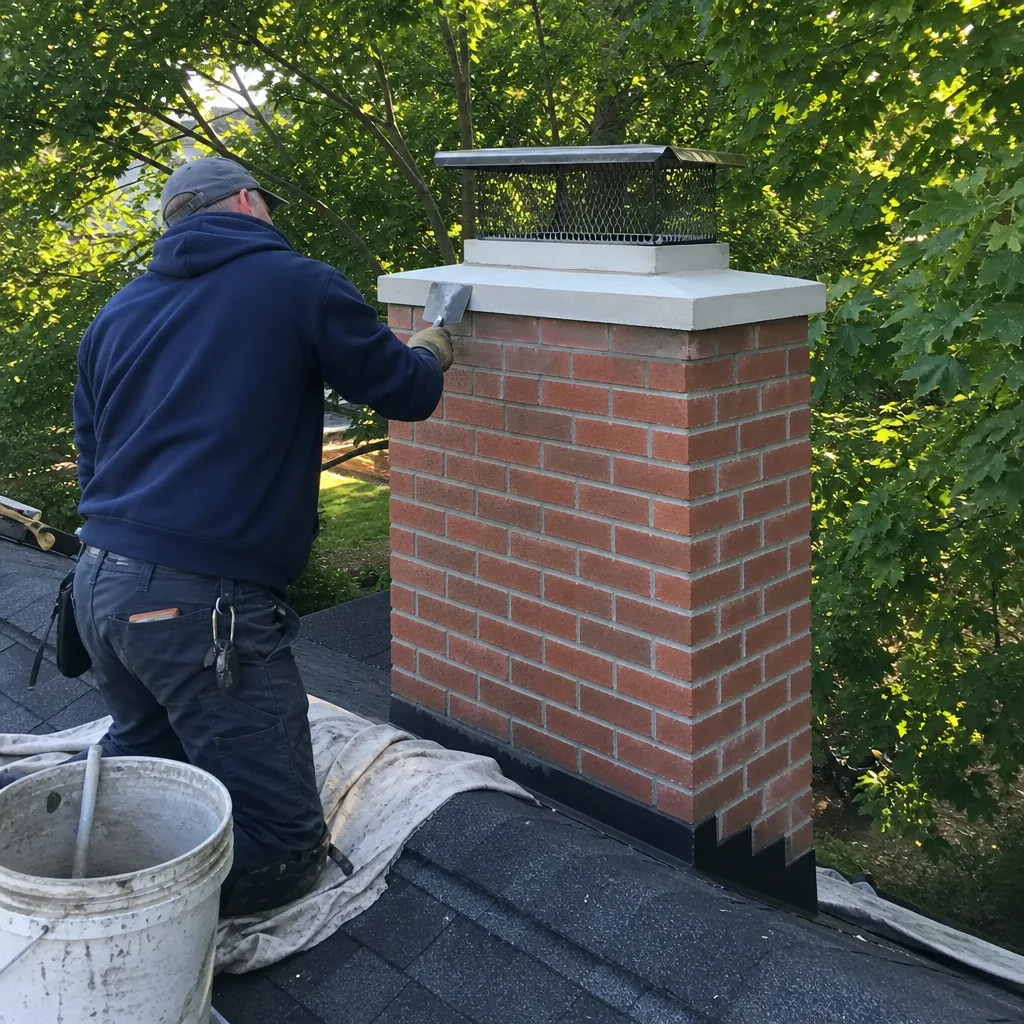 After
After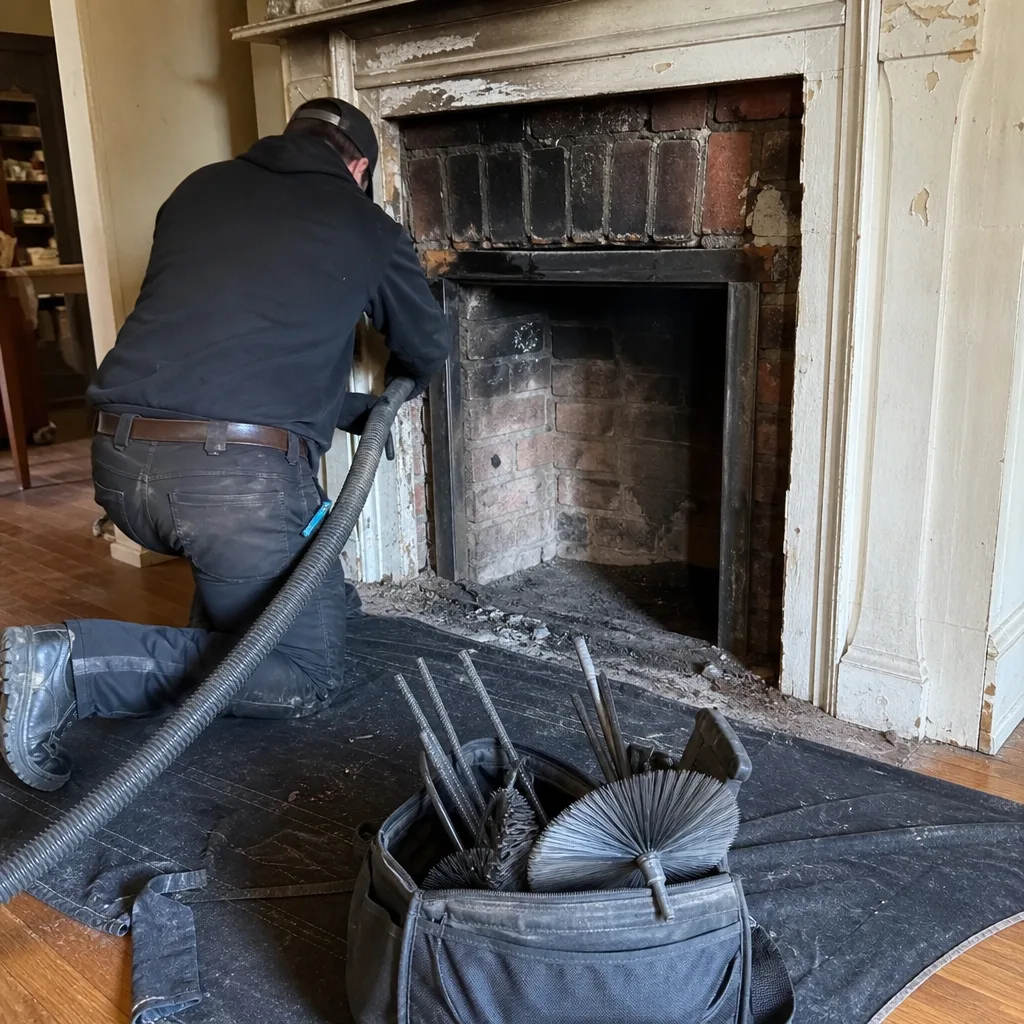 Before
 After
After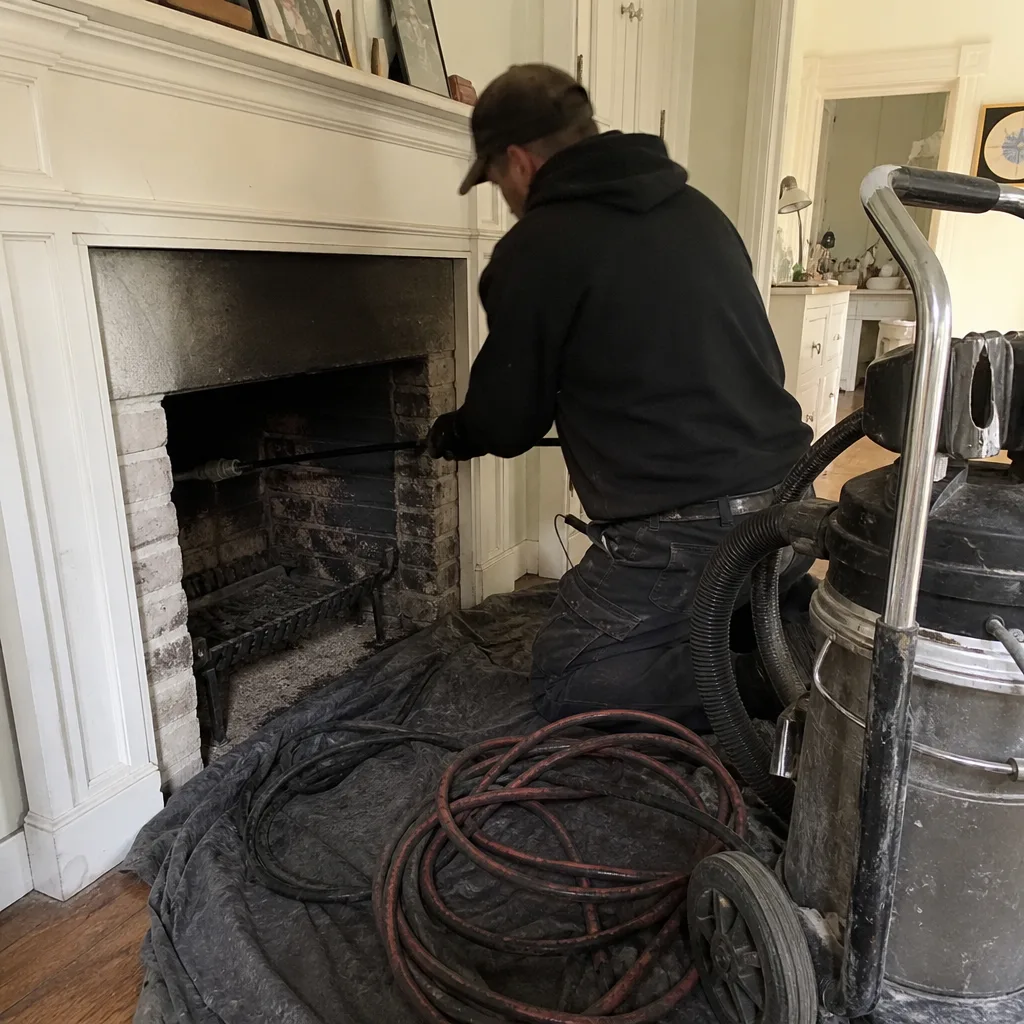 Before
 After
AfterSeasonal Chimney Cleaning Care for Norwood: Year-Round Homeowner’s Guide
Spring is when most chimney damage becomes visible, but the damage itself happened in February. Freeze-thaw cycles push water into tiny cracks in the crown and brick, and by the time you see a stain on the ceiling or smell something musty near the hearth, you’ve already missed the cheapest fix. This guide walks you through what each season actually does to a Norwood chimney, when to clean it, when to leave it alone, and how to spend less than 30 minutes a year on prevention. For more guides & resources, see our blog. Wendell Pike has been inside more Norwood flues than he can count since 1999, and he’ll tell you plainly when a job needs doing and when it doesn’t.
Quick Answer
In Norwood, the smart play is to sweep your chimney in late spring or early summer, not October. The best cleaning window is May through July, after burning season ends and before summer heat bakes soft creosote into a hard glaze that’s twice as expensive to remove. An annual inspection plus cleaning runs $189 to $340 in this market-see our Chimney Cleaning Cost Breakdown: The Norwood Homeowner’s Reference for 2026 for full details-and the off-season appointment is easier to book and often finds problems months before they’d otherwise show up.
Table of Contents
- What Each Season Actually Does to a Norwood Chimney
- The Optimal Cleaning Window for a Wood-Burning Fireplace in This Climate
- A Month-by-Month Task List That Takes Under 30 Minutes Total
- Winterizing a Chimney You Plan to Light Regularly
- Winterizing a Chimney You Won’t Use This Season
- Summer-Specific Risks: Why a Capped but Unused Chimney in July Still Needs a Check
- Common Mistakes to Avoid
- When to Call a Professional
- Frequently Asked Questions
- The Bottom Line
What Each Season Actually Does to a Norwood Chimney
Norwood sits in Norfolk County, where winters average 40-plus inches of snow and enough freeze-thaw cycles to crack pavement by March. Your chimney takes that same beating from the outside while the inside handles heat, smoke, and acidic creosote. Each season has its own signature damage. Knowing which one does what lets you act before the damage compounds.
Winter: Freeze-Thaw Spalling and Heavy Creosote Loading
Every time water seeps into the porous brick or the crown and freezes, it expands by about 9 percent. One cycle doesn’t do much. Fifty do. That’s a typical Norwood winter, and we see the result every spring: spalled brick faces, cracked crowns, and mortar joints that have turned to sand. Inside the flue, winter is when creosote builds fastest. Cold flue walls cause more condensation, which means more creosote per cord of wood, especially with a smoldering fire or unseasoned wood. The damage from winter is mostly invisible until spring, which is exactly why the spring inspection catches it cheap.
Spring: Moisture Intrusion and Animal Nesting
Snowmelt and spring rain work their way into every crack winter opened up. Water runs down the flue, soaks the firebox, and wicks into adjacent framing and drywall. That musty smell near the fireplace in April is water, not ghosts. Late spring is also when chimney swifts, squirrels, and raccoons look for a dark, quiet place. An uncapped or damaged flue is an open invitation. In Norwood, we get more animal calls in May and June than any other months combined, and a raccoon in a flue is a lot more than a nuisance: it blocks the draft, packs the smoke shelf with nesting material, and creates a fire hazard the first time you light a fire in fall.
Summer: Creosote Hardening and Hidden Leaks
Here’s the counterintuitive one. A chimney that sits unused all summer isn’t fine just because nothing is burning. Hot, humid Norfolk County air moves through the flue and bakes first- and second-degree creosote into a hard, shiny third-degree glaze. That glaze doesn’t brush off with a standard sweep; it usually requires a rotary chain whip or chemical treatment, and it costs more. Summer is also when a slow leak does the most structural damage because the warm air speeds up rot and mold in framing. The July thunderstorm dumping rain through a cracked crown will do more damage to the ceiling below than the same rain in February.
Fall: The Rush and the Missed Problems
Every year in Norwood, October arrives and half the town remembers their chimney hasn’t been touched since last winter. The phone rings off the hook, sweeps get booked weeks out, and homeowners end up either skipping the service or overpaying for a rushed job. The fall-specific risk is creosote that hardened over summer and a chimney that was damaged in winter, leaked through spring, baked all summer, and is now being asked to handle a fire. That’s a lot of accumulated problems to address in a single October service call, and sometimes they can’t all be fixed before the first cold snap.
For a full breakdown of how a professional sweep actually works, see our page on Chimney Cleaning & Sweep in Norwood.
The Optimal Cleaning Window for a Wood-Burning Fireplace in This Climate
Every chimney company in Massachusetts gets the same call starting in late September: “Can you come this week? We want to start burning.” The answer is usually yes, but the wait might be three weeks, and the creosote has had all summer to harden. The smarter window in this climate is May through July. Here’s why.
- Creosote is softest right after burning season. In May, even a season of buildup is still brushable. By August, it’s often a glaze that requires a rotary tool and costs $100 to $200 more to remove.
- Spring and early summer inspections catch winter damage before it leaks. A cracked crown found in May is a $200 to $400 fix. The same crack found in October after a summer of rain may have rotted a ceiling joist, and now you’re looking at a much bigger bill.
- You actually have time to address animal problems before the animals get established. Installing a proper cap or repairing a damaged flue in June prevents the raccoon family from moving in by August.
- All the evidence from burning season is still fresh. We can see exactly how the flue behaved through the winter: creosote patterns, water streaks, soot distribution. That gives a much more useful report than looking at a flue that’s been dormant for six months.
On pricing: a standard chimney sweeping in Norwood typically runs $189 to $340 for a single flue, depending on height, access, and how much creosote has built up. A Level 2 camera inspection, which we recommend every couple of years or whenever a property changes hands, adds $129 to $199. Replacing a damaged chimney cap runs $125 to $300 installed, and a crown repair starts around $220. If the sweep finds third-degree creosote, expect the rotary cleaning to add $150 to $250. These are honest numbers for this market: if someone quotes you $79 over the phone and then shows up and says it’ll be $500, that’s a sales script, not a cleaning.
If you’re in Norwood and want the work done before the fall rush, call us in May or June. We answer the phone live, and you’ll get a straight price before a single tool comes off the truck. See Top Hat Chimney home for more about how we work.
A Month-by-Month Task List That Takes Under 30 Minutes Total
This is the whole year, compressed. Not a single task here takes more than ten minutes, and most take two. Add them up and you’re spending less than half an hour annually to prevent the majority of expensive chimney problems in Norwood.
- April (10 minutes): Walk around the house and look at the chimney from the ground. Use binoculars if you have them. You’re looking for cracks in the crown, missing brick faces, rusted flashing, or a leaning chimney. If you see anything suspicious, call for an inspection. That’s it.
- May (10 minutes): Shine a flashlight up into the firebox from below with the damper open. Look for flakes of creosote, water staining, or debris. If you see more than an eighth-inch of crusty buildup, book a sweep. Then check that the damper opens and closes smoothly.
- June (5 minutes): Check the cap. From the ground, look for a properly seated cap with no visible gaps. If you can’t see it or there isn’t one, flag it. A missing cap is how most animal problems and rain damage start.
- July (5 minutes): After a heavy thunderstorm, put your hand against the wall around the fireplace. If it feels damp or you smell mustiness, you have a leak. Do not wait until fall.
- September (5 minutes): Open the damper and check for fall obstructions before the burning season starts, especially if you don’t have a cap. Squirrels, leaves, and bird nests all happen in August and September.
- December (5 minutes): Mid-season reality check: if your fires are smoky, the room smells like smoke after the fire dies, or you see glossy black buildup when you shine a light up the flue, you may need a mid-season sweep. Burning wet or unseasoned wood accelerates creosote fast.
That’s the list. Less than 30 minutes a year. The two tasks that actually matter most are April and May: catch the freeze-thaw damage while it’s still a crack, not a leak, and brush the soft creosote before summer bakes it into glaze.
Winterizing a Chimney You Plan to Light Regularly
If you’ll be burning wood this winter, “winterizing” means two things: making sure the flue is clean enough to burn safely, and making sure the system can handle the workload. Here’s the step-by-step for a Norwood wood-burning fireplace.
- Get the flue swept and inspected before the first fire. Aim for a completed service by early October at the latest, or do it in May and don’t worry about fall. One cord of seasoned hardwood per season in a properly functioning fireplace usually means one sweep per year is enough. Burning more than two cords, burning softwoods, or using the fireplace as a primary heat source may mean two sweeps.
- Check the wood supply. Wood for this winter should have been split and stacked in the spring, covered on top, and left open on the sides. In Norwood, where summer humidity is high, starting to season wood in October is already too late: you’ll be burning 30 to 40 percent moisture, which means more creosote and less heat.
- Test the damper before the first fire. Open it fully, poke your head under the firebox, and look up. You should see daylight. If the damper doesn’t seat properly when closed, warm house air will funnel up the chimney all winter and your heating bill will climb.
- Check the cap and flashing. A secured cap keeps rain and snow out of the flue. Loose or corroded flashing around the roofline lets water behind the chimney and into the attic.
- Burn hot and clean. Small, hot fires produce less creosote than long, slow smolders. Keep the glass doors open if you have them, or use a screen, and aim for bright, active flames over a low, lazy one.
If you already use your fireplace and the Fireplace Services in Norwood page is a good reference for what a full service visit looks like, including damper replacement and glass door repair.
Winterizing a Chimney You Won’t Use This Season
An unused chimney still needs attention before winter. It doesn’t need a sweep if it was cleaned after its last use and there’s been no animal activity, but it does need to be protected from water, animals, and house heat loss. An open damper on an unused fireplace is effectively a hole in your roof for warm air to escape through.
- Close and seal the damper. If the damper doesn’t close tightly, consider a top-sealing damper or a chimney balloon. Both keep conditioned air from pouring up the flue all winter. A leaky damper can easily cost $10 to $30 a month in extra heating in a Norwood winter.
- Inspect the cap before the first snow. This is the critical one for unused chimneys. No fire means no heat cycling to deter animals, no draft to evaporate moisture, and no regular visual check. A robust cap with side screens kept animals out and rain off the smoke shelf.
- Check the crown. An unused chimney is more likely to have an unnoticed crown crack that’s been slowly admitting water. Water that sits in a dark, closed flue turns the smoke chamber into a musty, rust-prone box by spring.
- If you do nothing else, do this: once a month, put your hand on the fireplace face. If it feels cold but dry, fine. If you feel dampness or smell something earthy, open the damper and shine a light up; you may have water or an animal.
And let’s be straight about one thing: a chimney you don’t use still ages. Wind, rain, snow, and animals don’t care that you’re not burning. In our experience in Norfolk County, unused chimneys often need more structural repair than used ones because no one ever looks at them. If it’s been more than two years since anyone looked at the flue, have it checked before winter, even if you never light a fire.
Summer-Specific Risks: Why a Capped but Unused Chimney in July Still Needs a Check
Most Norwood homeowners figure a chimney that isn’t being used is a chimney that needs nothing. That logic might work for a shed, but not for a masonry structure exposed to the weather 24 hours a day. Summer brings three distinct risks for an unused, even a properly capped, chimney.
First, creosote aging. If you burned wood all winter and didn’t sweep in spring, the creosote in your flue is now sitting in a warm, humid flue. Through July and August, volatile compounds evaporate out of it, leaving behind the tarry, hard residue that doesn’t brush off. What would have been a $189 sweep in May becomes a $350 rotary cleaning in September. The cap doesn’t matter; this happens with or without one.
Second, thunderstorms and water. A cap keeps rain from falling straight down the flue, but it doesn’t stop wind-driven rain from entering through the cap screens, and it does nothing for water entering through a compromised crown or flashing. After the big Norwood thunderstorms in July and August, we get calls about water stains around the fireplace from homeowners who assumed their cap made them watertight. The cap is one layer of protection, not a substitute for intact masonry.
Third, wasps and hornets. A capped and unused flue is an enclosed, dry, protected space. Perfect for a wasp nest. We see them in cap screens and just below the rain shield all summer, and they can block the draft or come swirling into the house when you light the first fall fire. A quick visual check in July, from the ground with binoculars, is enough to catch most of these.
Check your chimney once in July. It takes five minutes. If anything looks off, call a sweep while the weather’s warm and the fixing is easiest. If you’re not sure what to look for, see our guide to Chimney Repair in Norwood for common failure points.
Common Mistakes to Avoid
- Waiting until October to schedule a sweep. In Norwood, the fall rush starts in September. By the time you call in October, you’ll wait two to four weeks, and the creosote has had all summer to harden. Book in May or June instead.
- Assuming a cap makes the chimney waterproof. A cap only prevents direct rain entry from above. Water also enters through crown cracks, defective flashing, and porous brick. If you see a water stain, the cap is where you start looking, not where you stop.
- Burning unseasoned wood because “that’s what I’ve always done.” Green wood produces dramatically more creosote and less heat. Wood needs six to twelve months of drying in this climate. Start next year’s pile in February.
- Ignoring the damper in the summer. An unused fireplace with a leaky damper costs real money in air conditioning losses through the summer and heat loss through the winter. A failed damper is a relatively small repair that silently pays for itself.
- Skipping the annual inspection because “we only use it occasionally.” A chimney that’s lit once a year still has a flue full of creosote and a crown exposed to every freeze-thaw cycle. “Occasional use” doesn’t pause the weather.
- Trusting a phone quote without an inspection. No honest sweep can price a cleaning accurately without seeing the flue. If someone quotes you a flat $79 over the phone and doesn’t ask a single question about your chimney, the number will change at the door.
- Delaying a repair because it’s not burning season. The cheapest time to fix a chimney problem in Norwood is the moment you find it. A small crown crack found in April is a different job than the same crack found in December after ice has been working on it.
When to Call a Professional
Call a professional sweep if you see flaking creosote more than a quarter-inch thick, glossy black tar in the flue, water stains on the walls or ceiling near the fireplace, a rusted damper or firebox, or any sign of animals (sounds, droppings, nesting material). Also call if your fireplace smokes into the room, you smell smoke after the fire is out, or it’s been more than two years since the last inspection. For details on local requirements, see Chimney Cleaning Permits, Codes & Inspections in MA: What You Need to Know. These aren’t cosmetic issues; they’re how Norwood chimney fires and carbon monoxide problems start. If you’re in the area, Top Hat Chimney offers free estimates in Norwood, call (508) 687-5884 and Wendell or a member of the crew will give you a straight answer.
Frequently Asked Questions
A standard chimney sweeping in Norwood typically runs $189 to $340 for a single flue, depending on height, access, and creosote volume. A camera inspection adds $129 to $199. Third-degree creosote requiring rotary cleaning adds $150 to $250. These are the honest numbers for this market; if a phone quote sounds too cheap to be real, the number will change at the door. Call (508) 687-5884 for an exact quote, and you’ll get the price before anyone comes out.
Once a year if you burn wood in any quantity, burn or no burn. The National Fire Protection Association says chimneys should be inspected annually and cleaned when buildup reaches a quarter-inch, and for most wood-burning Norwood homes that works out to a yearly sweep. Burn soft or green wood, or more than two cords a season, and you may need a mid-season sweep.
Sometimes, but never take that word from a company that hasn’t shown you camera footage. A cracked or deteriorating clay liner can be a genuine safety issue, but it also gets oversold as an add-on. Before anyone recommends a liner rebuild or a product like HeatShield resurfacing, they should be able to show you the damage on camera and explain exactly why it can’t wait. If they won’t show you the footage, get a second opinion. We do those free.
Creosote accumulates. First-degree creosote is a brush job. Third-degree is a glaze. Catch it early. Once it’s heavy enough, it becomes the fuel source for a chimney fire, which can crack the flue, damage the masonry, and in the worst case spread to the house. It also blocks the draft, so smoke and carbon monoxide push back into the room instead of up the flue. The annual cleaning is cheap insurance against a problem that only announces itself after it’s serious.
They can if the cap is damaged, installed incorrectly, or missing side screens. Squirrels and raccoons are surprisingly strong and will pry at a loose cap until it gives. If you hear scratching or chirping from the chimney, don’t light a fire to smoke it out; call a sweep who can remove the animal and repair the cap properly.
Late spring, between late April and early June. The burning season is over, creosote is still soft enough to brush easily, and the freeze-thaw damage from winter is visible before it leaks through summer rains. You’ll also avoid the October rush. Call (508) 687-5884 in May and we can usually get you scheduled within a few days.
The Bottom Line
A Norwood chimney moves through four seasons of different risks: winter freeze-thaw cracking, spring water and animal intrusion, summer creosote hardening, and fall demand-driven neglect. The homeowner who understands that rhythm sweeps in May, checks the cap in July, tests the damper in September, and burns seasoned wood in December. That’s less than 30 minutes of active attention a year to prevent the majority of expensive repairs. If you’ve got questions or want a straight answer about your chimney, call Top Hat Chimney at (508) 687-5884. We’ll send someone who knows Norwood because we live here.
Written by Wendell Pike, Owner at Top Hat Chimney, serving Norwood since 1999.