
Level 1 sweep and inspection to the NFPA 211 annual standard - flue, crown, cap, and flashing checked and photographed
Chimney sweep logs do not sweep chimneys. They loosen some creosote - which then falls where a brush and vacuum still have to collect it.
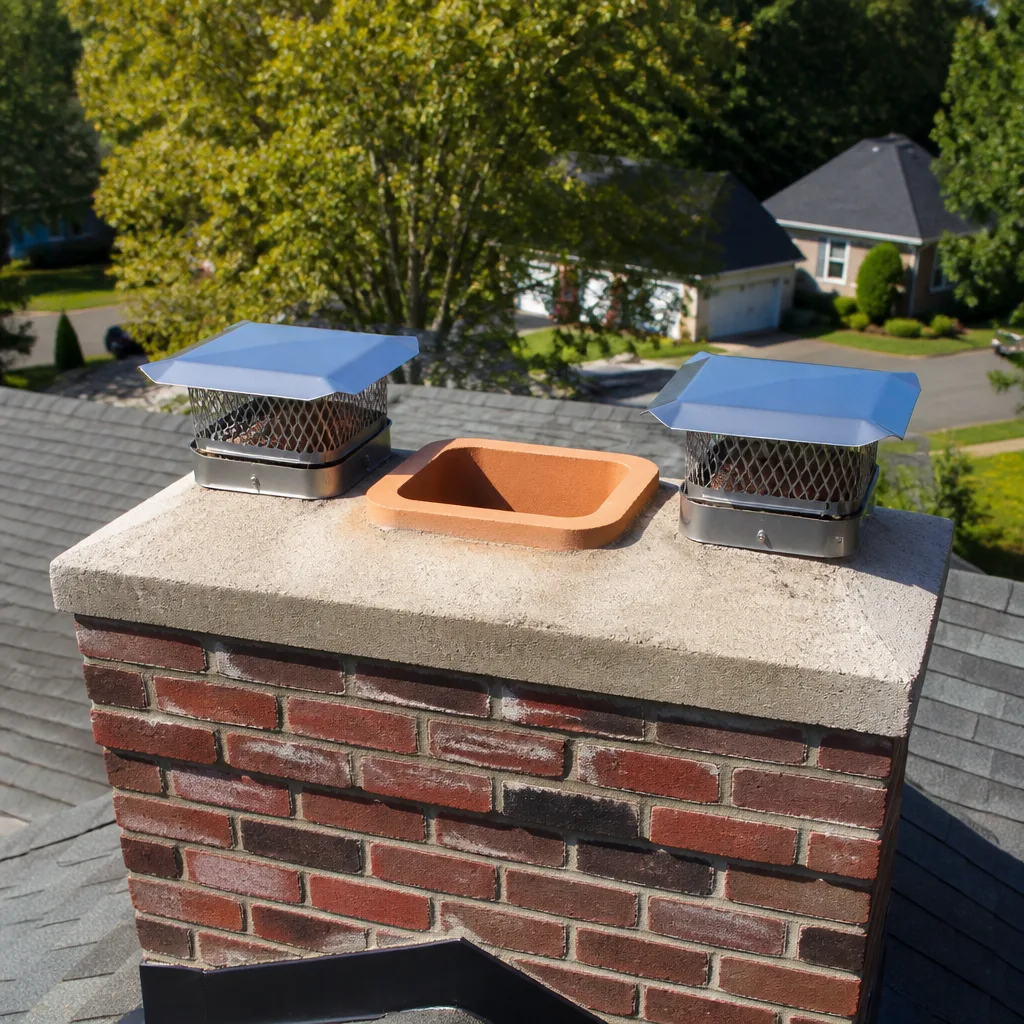
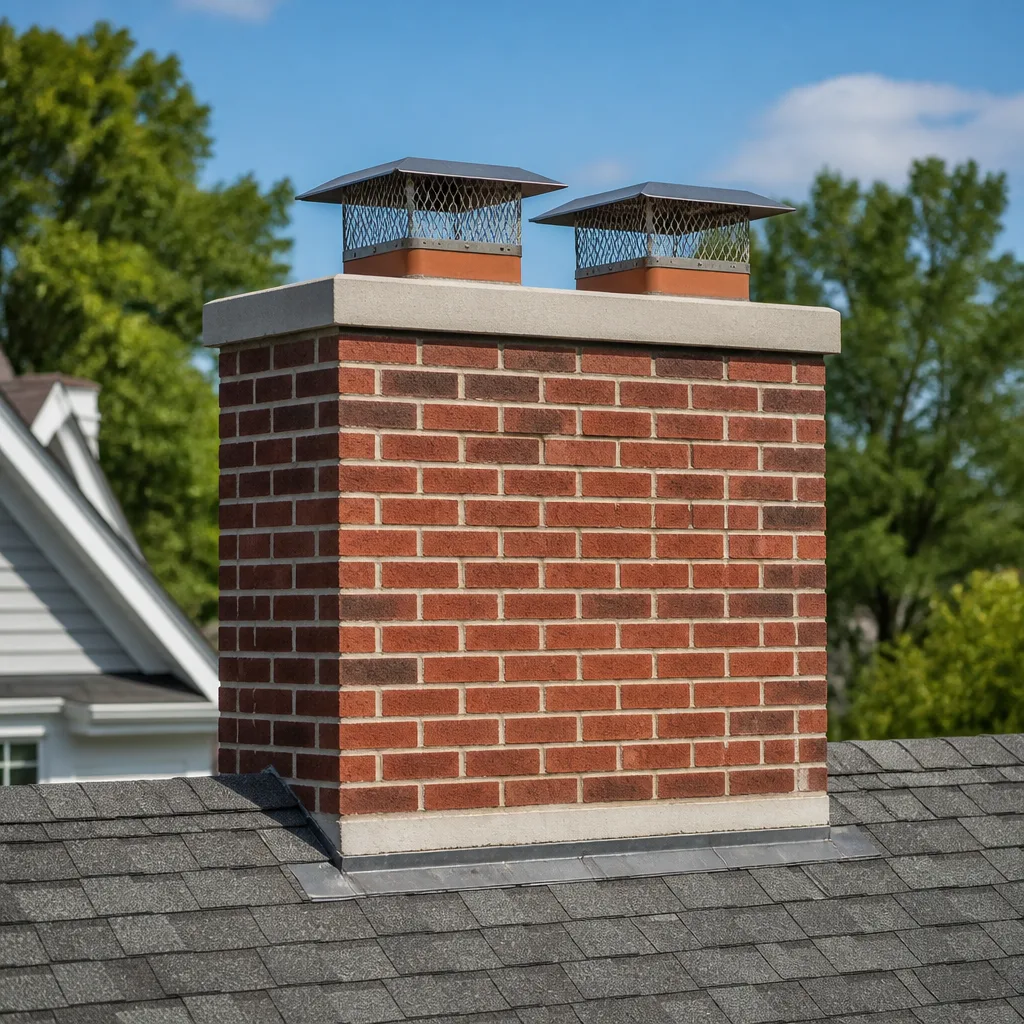
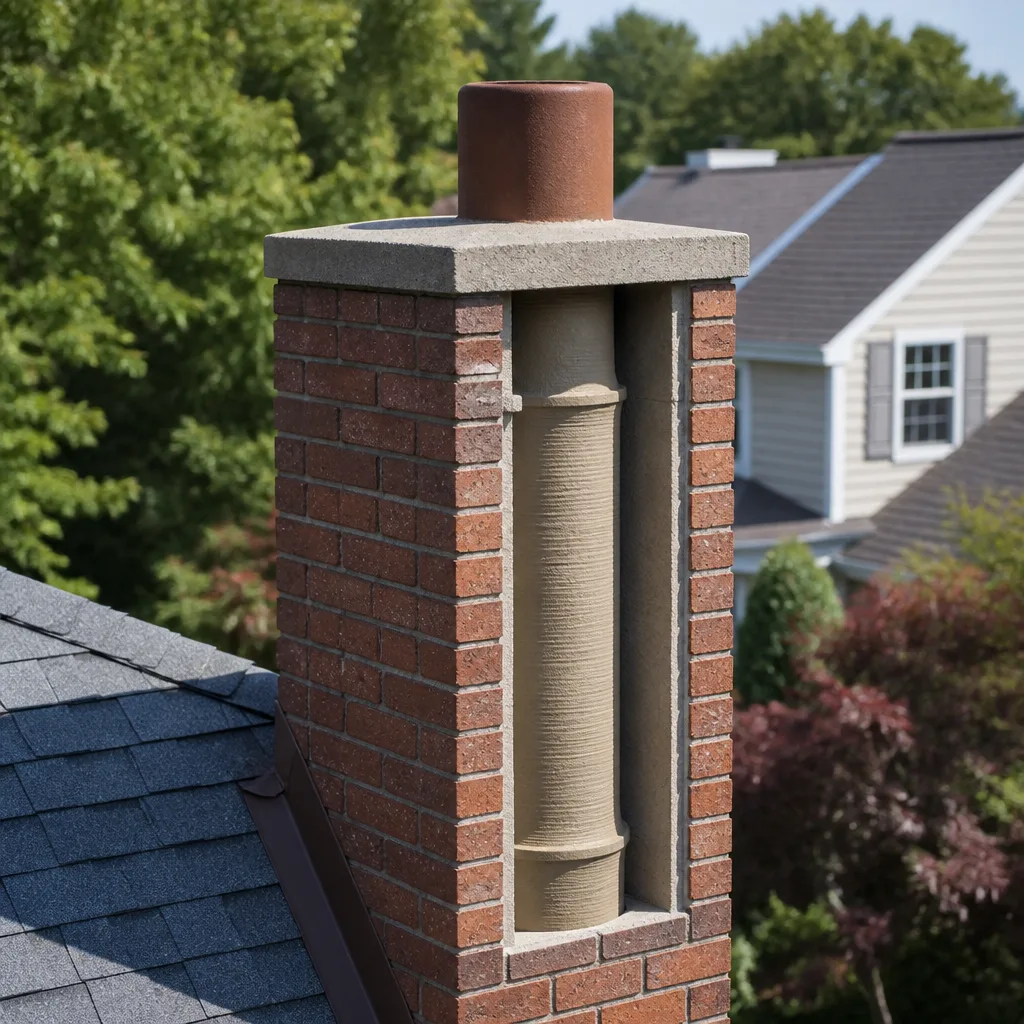
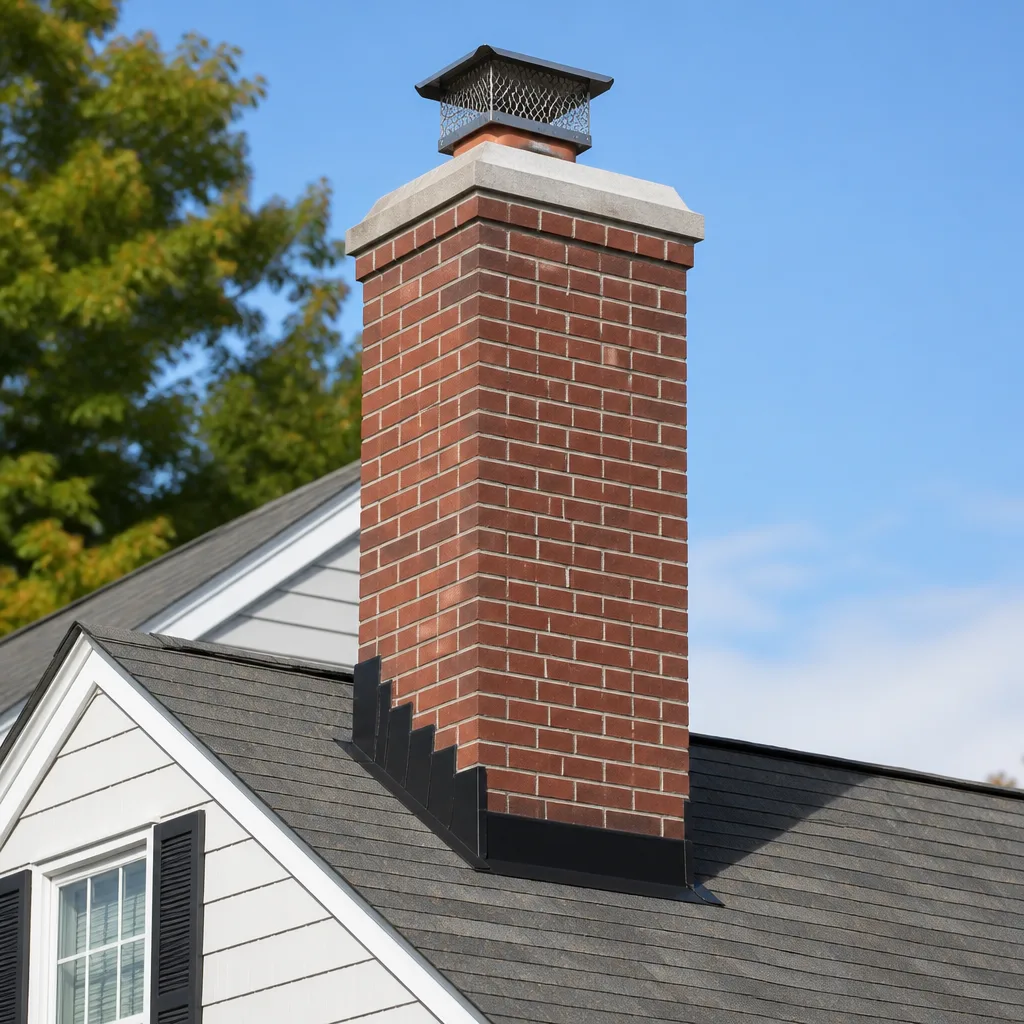
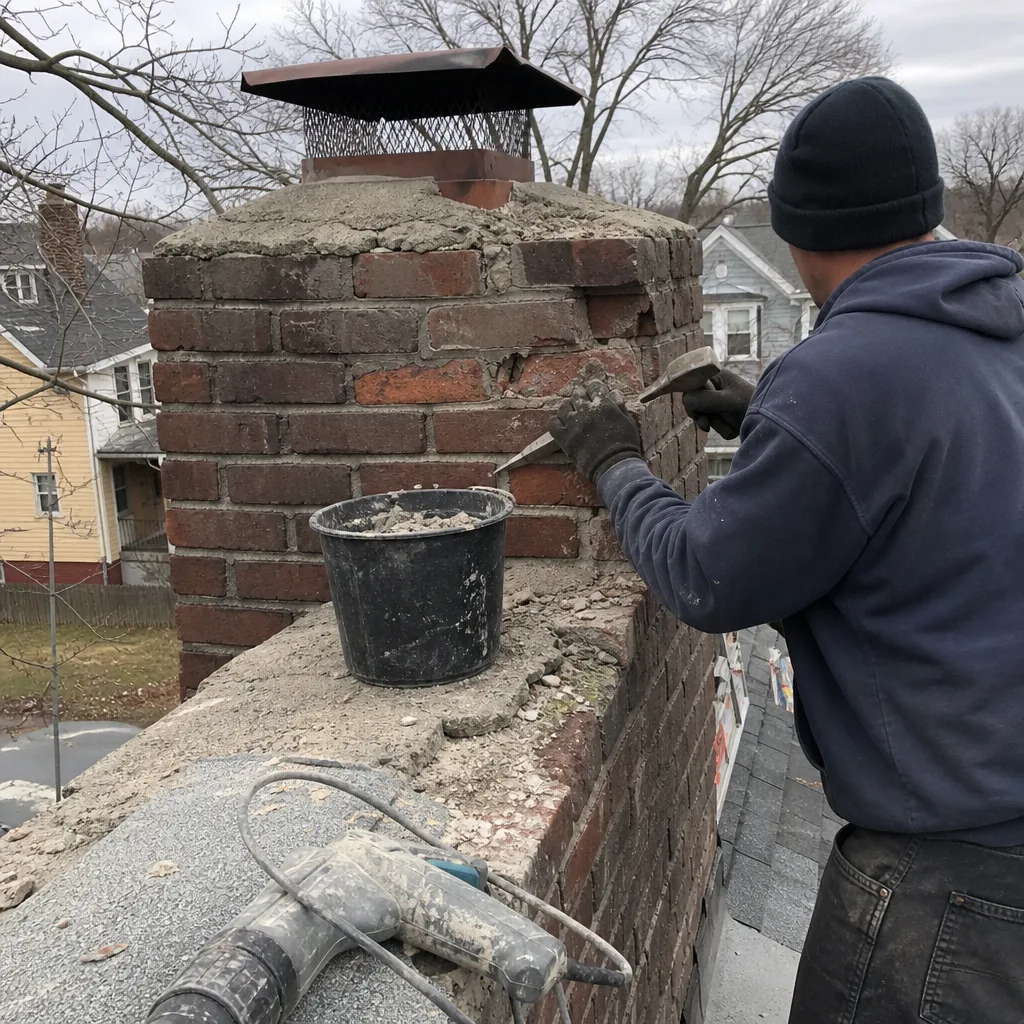 Before
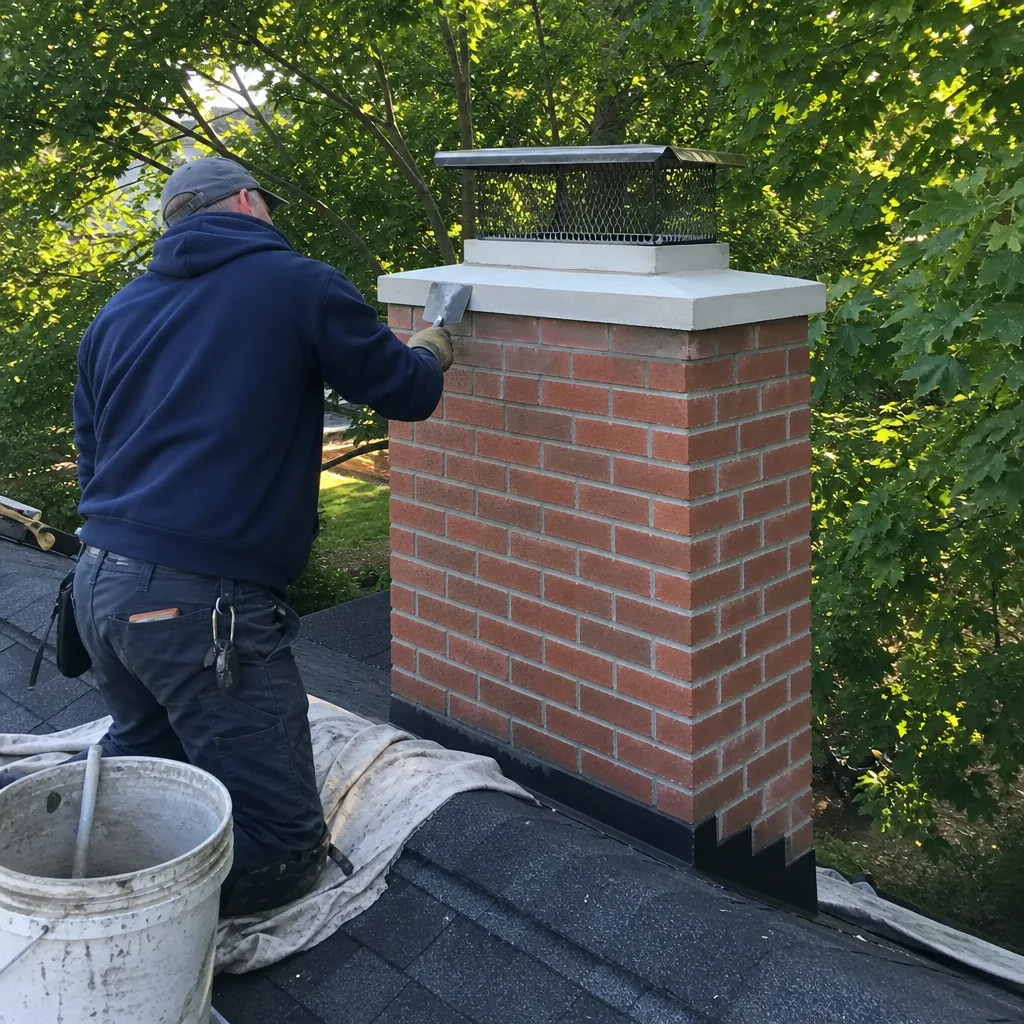 After
After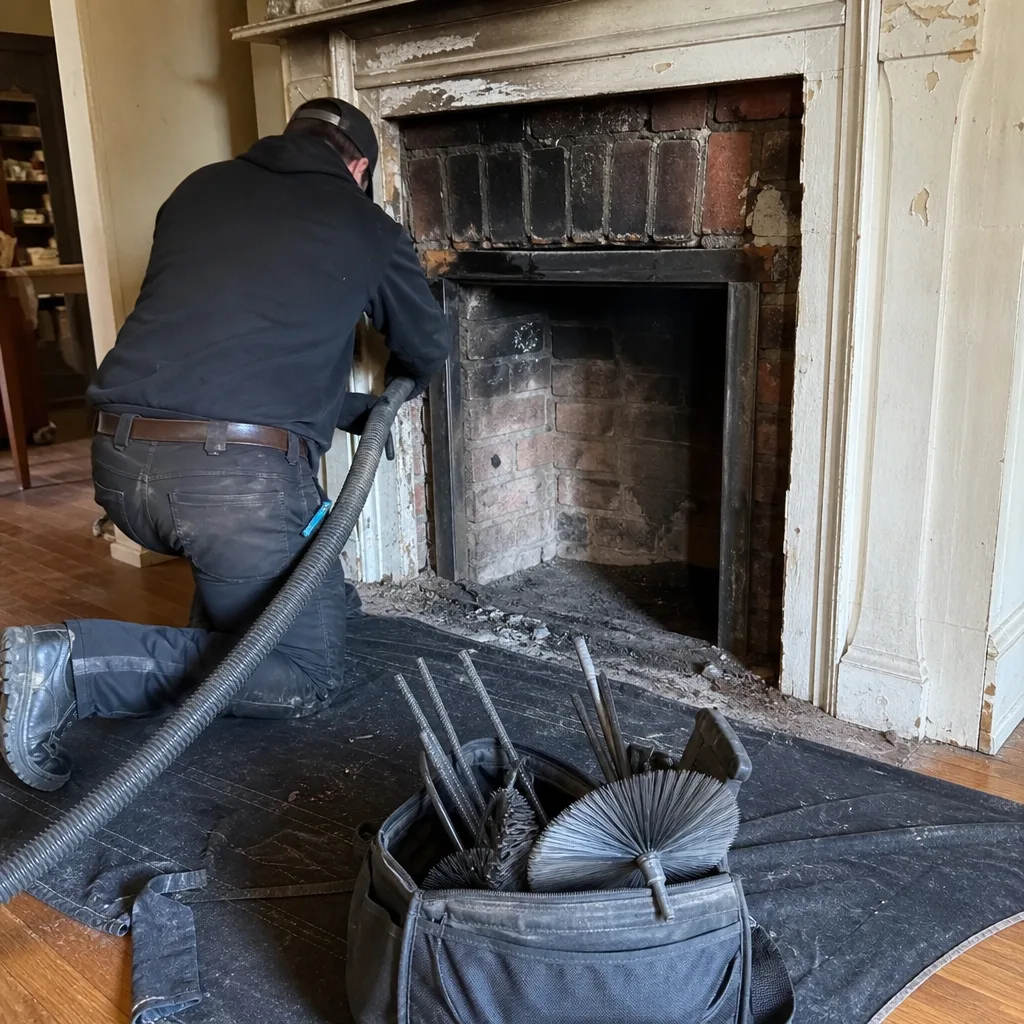 Before
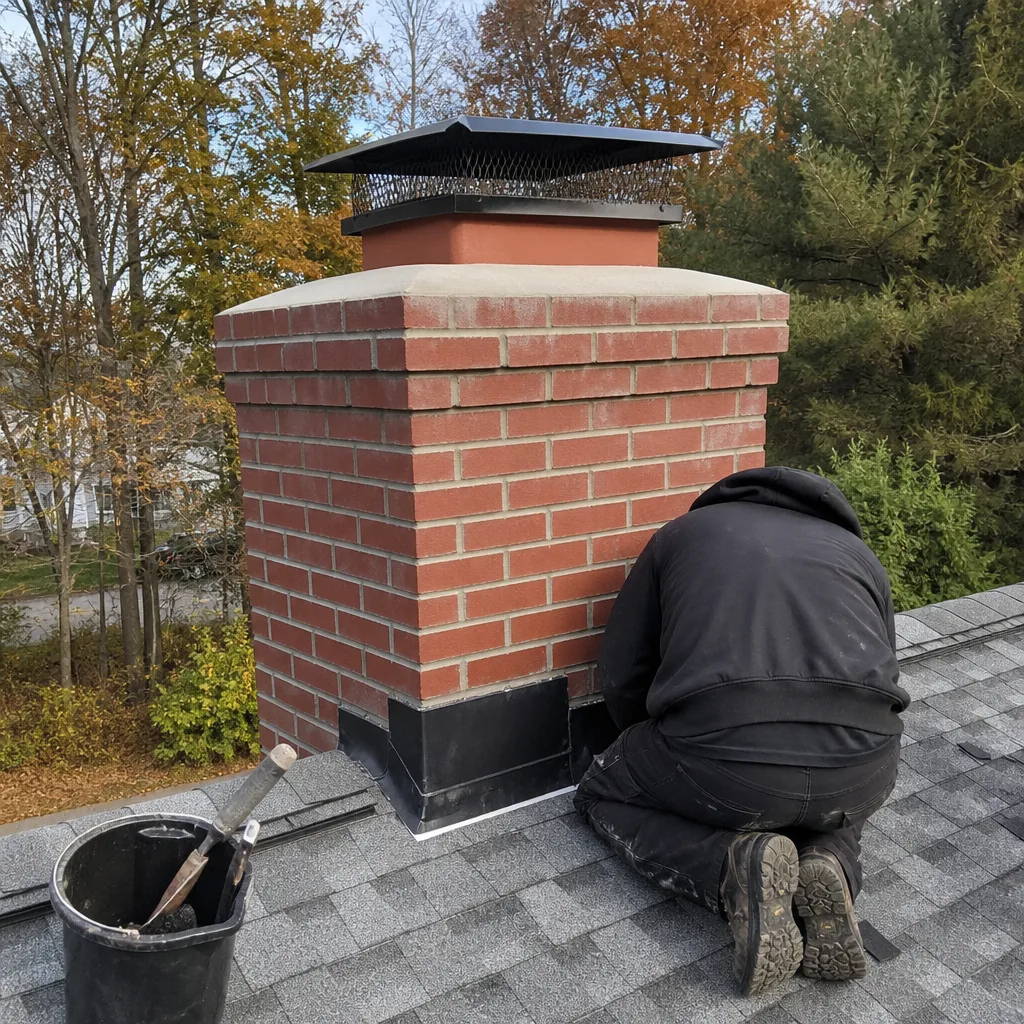 After
After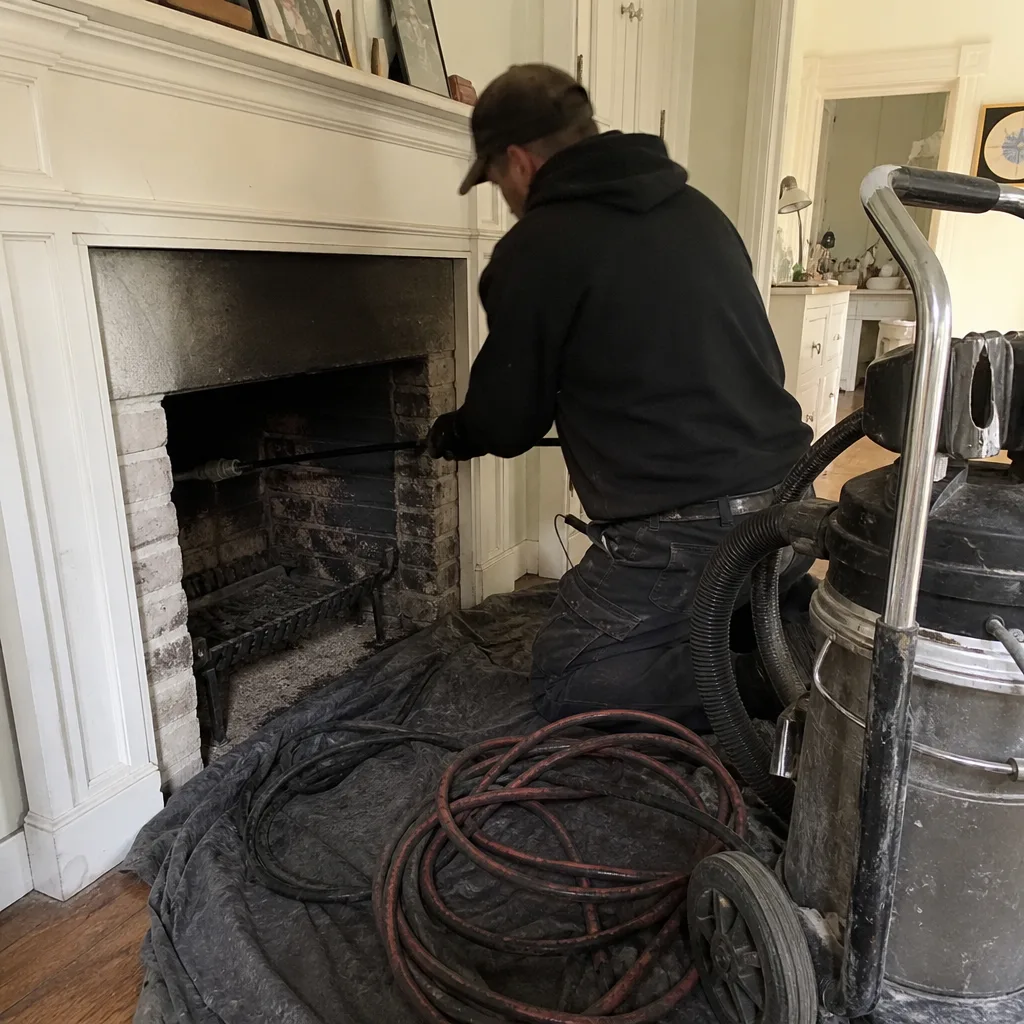 Before
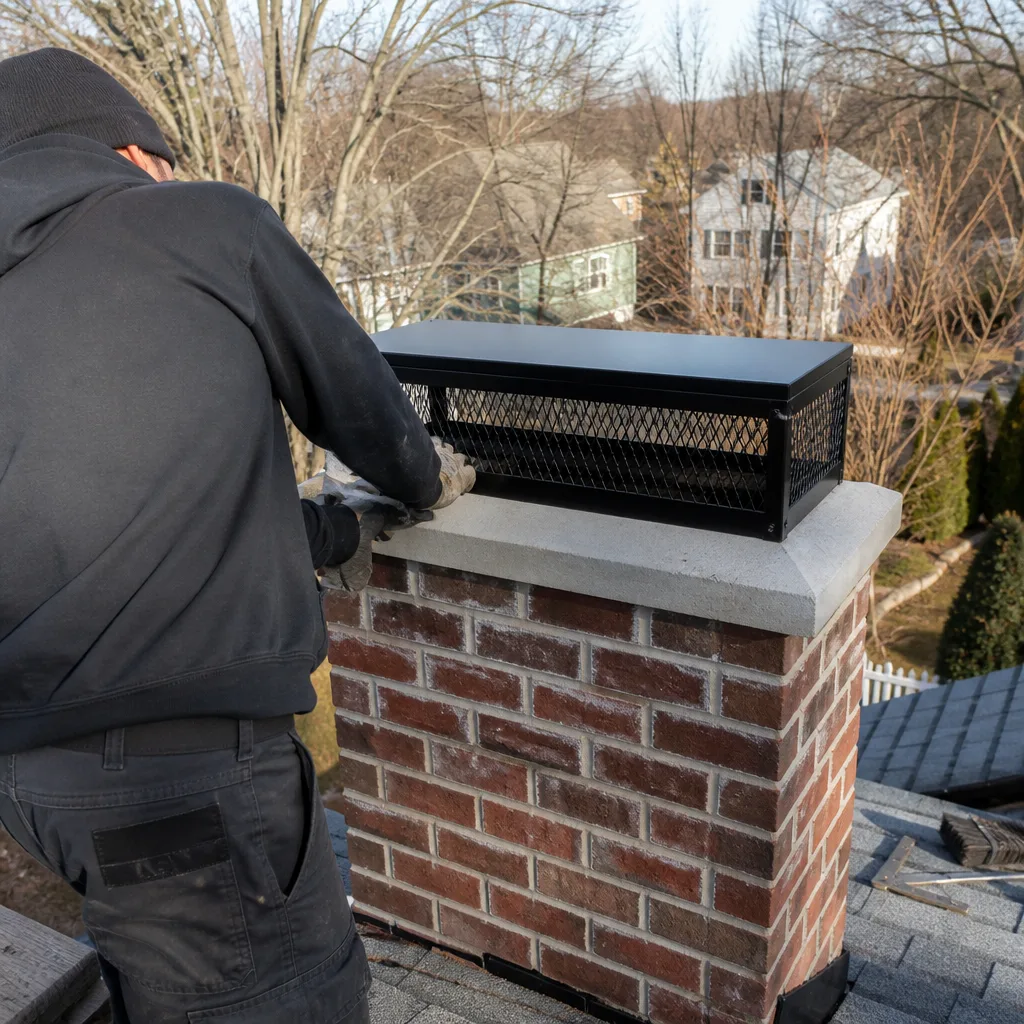 After
AfterDuraFlex Crown Repair: The Norwood Owner’s Guide
DuraFlex crown repair in Norwood typically runs between $220 and $480 installed, depending on how much of the existing crown is salvageable and whether we’re doing a full recast or a resurfacing job. We stock DuraFlex-compatible crown materials on the truck, so most Norwood homes get this done in a single visit. You usually find out the crown has failed the hard way: water staining on the ceiling near the flue, a musty smell after rain, or a chunk of mortar you found in the yard after a nor’easter blew through. The crown is the concrete cap on top of the chimney that keeps water from working its way into the brick and flue. When it cracks, water doesn’t just sit there. It freezes. And in Norwood, where we get real freeze-thaw cycles from November through March, a small crack becomes a spalled-off corner by spring.
Which DuraFlex Models This Applies To
DuraFlex crown repair isn’t tied to one specific liner model. The crown sits atop the masonry, independent of whatever stainless liner runs inside the flue. So whether you have a DuraFlex 316L liner, an aluminum DuraFlex liner, or one of their Pro Series kits, the crown repair process is the same: we assess the existing crown, determine whether it needs resurfacing or full removal and recast, and match the repair to your chimney’s dimensions. What matters for DuraFlex compatibility is the termination point. DuraFlex systems typically terminate with either a top plate or a rain cap, and the crown must leave proper clearance around that termination so water drains away from the liner connection, not toward it. One gotcha we see regularly in Norwood: older crowns were poured directly against the flue tile with no expansion gap. When the liner was later added, the crown was already cracked at that junction, and no amount of caulk fixes it. The crown has to be isolated from the flue with a bond break, or it splits again within two seasons.
On the OEM versus aftermarket question: DuraFlex doesn’t manufacture crown materials themselves. Crown repair is a masonry job, not a manufactured part swap. What we do stock is DuraFlex-compatible top plates, collars, and storm collars for the liner termination, along with the proper crown mix, bonding agents, and sealants rated for the freeze-thaw cycling we get here. We also keep HeatShield and Gelco products on hand for cases where the crown failure has extended down into the flue joint, which happens more often than most homeowners realize. The decision you’re actually making isn’t OEM versus generic. It’s whether the person doing the work knows how to tie the crown into your specific liner termination so water never finds its way back in.
Signs Your DuraFlex Crown Repair Is Failing
- Water staining on the ceiling near the fireplace or flue chase. This is the classic late-stage symptom. By the time water shows up inside the house, the crown has been letting moisture into the masonry for a while, and you’re seeing the cumulative result. The water travels down the outside of the flue, pools at the smoke shelf, and eventually bleeds through drywall.
- Mortar chunks or concrete pieces in the yard or on the roof. Freeze-thaw cycling in Norwood pops small sections of crown loose every winter. If you’re finding gravel-sized concrete bits below the chimney after a thaw, the crown is actively spalling and losing its ability to shed water away from the flue.
- Visible cracks wider than a quarter inch across the crown surface. Hairline cracks are normal on older crowns and aren’t automatically a failure. A quarter-inch crack is a different problem: water gets in, freezes, and widens it every season. We flag anything that wide during a sweep as a repair item, not a watch item.
- Rust streaks on the outside of the chimney below the crown. This means water is getting through the crown and hitting the rebar or brick ties inside the masonry. The rust bleeds out through the brick face. It’s not cosmetic. It tells you the internal structure is slowly oxidizing, and the crown is the entry point.
- Efflorescence, the white chalky deposit on the brick near the top. That white powder is salt being pushed out of the brick as water moves through it and evaporates. It’s the earliest visible sign that the crown isn’t doing its job. We see it constantly on older Capes and colonials in Norwood, particularly homes within a mile or two of the Memorial Airport corridor where the chimney gets full wind exposure.
Replacement Cost & What’s Included
For Norwood homes, a DuraFlex-compatible crown repair lands between $220 and $480 installed. The low end covers a resurfacing job: we clean the existing crown, fill hairline cracks with a flexible sealant, and recoat with a proper crown mix. The high end is a full recast: demolition of the failed crown, forming and pouring a new one with a proper drip edge and expansion gap, then reinstalling and re-securing the DuraFlex termination. Most homes fall in the middle, around $300 to $380, because by the time we’re called the crown is beyond a simple recoat but the masonry underneath is still sound.
Here’s what matters about how we price it. The number Wendell gives you on the phone is the number on the invoice. We don’t quote a lowball and discover “additional damage” after we’ve started. If the crown has failed badly enough that water has compromised the top courses of brick, we’ll tell you before we do anything, show you photos, and give you a separate price for that work. You decide. Our standing offer is $40 off any repair over $200, and every crown repair carries our 90-Day Done Right Promise: if it’s not right, one call brings the crew back, no charge.
DIY or Call Us?
You can safely inspect your crown from the ground with binoculars any time of year. Look for the signs above: cracks, spalling, efflorescence. You can also take photos from an upstairs window if your chimney is accessible that way. What you should not do is get on a ladder and try to patch a crown yourself. The work is done at roofline height, on a sloped surface, often in wind, and the materials involved, proper crown mix and flexible sealants, are not the same as the bag of quickcrete at the hardware store. A homeowner caulking a structural crack with a sealant not rated for freeze-thaw is going to be back up there the next year, and the crack will be bigger. We also see DIY patches that seal moisture in rather than out, which accelerates spalling. If your crown is showing any of the signs above, call Wendell at (508) 687-5884. If it doesn’t need doing, we’ll tell you that too.
FAQs
A properly recast crown with a drip edge and expansion gap should last 15 to 25 years in this climate, even with Norwood’s freeze-thaw cycles. Resurfacing jobs typically buy you 5 to 8 years before the underlying cracks re-emerge, which is why we’re honest about which approach your crown actually needs. The best way to extend that lifespan is an annual inspection, burn or no burn, because small crown cracks are cheap to catch early. Call (508) 687-5884 and we’ll get you on the schedule.
Yes, if the cracks are hairline and the crown surface is still structurally intact, a resurfacing job with a flexible sealant and recoat will handle it. If the crown is spalling, missing sections, or the cracks run through the full depth, a recast is the only repair that lasts. We make that call with the camera footage and a plain-English verdict every time, and you’ll see the evidence yourself before you agree to anything.
Most crown repairs in Norwood are completed in one visit, usually three to four hours for a recast, including setup and cleanup. The only variable is weather: we don’t pour crowns in freezing temperatures or steady rain because the material won’t cure correctly. If your appointment gets pushed for weather, Wendell or his crew calls you the morning of, not after you’ve taken the day off.
We carry the crown mix, sealants, bonding agents, and DuraFlex-compatible top plates and storm collars needed for most Norwood crown repairs, along with HeatShield and Gelco products for cases where the failure has extended into the flue. That means in most cases we finish the same day we arrive. If your specific liner termination needs a specialty part, we’ll tell you upfront, order it, and come back as soon as it lands, with no second trip charge.
Written by Wendell Pike, Owner, Top Hat Chimney at Top Hat Chimney, serving Norwood and nearby areas.