
Level 1 sweep and inspection to the NFPA 211 annual standard - flue, crown, cap, and flashing checked and photographed
Chimney sweep logs do not sweep chimneys. They loosen some creosote - which then falls where a brush and vacuum still have to collect it.
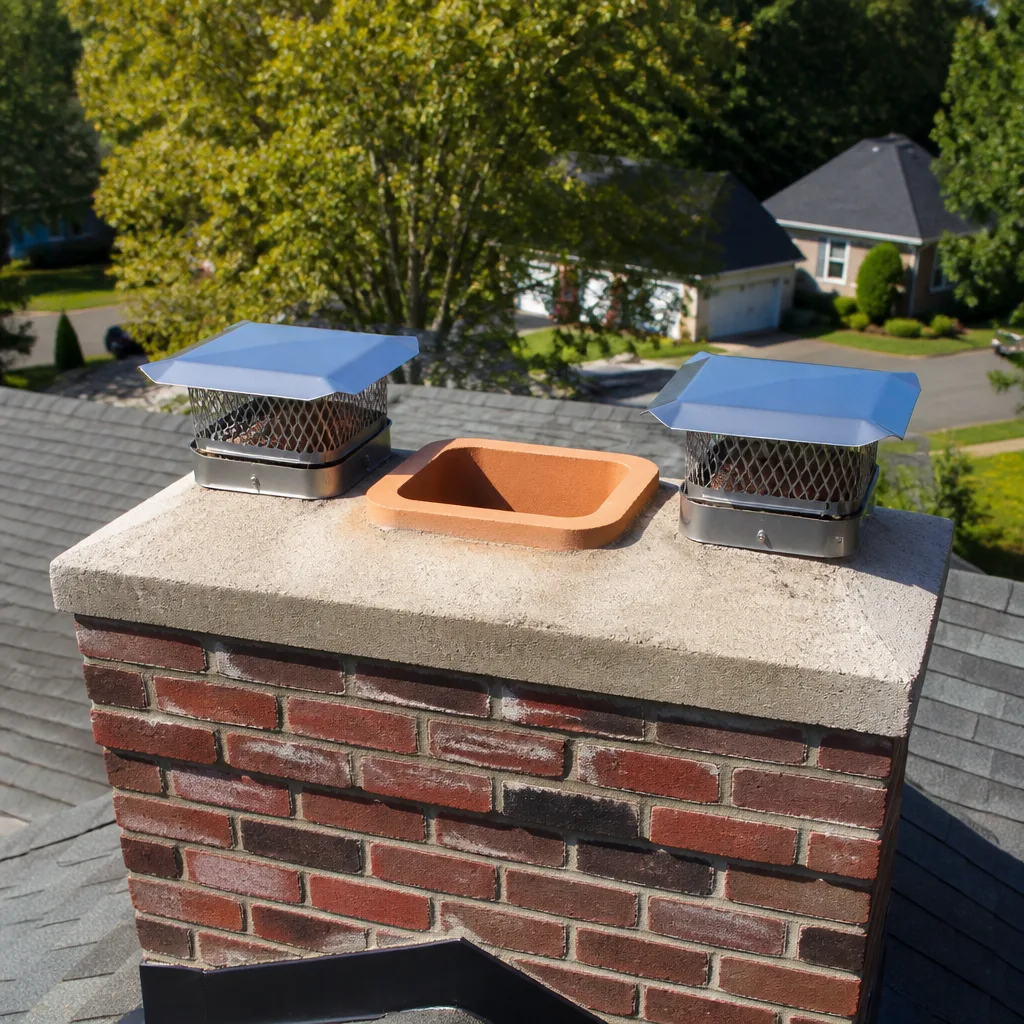
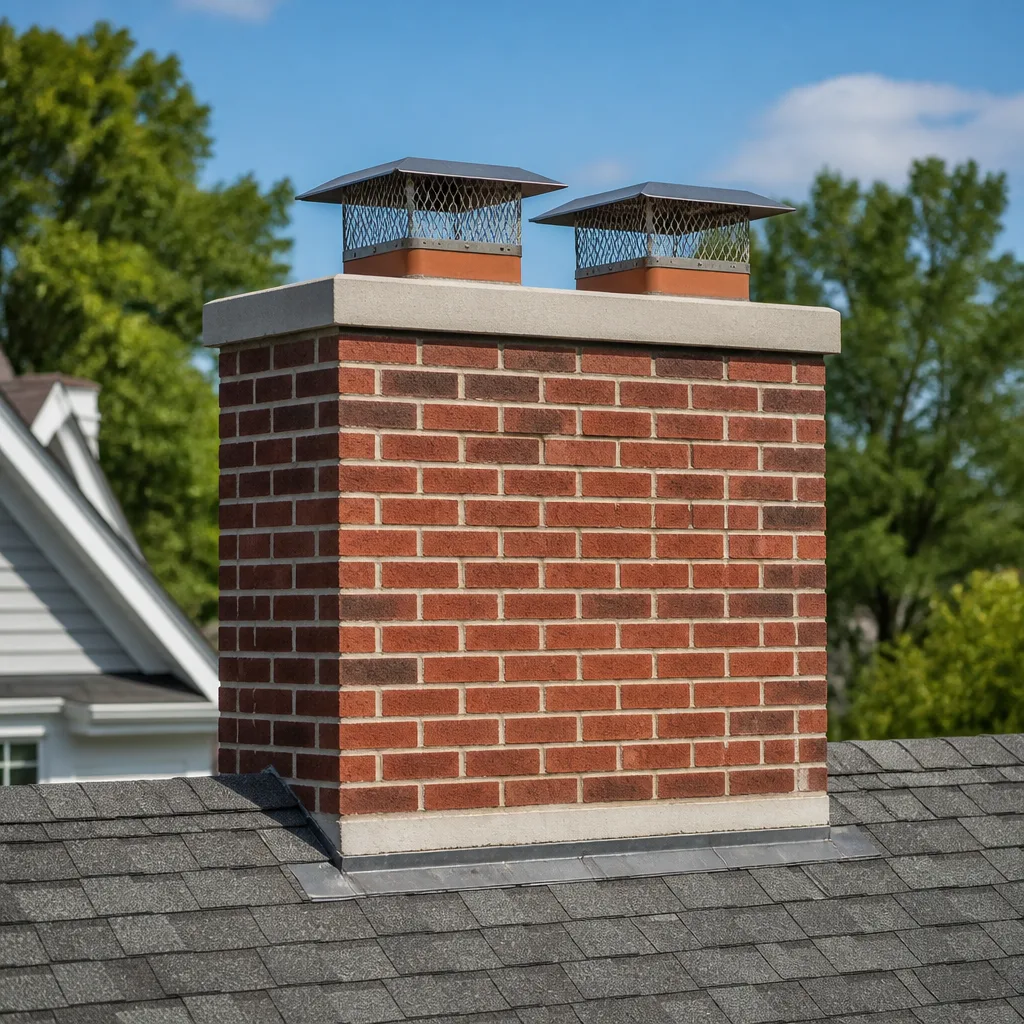
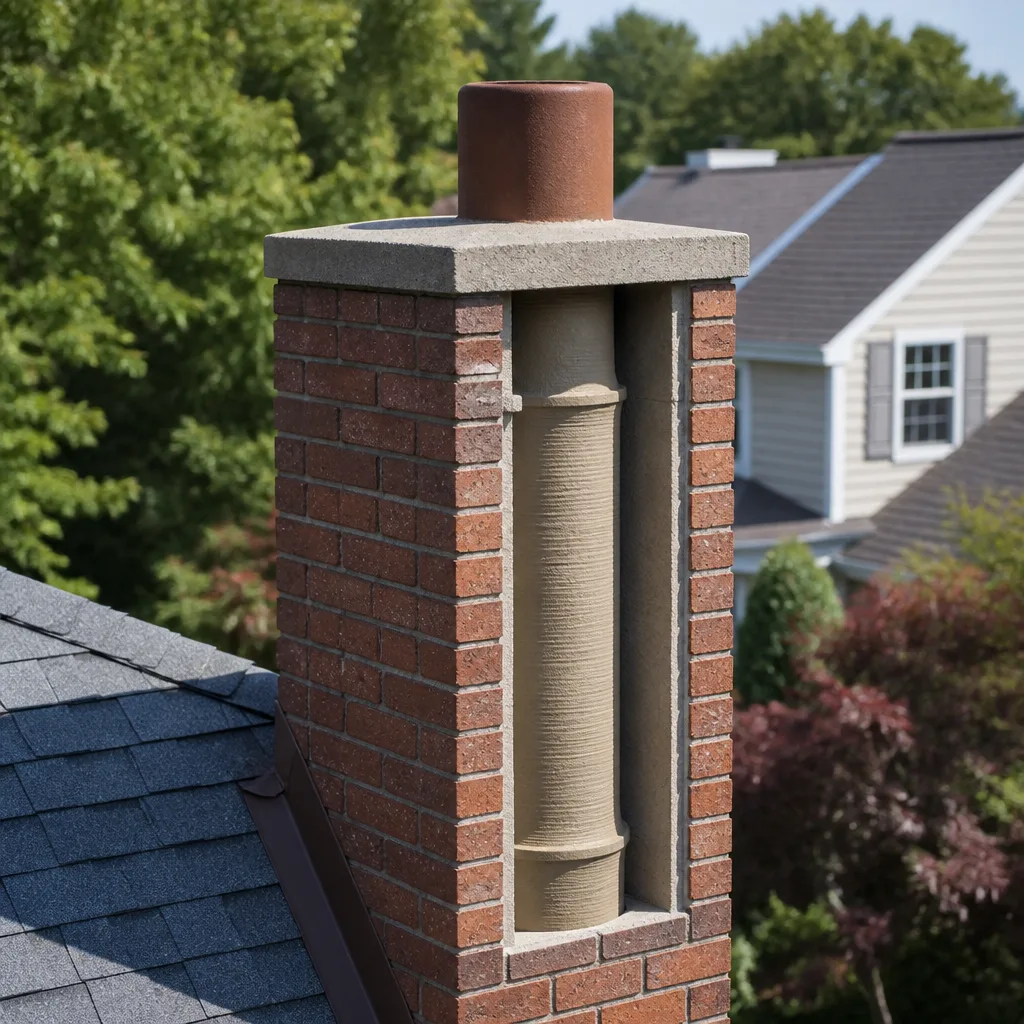
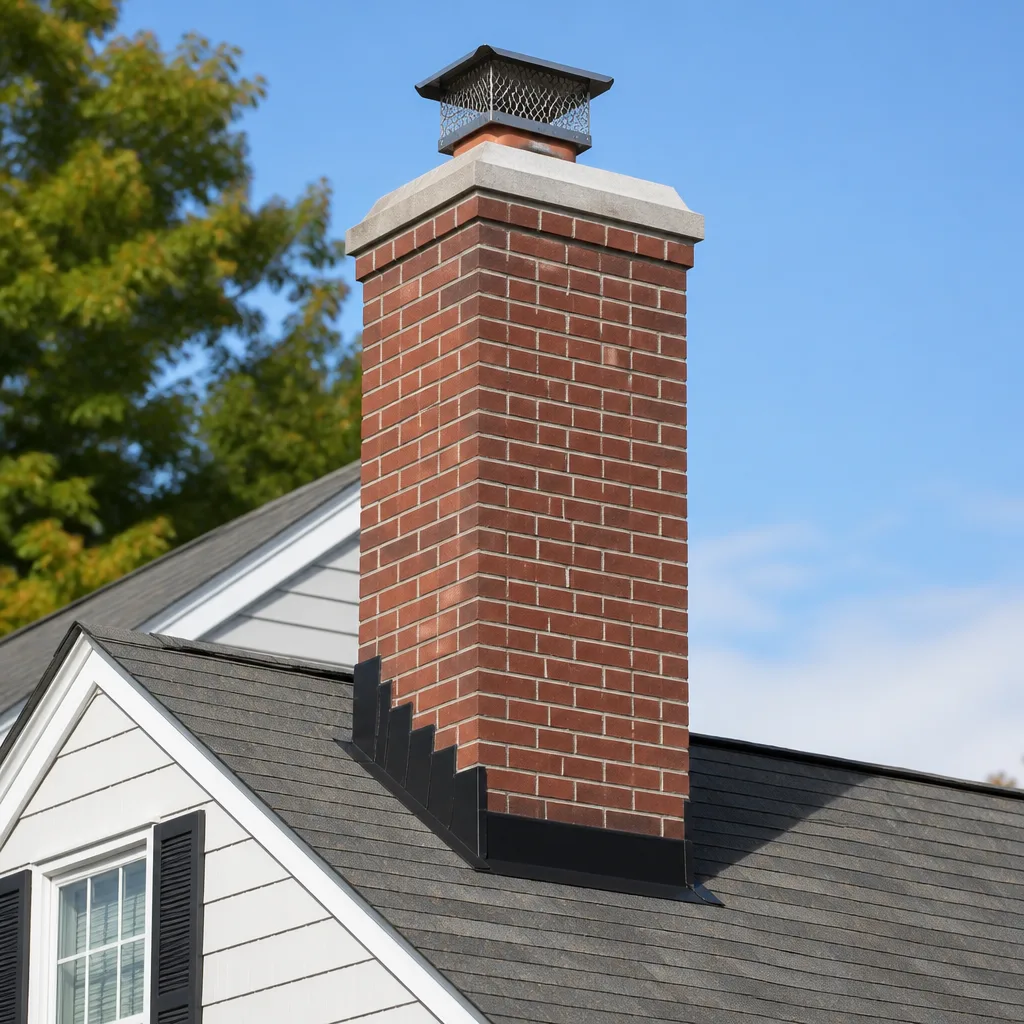
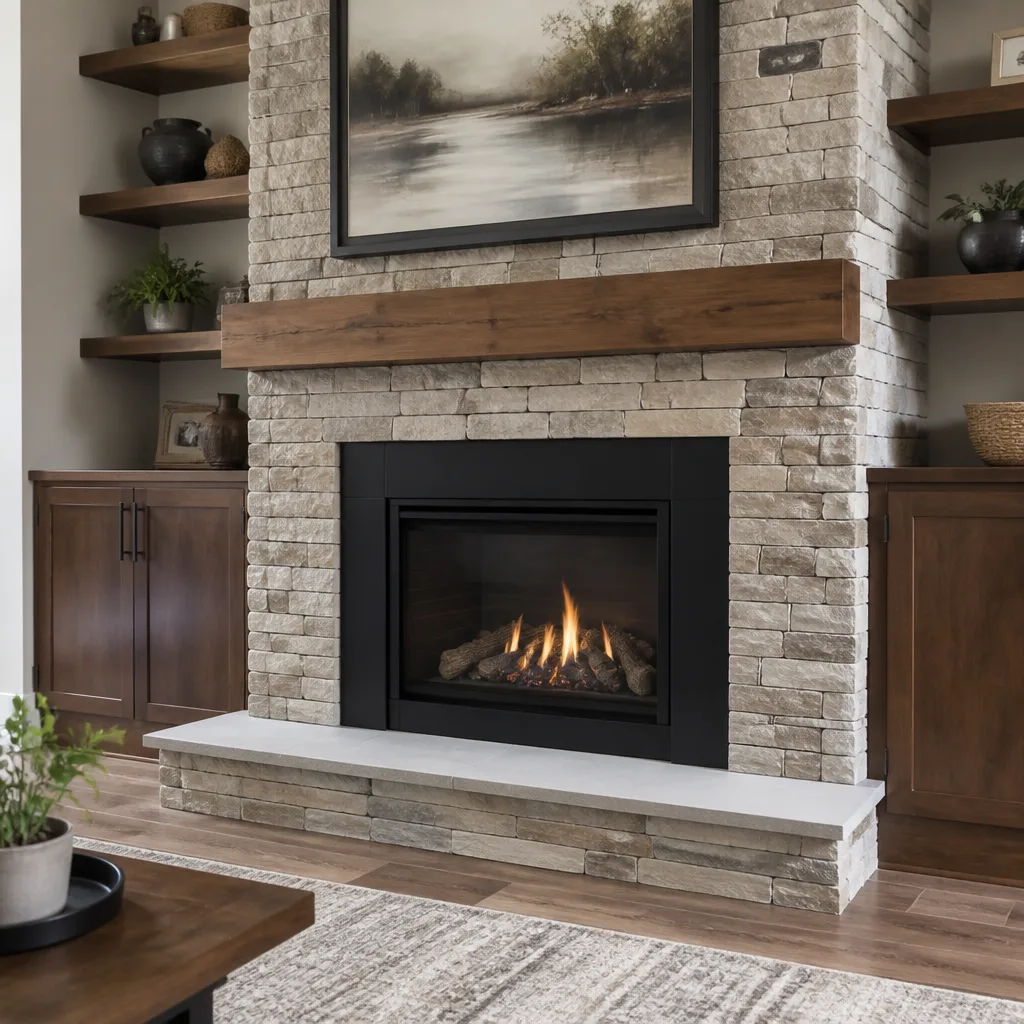
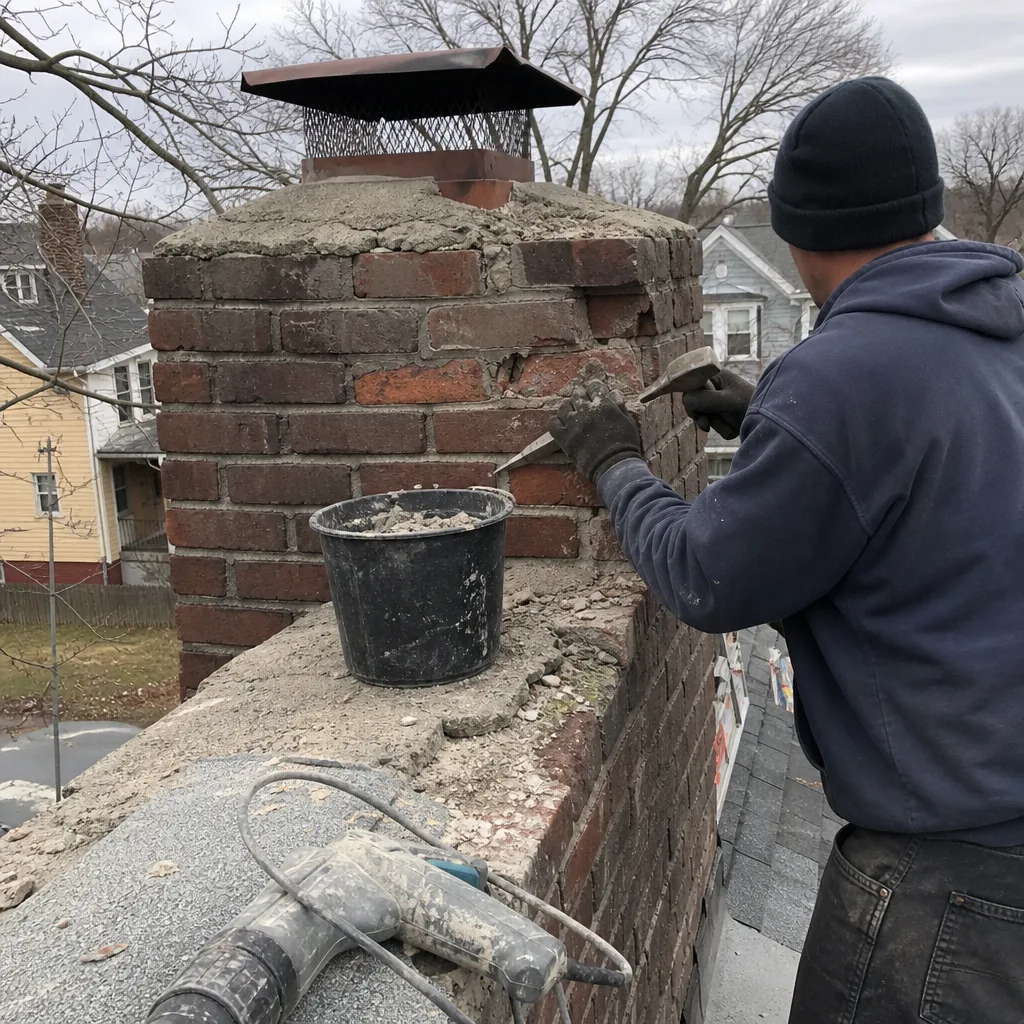 Before
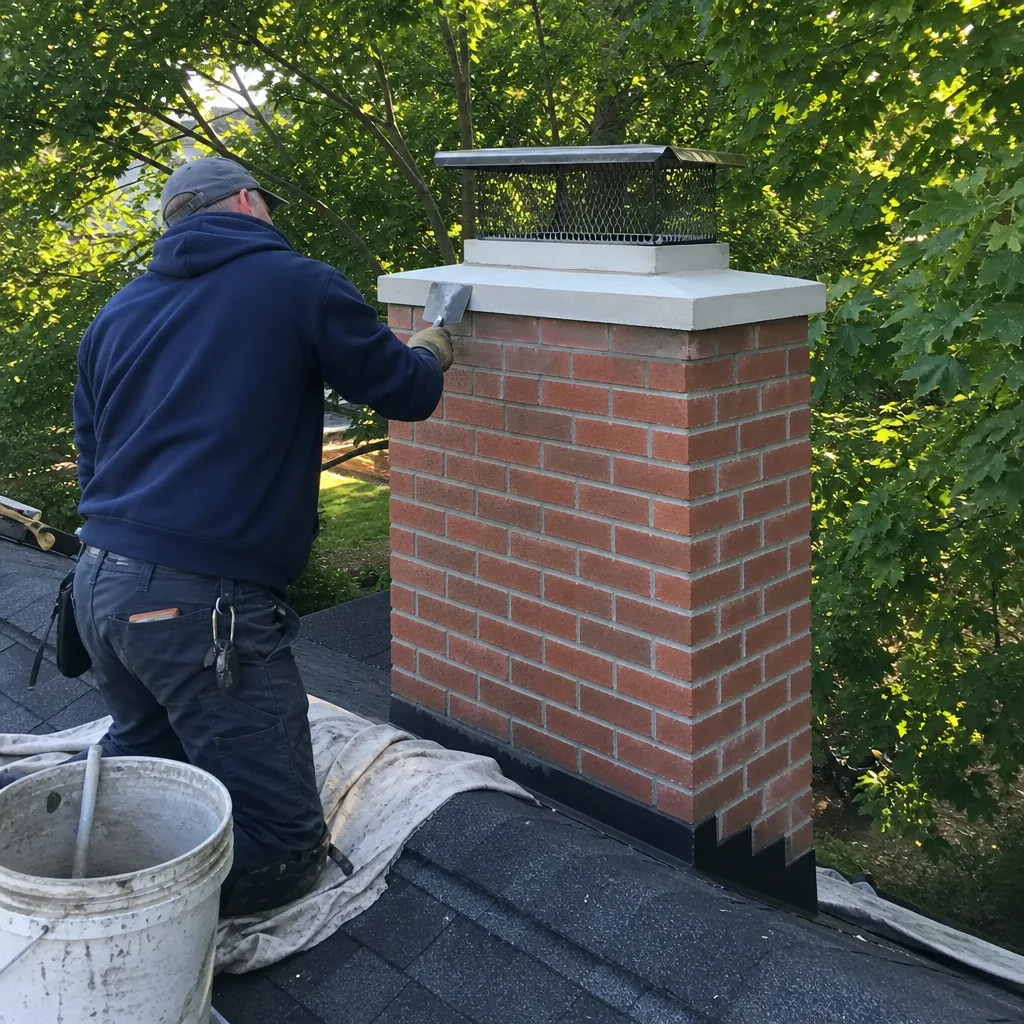 After
After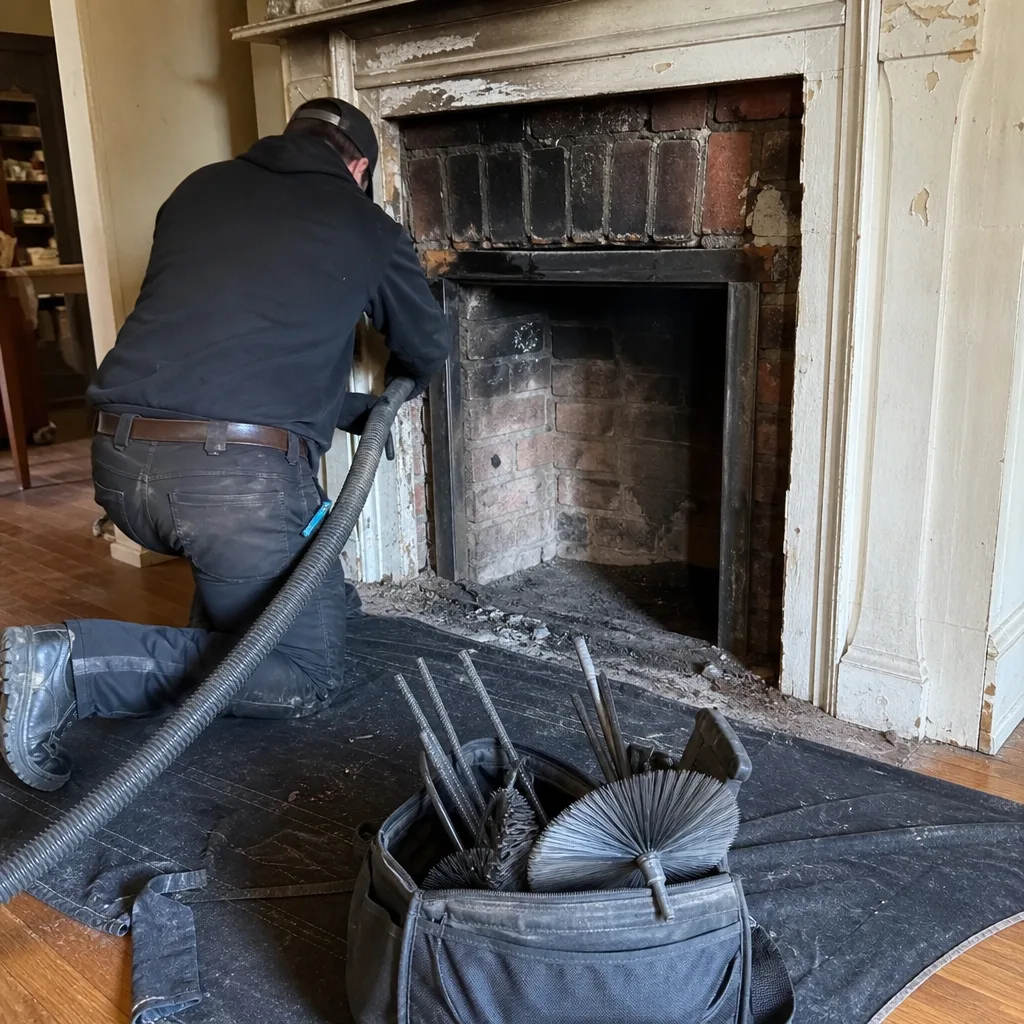 Before
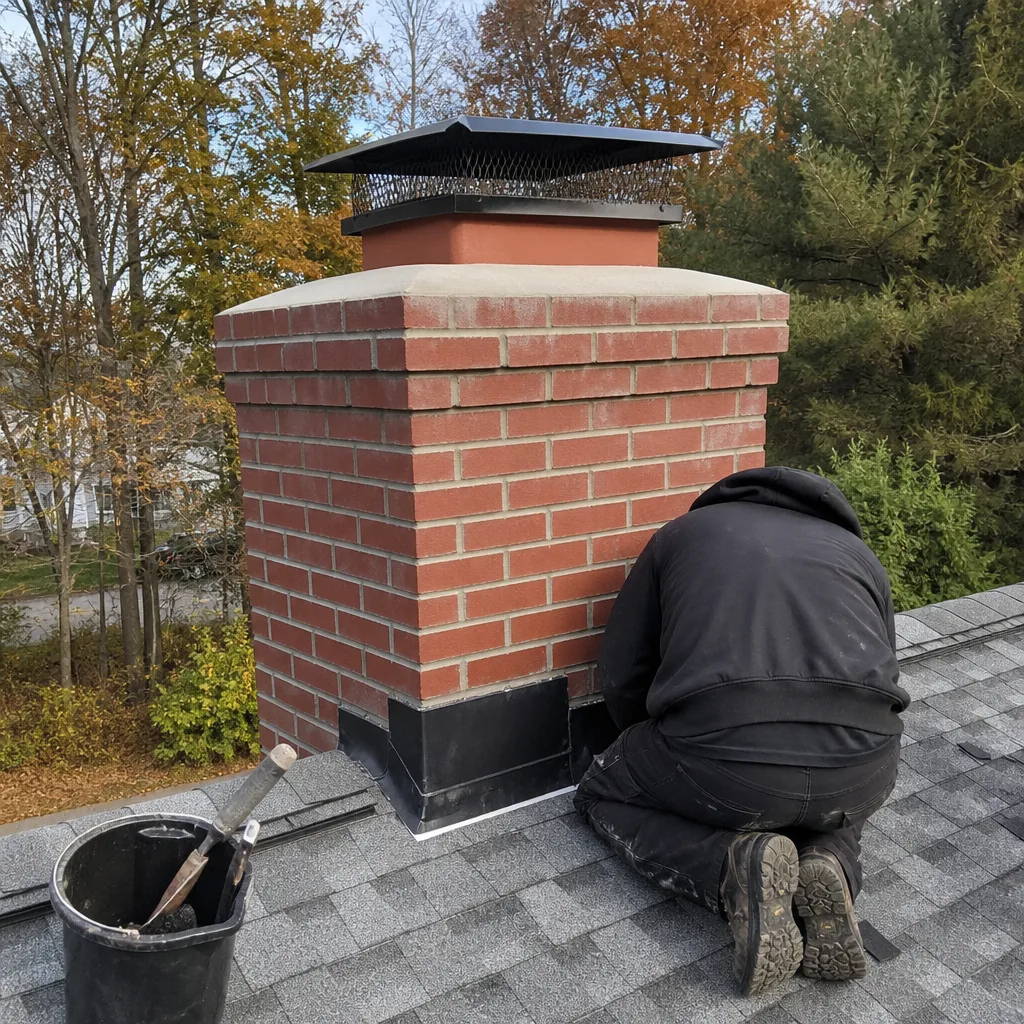 After
After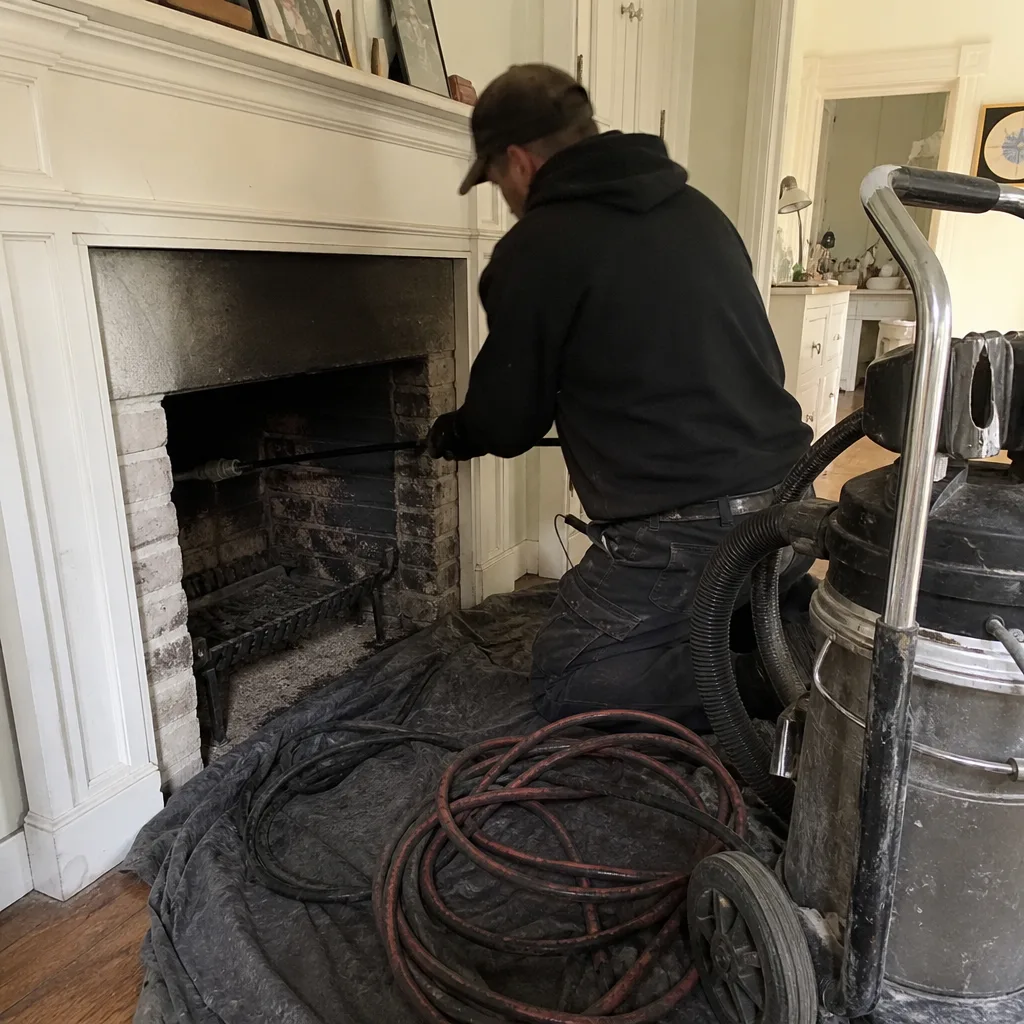 Before
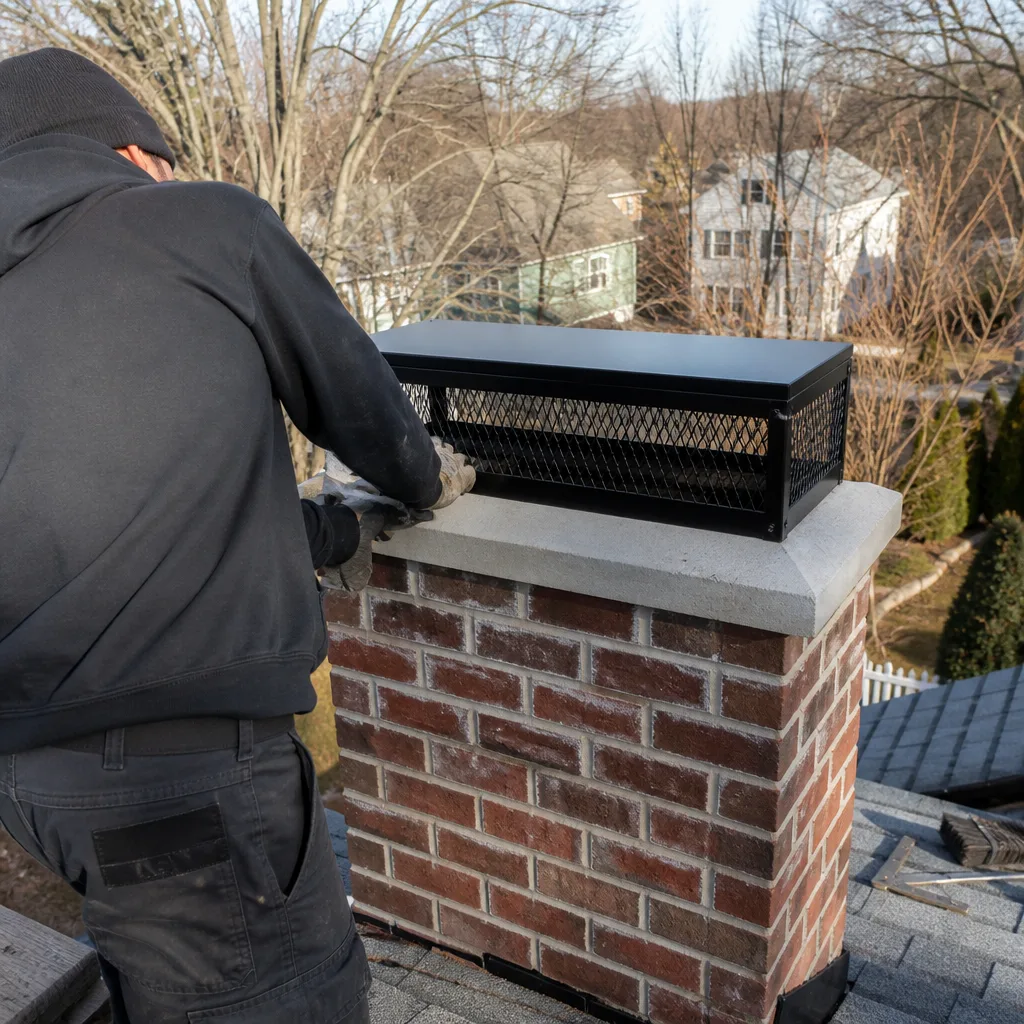 After
AfterSoot Removal in Norwood, MA
Soot removal in Norwood typically runs $120 to $280, depending on how much has built up and whether your flue needs a camera inspection alongside the cleaning. Most jobs are done in a single visit, and Wendell or one of his crew can usually get there the same week – often the same day if you catch a cancellation.
Soot is the fine, powdery byproduct of incomplete combustion. A little of it is normal. A lot of it means your fire isn’t burning hot enough, your wood wasn’t dry, or both – and over time, that soft black residue will harden into creosote, restrict airflow, and create a real fire hazard inside the flue. If you’ve noticed a smoky smell in the living room, dark staining around the firebox, or any visible buildup on the damper or smoke shelf, those are signs worth taking seriously.
At Top Hat Chimney, Wendell Pike has been working chimneys in Norwood and the surrounding communities since 1999. This isn’t a franchise that rotates crews through – it’s a small, owner-operated operation where the same man who answers the phone is often the one pulling on the drop cloths in your living room. For a full picture of what we do before, during, and after a cleaning appointment, see our Chimney Cleaning & Sweep in Norwood page. If you’re ready to schedule now, call us at (508) 687-5884 – a live person picks up every time, day or night.
When You Need Soot Removal
Soot doesn’t announce itself. It builds up slowly, and most homeowners don’t see the problem until it’s already affecting how the fireplace smells or draws. Here are the situations we run into most often when we’re called out to homes in Norwood:
- A persistent smoky smell, even with no fire burning. If your living room smells like a campfire on a Tuesday afternoon, soot and creosote deposits in the flue are trapping odors and sending them back into the house. This gets worse in summer when warm air reverses through the chimney.
- Visible black residue inside the firebox or on the damper plate. A light gray dusting is normal. Thick, oily, or glossy black residue is not – it signals that combustion gases aren’t clearing the flue cleanly, and that’s where soot turns into a more serious problem.
- Smoke rolling back into the room when you open the firebox. Partial blockage from soot buildup reduces the draft, which means smoke follows the path of least resistance – back into your home instead of up and out.
- It’s been more than 12 months since your last cleaning. Even if you only burned a handful of fires, the off-season still brings moisture, nesting material, and debris. Once a year is the floor, not the ceiling.
- You’re switching fuel types or installing a new insert. Different heat sources produce different combustion byproducts. Before we install a liner or an insert, the flue needs to be clean – no exceptions.
- You’re preparing a vacation home or older Norwood property after a long vacancy. Chimneys in houses that have sat unused for a season or more are common sites for soot buildup, animal entry, and mortar deterioration. We see this regularly in older Cape Cod-style homes throughout the Norwood area.
Our Soot Removal Process
We don’t arrive, sweep fast, and leave. Every soot removal visit follows a consistent sequence because skipping a step is how problems get missed. Here’s what the appointment actually looks like:
- Drop cloths and floor protection go down first. Before a single brush comes off the truck, we cover the hearth, the surrounding floor, and any furniture nearby. Your home stays clean – that’s not a courtesy, it’s part of the job.
- Visual inspection from the firebox up. Wendell or his crew checks the firebox, damper, smoke shelf, and visible flue sections from below before any cleaning starts. We’re looking at what kind of deposits are present – soft soot, sticky stage-two creosote, or anything more advanced – because that determines which tools and techniques are right for the job.
- Camera scan from the top, if warranted. For chimneys with heavier buildup, older clay tile systems, or any sign of cracking, we run a camera through from the crown down. You see what we see – a live feed of the flue interior – and we give you a plain-English verdict on the spot. No vague jargon, no manufactured urgency.
- Rotary brush cleaning from the top down. We use professional-grade rotary systems from Copperfield and similar suppliers, sized to your specific flue diameter. The brush breaks the soot loose from the flue walls, and the connected vacuum system captures it before it settles back into the firebox or the room. This is not a leaf-blower situation.
- Smoke shelf and firebox cleanup. The smoke shelf – the ledge just above the damper – catches a surprising amount of soot and debris. We clean it thoroughly, because a packed smoke shelf is a common cause of smoke rollback that gets misdiagnosed as a draft problem.
- Final walkthrough and written summary. Before we pick up the drop cloths, we walk you through what we found, what we cleaned, and whether there’s anything that needs attention down the road. If there’s a repair needed, you’ll get upfront pricing on the spot – no follow-up invoice with a number you didn’t agree to.
Soot Removal Pricing in Norwood
Soot removal in Norwood costs $120 to $280 for most residential chimneys. That range covers a straightforward single-flue cleaning with standard soot deposits. Here’s what tends to move the price within that window:
- Level of buildup: Light, powdery soot from a well-maintained fireplace is a faster job. Heavy accumulation – especially if some of it has begun to harden – takes more time and more passes.
- Flue height and configuration: A two-story chimney on a Norwood colonial with a steep roof pitch takes longer to access and clean safely than a single-story ranch with a low-profile flue. Height matters.
- Camera inspection: If we need to run the camera to assess liner condition or locate a blockage, that adds to the visit cost. It’s worth it when there’s any doubt about what’s going on inside.
- Number of flues: Some older homes in Norwood have two-flue chimneys – one for the fireplace, one for the furnace or boiler. Each flue is priced separately.
All pricing is delivered upfront before we start. The number you hear on the phone is the number on the invoice. If you’re a senior or a veteran, you get 10% off, always. And if the repair side of the visit comes to more than $200, the $40 discount applies automatically.
We don’t charge a trip fee for calls within our service county. If you have a competing written estimate, we’ll give you a free second opinion – no strings attached.
Call (508) 687-5884 for a free estimate. Estimates are free, and whoever picks up can usually give you a ballpark range while you’re still on the phone.
Why Homeowners in Norwood Call Top Hat First
We know there are other options. There are national booking services, franchises with polished websites, and plenty of trucks that will show up and do a fast sweep for a low number – until they find something “wrong” and the price climbs. That’s a well-documented pattern, and homeowners in Norwood have lived it.
Top Hat Chimney has been operating since 1999. Wendell Pike puts his name on the work, publishes his license number, and runs into the same people he’s served on Washington Street, at the Norwood farmers market, and in the hardware store parking lot off Nahatan Street. That kind of accountability doesn’t come with a franchise model.
Every job comes with the 90-Day Done Right Promise: if something we did isn’t right within 90 days, one call brings us back at no extra cost. That’s in writing on every invoice. Not a verbal assurance. In writing.
We use professional-grade tools and supplies from brands like Copperfield and Olympia Chimney. The equipment is right for the job, not the cheapest thing that fits in the van. And when we find something that needs repair – a cracked liner, a deteriorating crown, a cap that needs replacement – we tell you what it is, what it costs, and whether it’s urgent. Sometimes the honest answer is that it can wait until next season. We’ll tell you that too.
For everything that falls under the broader scope of annual chimney maintenance, our home page walks through the full range of what we offer.
Soot vs. Creosote: What’s the Difference and Why It Matters
Soot and creosote come from the same source – incomplete combustion – but they behave differently and carry different risk levels.
Soot is the light, dry, powdery residue that settles on flue walls and in the firebox. It’s mostly carbon, it brushes off without much resistance, and at low levels it’s not an immediate danger. But let it accumulate and it starts to restrict airflow, concentrate odors, and – critically – it converts. Given enough heat and moisture cycles, soot transitions into creosote.
First-degree creosote is still relatively easy to remove with a rotary brush. Second-degree creosote is flakier, denser, and takes more effort. Third-degree creosote is a glazed, tar-like coating that bonds to the flue liner – and removing it requires chemical treatments and specialized tools. It’s also the form most associated with chimney fires, which can reach temperatures above 2,000 degrees Fahrenheit inside the flue.
Catch it at the soot stage and you’re looking at a standard cleaning visit. Let it progress and you’re looking at a more involved job – and a flue that’s genuinely dangerous to use. The lesson here is simple: clean once a year, burn dry wood, and don’t put off the appointment because the fireplace seems to be working fine.
A safety note: if you suspect third-degree glazed creosote or heavy deposits, do not use the fireplace until a certified sweep has inspected it. What looks like a coating on the liner walls can ignite in a chimney fire with very little warning. This isn’t a DIY cleaning situation – the temperatures and structural risks involved require a trained professional with the right equipment.
FAQs – Soot Removal in Norwood
How much does soot removal cost in Norwood, MA?
Soot removal in Norwood runs $120 to $280 for a standard single-flue residential chimney. What moves the price is the level of buildup, the height and configuration of the chimney, and whether a camera inspection is warranted. Seniors and veterans always receive 10% off. Call (508) 687-5884 for a free estimate – we can usually give you a ballpark on the first call.
How often should I have soot removed from my chimney?
Once a year is the right interval for most Norwood homeowners who burn wood regularly. If you burn infrequently – a few fires a season – annual cleaning still makes sense because moisture, debris, and animal activity happen regardless of how often you light the fireplace. The Chimney Safety Institute of America recommends annual inspection for all chimneys, and we agree.
Can I remove soot from my chimney myself?
You can brush out light soot from the firebox and damper area yourself with the right brush and a dust mask – but cleaning the full flue safely and effectively requires rotary equipment, a HEPA-grade vacuum system, and the ability to work from the roof. More importantly, you won’t be able to assess what’s happening deeper in the flue or spot early signs of liner damage, creosote transition, or structural problems. The cleaning is one part of the visit; the inspection is the other part, and that’s where most problems get caught early. If there’s any meaningful buildup, call a sweep.
Will soot removal make my house smell better?
Yes, in most cases. That persistent smoky or musty smell that seeps into Norwood homes during the summer is almost always coming from soot and creosote deposits in the flue reacting with humidity. When warm, moist air reverses down the chimney, it carries those odors with it. Removing the deposits eliminates the source. A chimney cap and a properly seated damper help too, and we’ll tell you if either is contributing to the smell when we’re there.
Do you clean gas fireplace flues, or just wood-burning chimneys?
Both. Gas appliances produce less soot than wood fires, but they still generate combustion byproducts that settle in the flue, and gas flue systems still need annual inspection for blockages, liner integrity, and proper venting. If you’ve converted from wood to gas and haven’t had the flue checked since, that’s worth a call.
Key Takeaways
- Soot removal in Norwood runs $120 to $280 for most single-flue chimneys, with upfront pricing before any work starts.
- Annual cleaning prevents soot from hardening into creosote – the more dangerous and expensive problem to fix.
- Every visit includes a visual inspection, and camera scans are available when the situation calls for it.
- Wendell Pike and his crew have been working in Norwood since 1999 – not a franchise, not a stranger from out of state.
- Every completed job is backed by the 90-Day Done Right Promise, in writing.
- Seniors and veterans receive 10% off every time. No exceptions, no forms to fill out.
- Call (508) 687-5884 and a live person answers – day or night.
Schedule Your Soot Removal in Norwood
If it’s been a year or more since your last cleaning – or if you’re smelling something you can’t explain, seeing buildup you don’t like the look of, or just want to know what’s actually going on inside that flue – give our Norwood team a call. Wendell or someone on his crew will pick up. We’ll ask a few questions, give you an honest estimate, and get you on the schedule. No pressure, no manufactured urgency, and no price that changes when we pull in the driveway.
Call (508) 687-5884 to schedule soot removal in Norwood. Estimates are free. Same-week appointments are usually available.
Written by Wendell Pike, Owner at Top Hat Chimney, serving Norwood since 1999.