
Last updated September 10, 2026
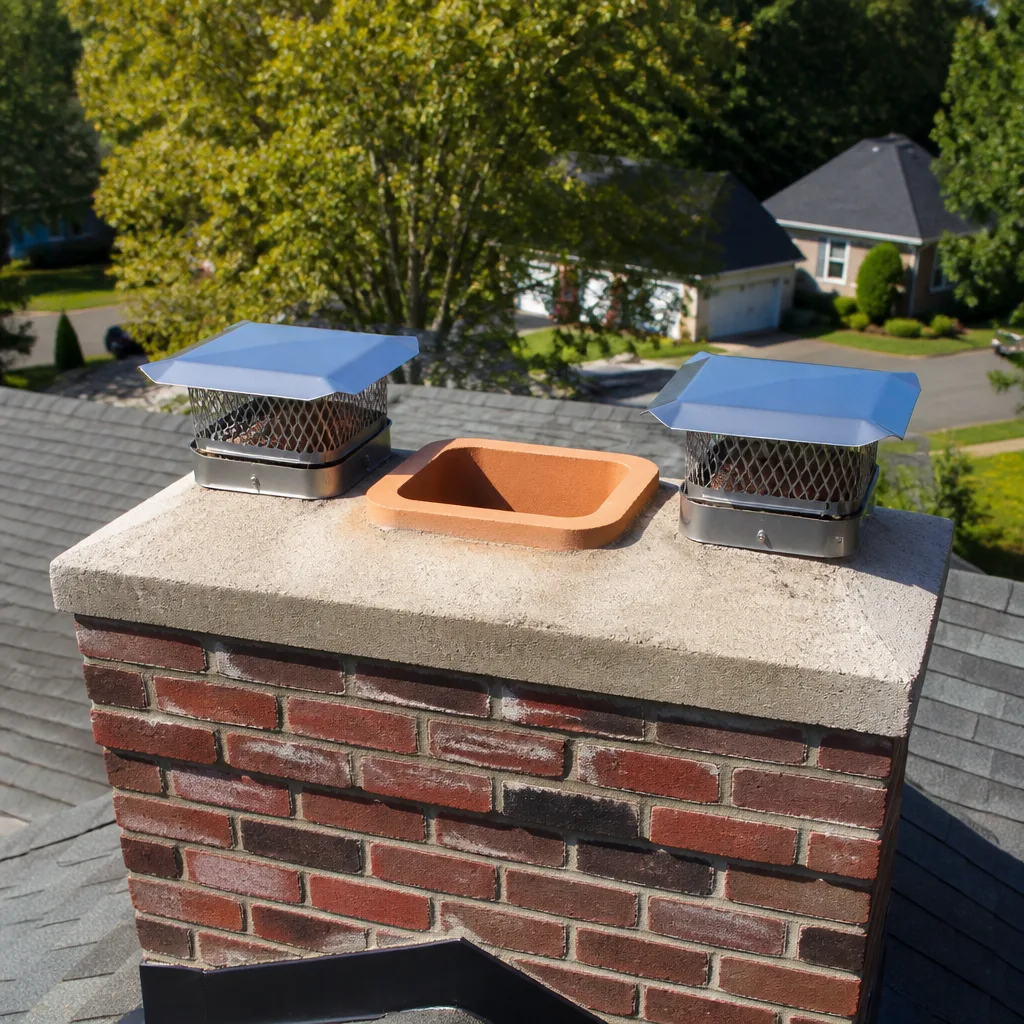
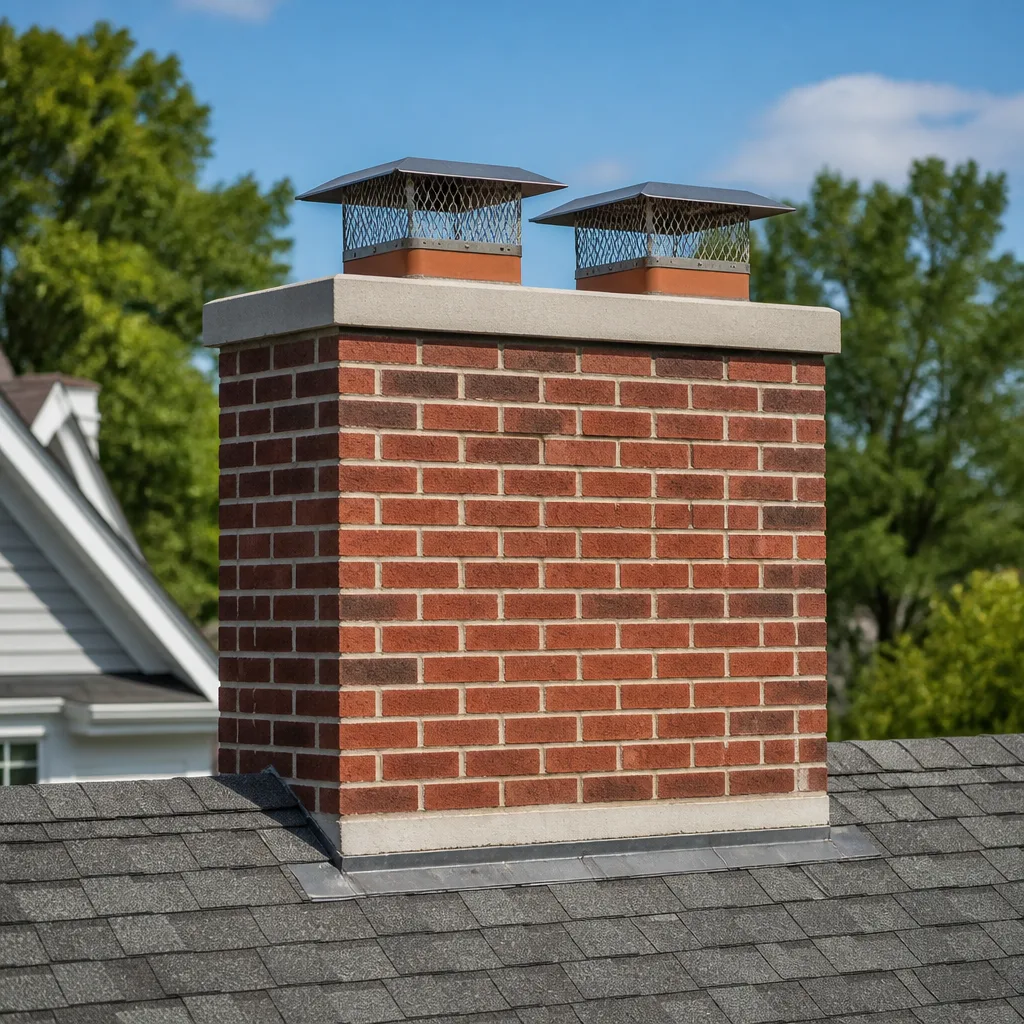
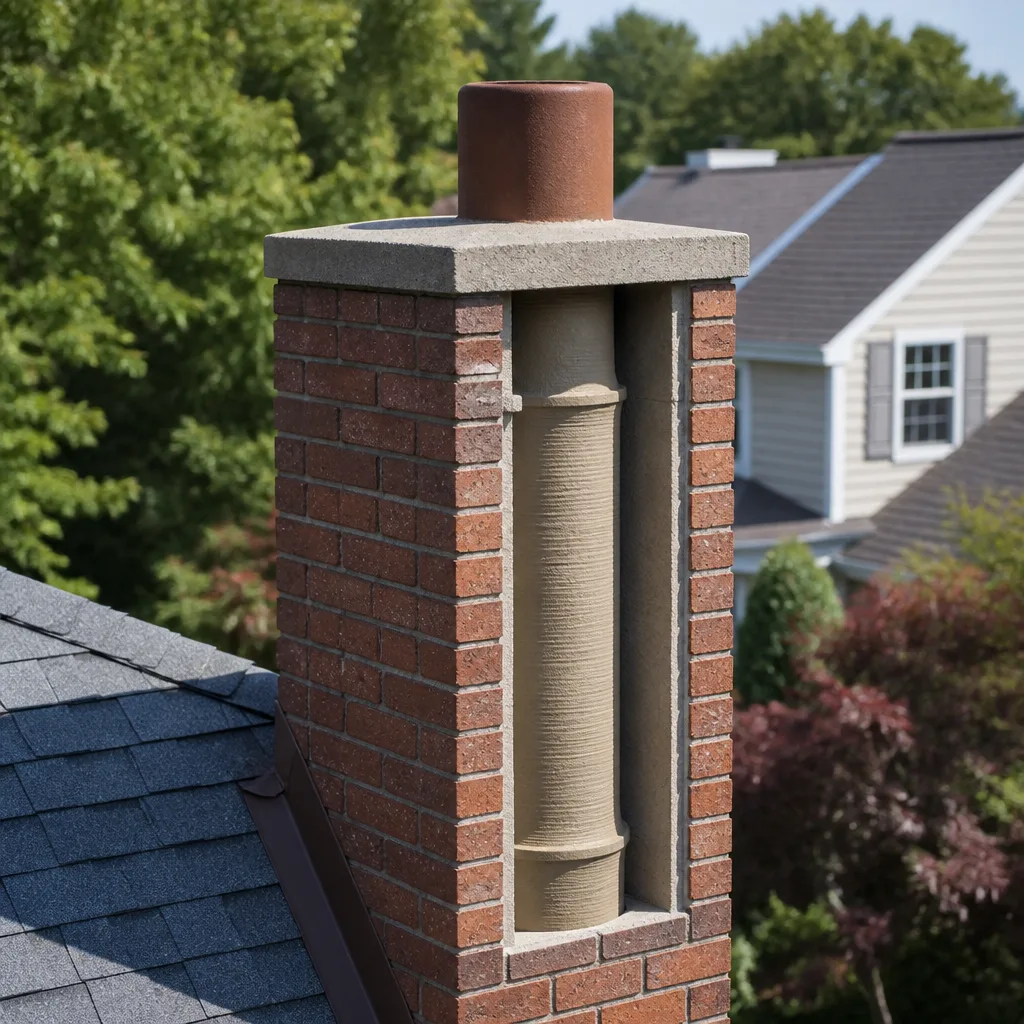
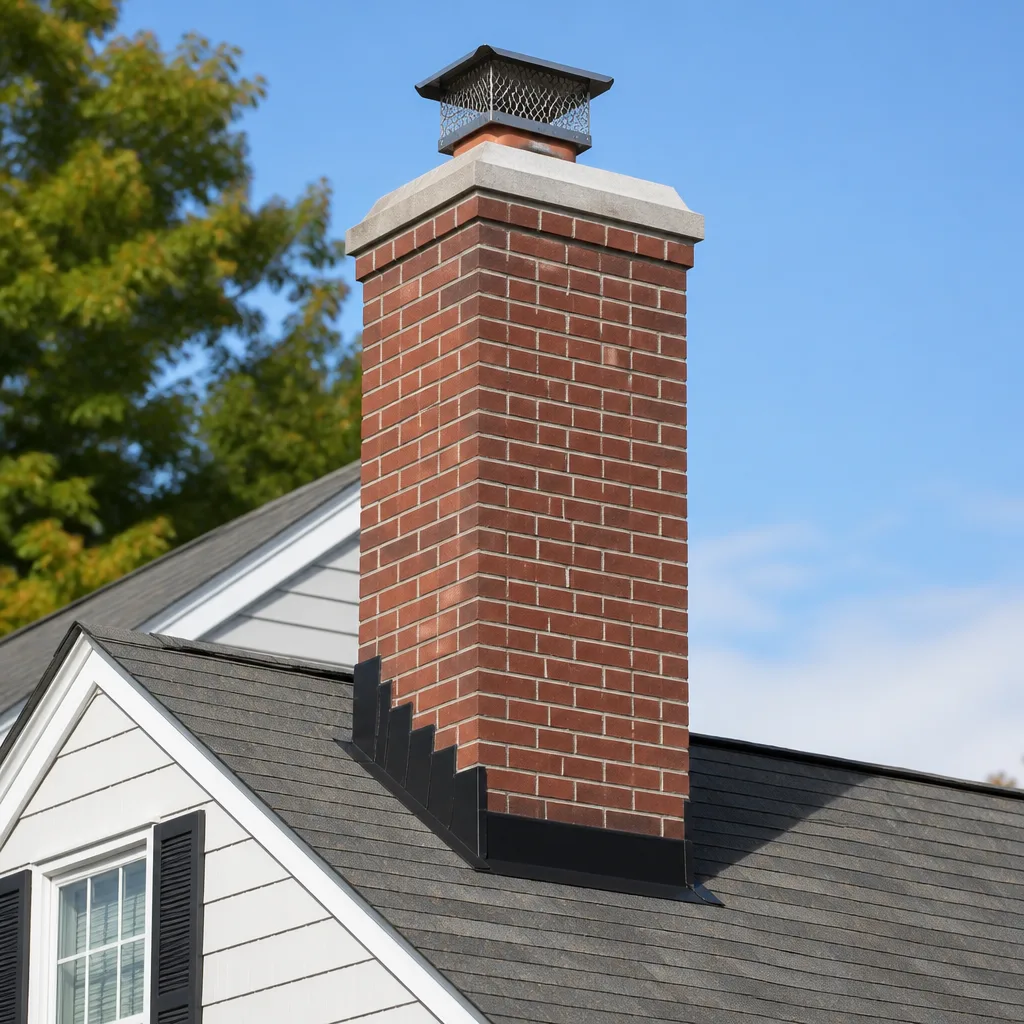
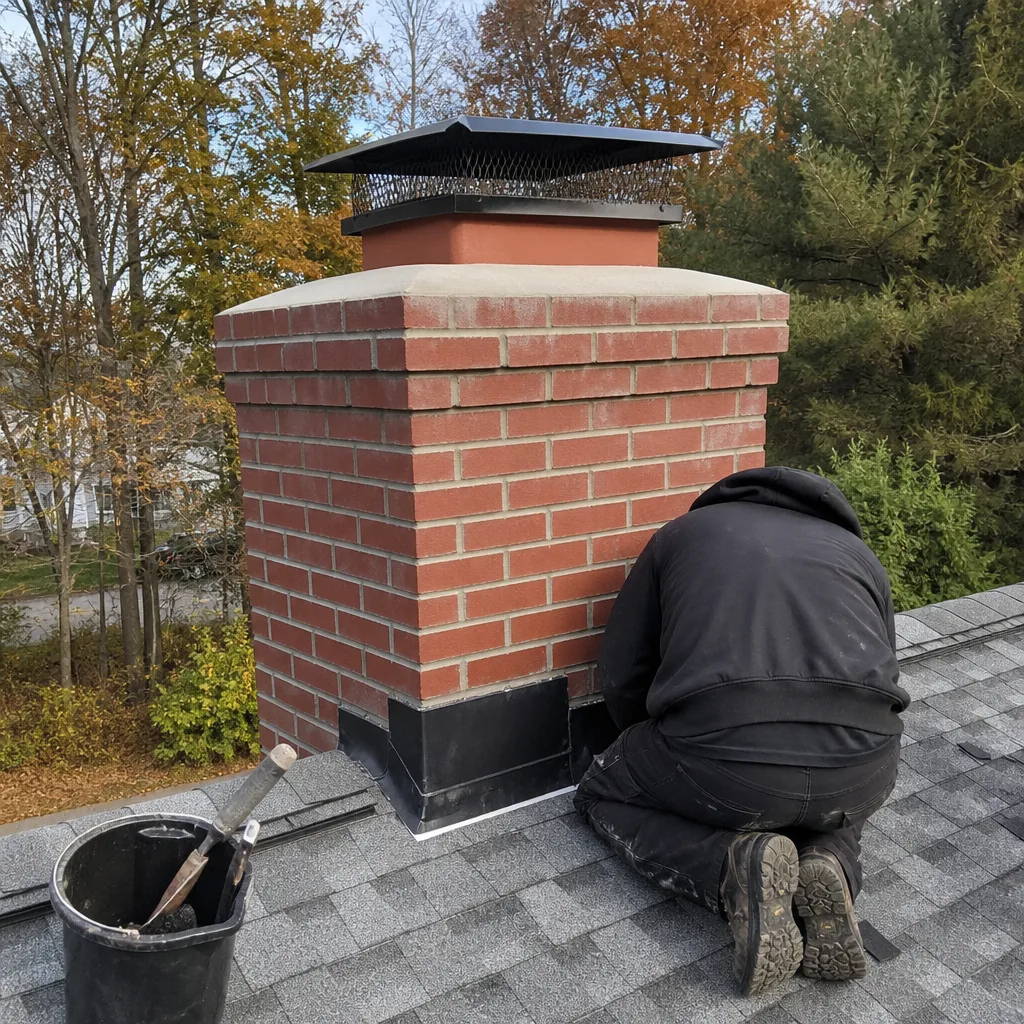
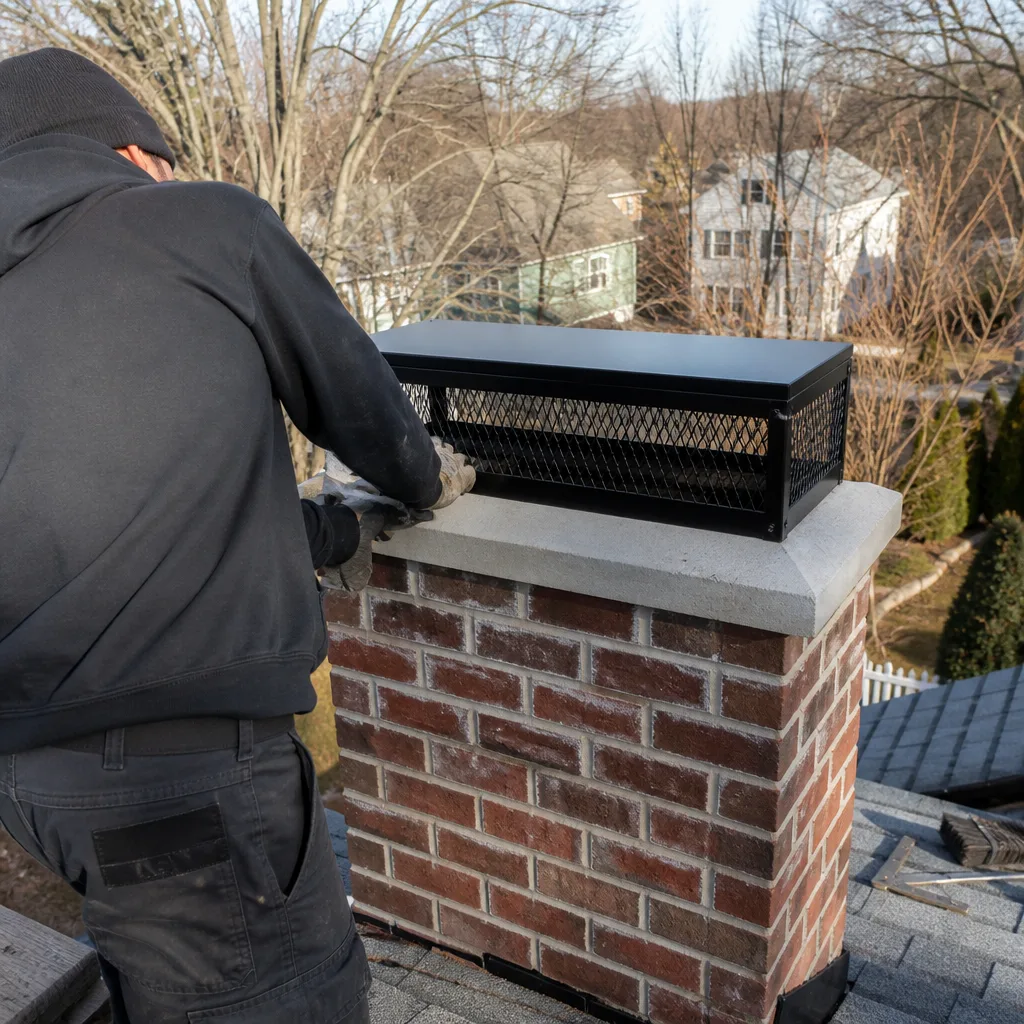
Level 1 sweep and inspection to the NFPA 211 annual standard - flue, crown, cap, and flashing checked and photographed
Chimney sweep logs do not sweep chimneys. They loosen some creosote - which then falls where a brush and vacuum still have to collect it.
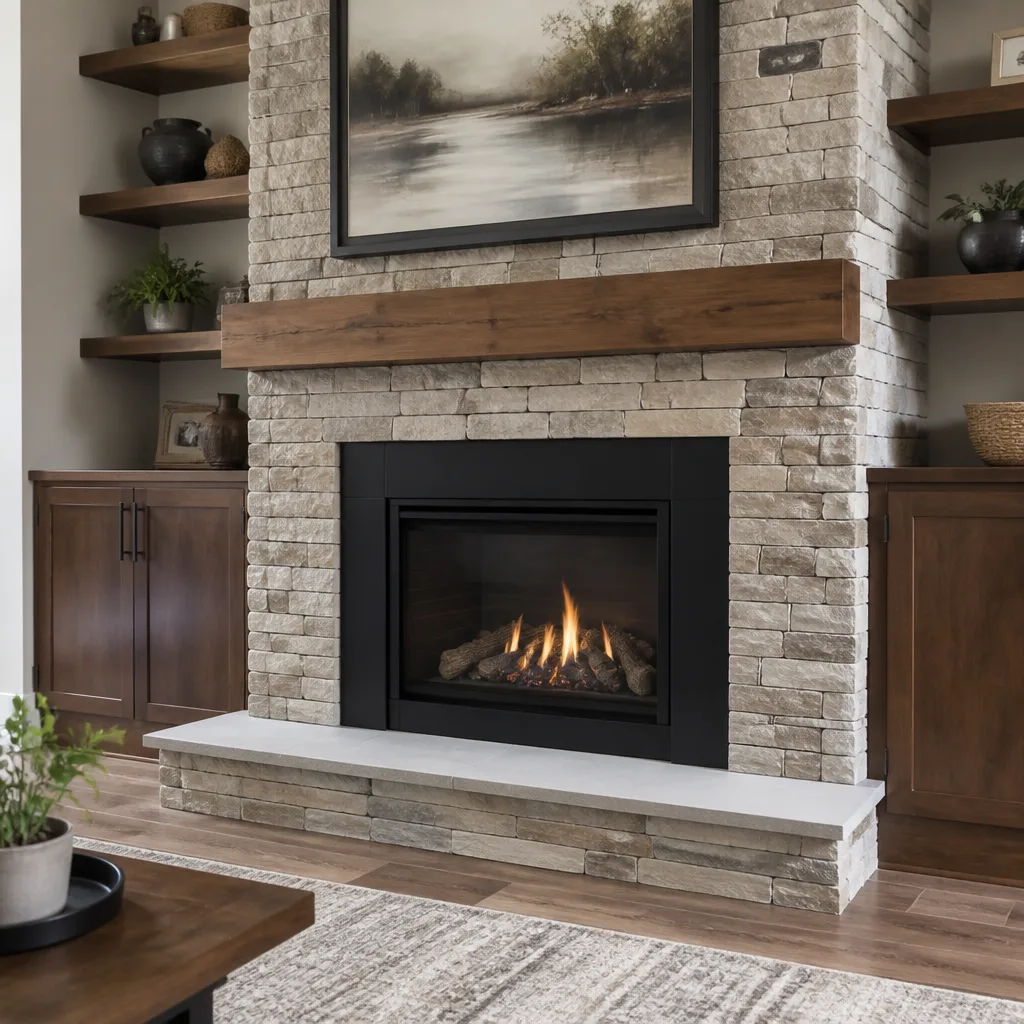
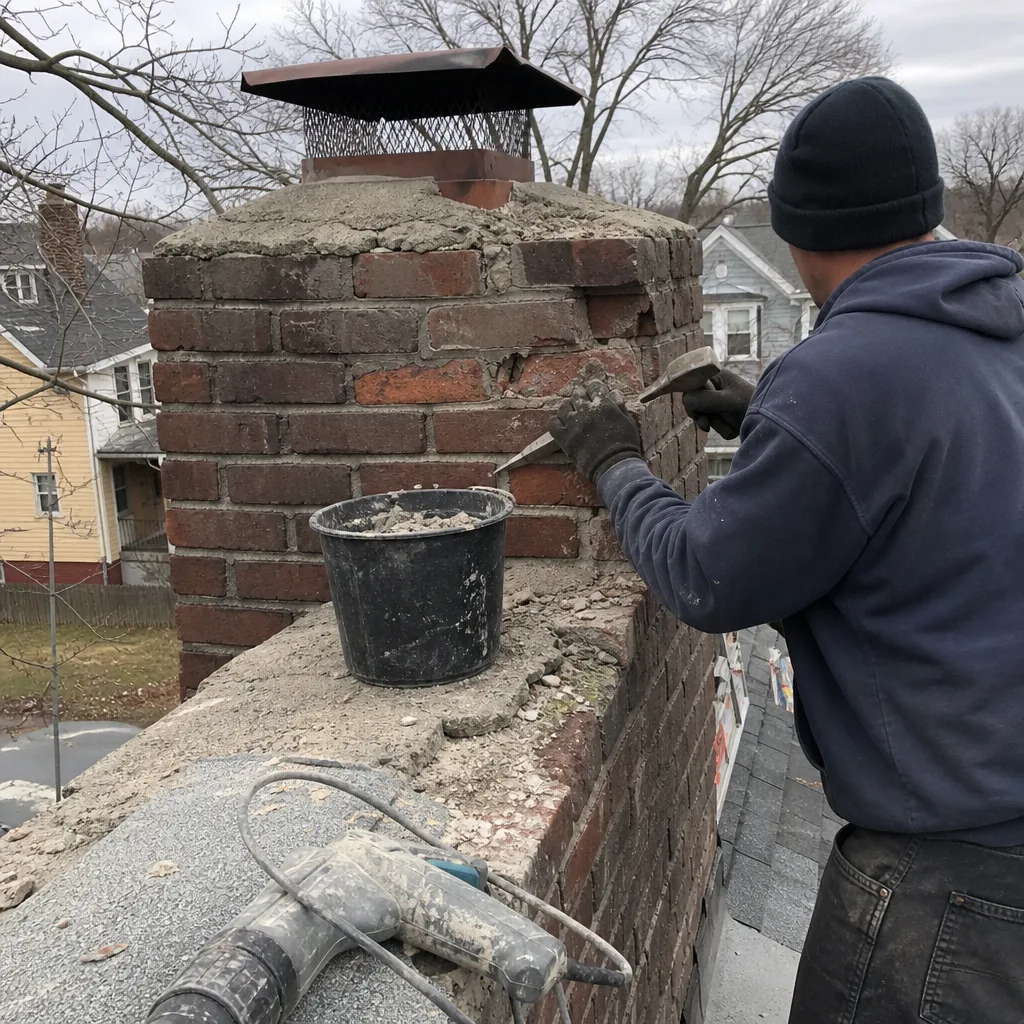 Before
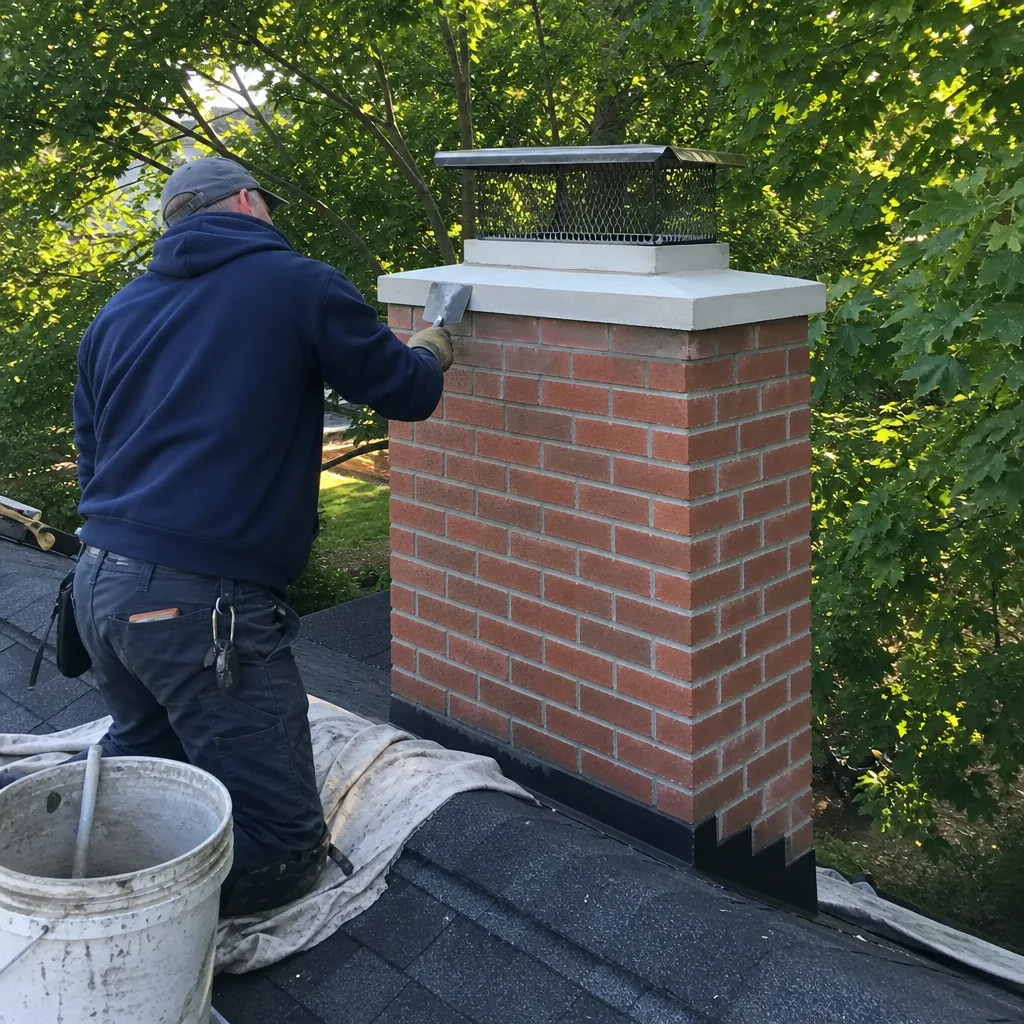 After
After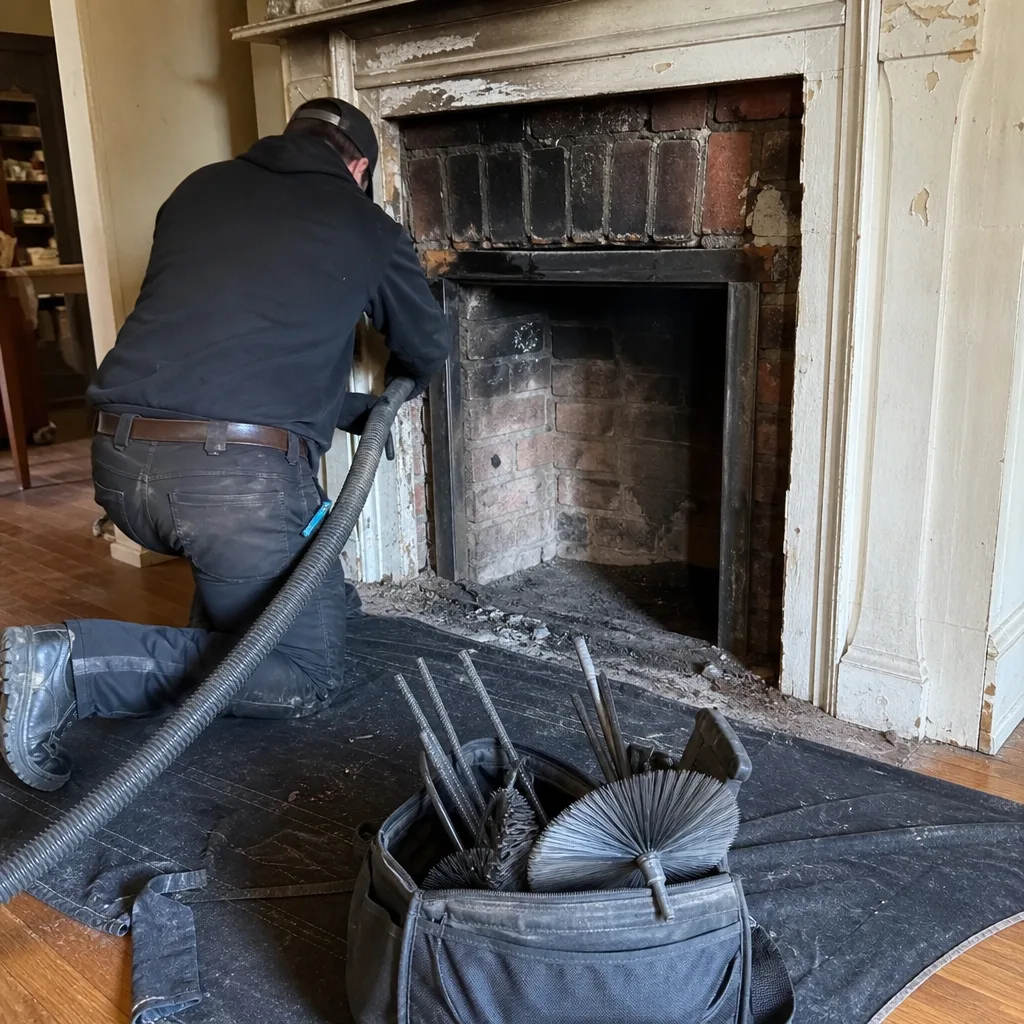 Before
 After
After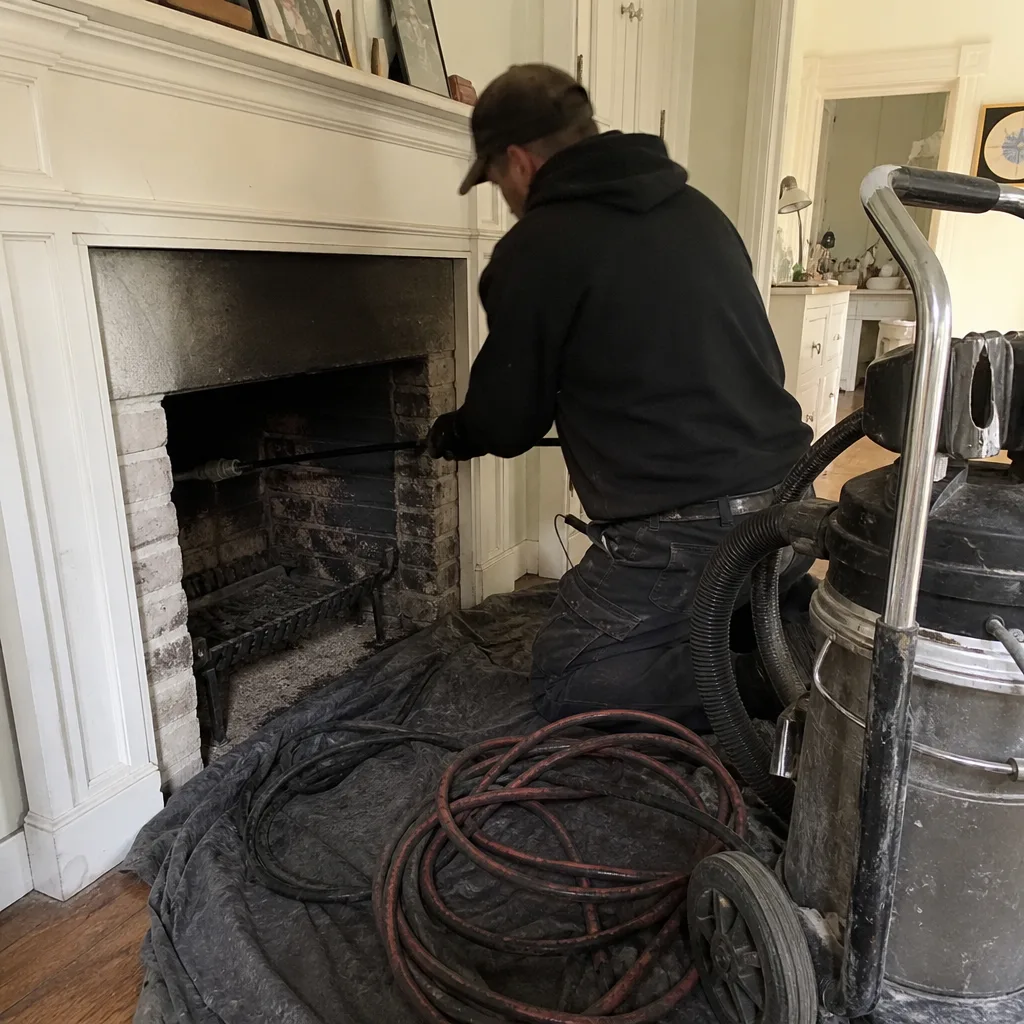 Before
 After
AfterDIY vs Professional Chimney Cleaning: The Norwood Homeowner’s Decision Guide
Chimney brush kits are cheap and widely available, and for a gas fireplace with a clean liner, you might not need anything more. For a wood-burning fireplace with two or three seasons of use in Norwood, the honest answer is more complicated. This guide walks through what DIY cleaning actually requires, where it genuinely works, and the specific situations where doing it yourself will cost you more than the professional would have charged. For more guides & resources, see our blog, or read on for the five questions that tell you which way to go.
Quick Answer
DIY chimney cleaning is appropriate for gas fireplaces with minimal use and for light first-degree creosote dust in a wood fireplace that was professionally swept within the last year. For second-degree or third-degree creosote, for any fireplace that hasn’t been inspected in two or more years, or for any sign of liner damage, a professional sweep in Norwood is the safer and ultimately cheaper choice. The equipment you would need to do the job properly costs more than a professional cleaning, and the things you cannot see from the top or the bottom are the things that cause chimney fires.
Table of Contents
- What DIY Chimney Cleaning Actually Requires
- When DIY Chimney Cleaning Genuinely Works
- What DIY Cannot Do: The Limits of a Brush
- The Three Stages of Creosote and Why They Matter
- Insurance, Liability, and the Paper Trail
- The Five-Question Norwood Decision Tree
- The Real Cost Comparison: DIY vs Professional in Norwood
- Common Mistakes to Avoid
- When to Call a Professional
- Frequently Asked Questions
- The Bottom Line
What DIY Chimney Cleaning Actually Requires
Most Norwood homeowners who call us after attempting a DIY sweep tell us the same thing: the $40 brush kit at the hardware store was the cheapest part of the project. The brush is just the start. A real chimney cleaning, the kind that removes creosote rather than just knocking the loose dust loose, requires a system of equipment that adds up fast.
Here is what a proper DIY setup actually involves:
- The brush itself. A wire brush for a clay tile liner, a poly brush for a stainless liner. The wrong brush on the wrong liner scratches the surface and creates crevices where creosote collects faster. Expect $30 to $80 for a decent brush.
- Connecting rods. Enough to reach from the firebox to the chimney crown. A two-story Norwood colonial with a standard roofline means roughly 20 to 25 feet of rod. Good fiberglass rods run $15 to $25 per four-foot section. That is $75 to $125 just for reach.
- A vacuum with a HEPA filter. A standard Shop-Vac blows fine creosote dust right back into the living room. A HEPA-rated vacuum, or at minimum a true HEPA filter and a dust bag, costs $100 to $300. Without it, you are trading a chimney problem for an indoor air quality problem.
- Drop cloth system. A fireplace-specific cloth with a built-in opening, or a heavy-duty plastic sheeting setup with tape. $30 to $60. Newspaper held up with painter’s tape fails. Creosote dust is fine enough to drift through the gaps.
- Ladder and roof safety gear. Most chimney brushes are designed for top-down cleaning, which means getting on the roof. A proper extension ladder, a roof harness, and a spotter on the ground. If you already own all of that, you are ahead. If you do not, you are either renting it ($50 to $100 per day) or buying it ($300 to $800).
- Cap removal tools. The chimney cap is bolted or screwed to the crown. Removing it requires a cordless drill with the right bits, or a socket set, plus a safe place to set the cap where it will not fall. Caps are aluminum or stainless; they bend easily and cost $100 to $400 to replace.
- Protective gear. A respirator rated for particulate matter (N95 is the floor, a half-face respirator with P100 filters is better), goggles, and gloves. $40 to $80. Creosote is an irritant and a known carcinogen with prolonged skin and lung contact.
The honest total for a first-time DIY chimney cleaning, if you own none of this equipment, runs between $400 and $700. If you already own the ladder, the drill, and the vacuum, you are still looking at $125 to $200 for the brush, rods, filter, and cloth. In Norwood, a professional chimney sweep and inspection from Top Hat Chimney costs less than that first-time DIY total, and it includes the camera inspection and the written report you cannot produce yourself. You can see our full Chimney Cleaning & Sweep in Norwood service details for a direct comparison.
When DIY Chimney Cleaning Genuinely Works
There are situations where DIY is the right call, and we are happy to say so. The key is understanding exactly what those situations are and not stretching them past their limits.
Gas fireplaces with light use
A gas fireplace burns clean. It produces no creosote, no soot, and no wood residue. What it produces is a light dusting of mineral deposits and occasional debris that falls in from the chimney cap area or nests built by birds and squirrels in the spring. If your gas fireplace in Norwood gets used for ambiance a few evenings a month, and if a professional sweep inspected and cleaned it within the last year, a homeowner can safely remove the visible dust with a soft brush and a shop vacuum fitted with a drywall dust bag. The flue itself rarely requires brushing. This is the one scenario where a hardware store brush kit actually covers the whole job.
Wood fireplaces with light creosote dust only
Stage-one creosote, sometimes called first-degree creosote, is a fine, gray, sooty powder that brushes off easily and does not stick to the flue walls. If you can see an eighth-inch or less of dusty residue when you shine a flashlight up the chimney, and if a professional sweep cleaned and inspected the system within the last 12 months, a homeowner who is comfortable on a roof can perform a maintenance brushing between professional visits. This is not a replacement for the annual inspection. It is a supplement to it. Your flue does not care how the fire looks. It cares how it breathes. A maintenance brushing helps it breathe between the visits that actually matter.
Open masonry fireplaces with wide, straight flues
Some older Norwood homes, particularly the capes and colonials built in the 1940s through the 1960s, have open hearth fireplaces with wide, straight clay tile flues. These are the easiest systems to clean from the top down because there are no offsets, no elbows, and no smoke chamber obstructions that a brush must navigate. In these homes, a homeowner who has the right equipment and the right safety setup can legitimately perform the full job. But even here, there is a catch: a clean flue is not a safe flue. The liner could be cracked behind the clean spot you just brushed, and you would never know it. More on that below.
What DIY Cannot Do: The Limits of a Brush
A brush removes what a brush can reach. It cannot see. It cannot measure. It cannot diagnose. In our experience, the most expensive chimney repairs in Norwood are not the ones caused by neglect; they are the ones that could have been caught early with a camera and went undetected for years. Here is what DIY cleaning simply cannot address:
Liner cracks and gaps. A clay tile liner that has been through decades of freeze-thaw cycles in Massachusetts develops hairline cracks. The brush glides right over them. The cracks remain. Then the next fire heats the liner, the crack widens, and the chimney becomes a path for heat and carbon monoxide into the wall cavity or the living space. A camera inspection catches this. A brush does not.
Smoke chamber damage. The smoke chamber is the transitional area above the firebox, below the flue. In many older Norwood homes, it is built from corbeled brick with mortar joints exposed directly to heat and smoke. Over time the mortar erodes. A brush, even used diligently, does not repair the smoke chamber and does not even clean it effectively. This is a known weak point in chimney fires, and it is one of the first things we inspect on every job.
Stage-two and stage-three creosote. First-degree creosote is a brush job. Second-degree is a flaky, tar-like deposit that a wire brush partially removes. Third-degree is a glaze, a hardened, shiny, tar-like coating that no brush removes, period. It requires chemical treatment, often multiple applications, and in severe cases mechanical removal with a rotary chain whip. A homeowner who attempts to brush a glazed flue wastes an afternoon and leaves the fire hazard fully intact. And the homeowner has no way to tell the difference between first-degree dust and the early stages of a glaze without a camera. This is where the DIY route becomes genuinely dangerous: the chimney looks clean to the naked eye and is not.
Cap and crown assessment. The chimney cap keeps rain, snow, leaves, and animals out. The crown is the concrete or mortar surface at the top of the chimney that seals the flue from the masonry around it. Cracks in the crown allow water into the brickwork, and water in a Norwood winter freezes and expands, spalling bricks and accelerating the deterioration. DIY cleaning rarely includes a close inspection of the cap and crown, and even when it does, the homeowner does not know what a failing crown looks like versus one that is fine for another few years. Wendell and his crew look at these surfaces on every single visit, because a $300 crown repair caught early prevents a $3,000 rebuild five years later.
This is why we say the camera footage and a plain-English verdict on every single job are non-negotiable. If the sweep who shows up at your door cannot show you what is inside the flue, you do not know what you are paying for. For a fuller picture of what a professional inspection covers, see our Chimney Repair in Norwood page.
The Three Stages of Creosote and Why They Matter
Creosote is the single most important variable in the DIY versus professional decision, and most homeowners have never had it explained in plain terms. Here is what it is and why the stage matters.
Creosote forms when wood smoke cools and condenses on the flue walls. Unseasoned wood, restricted airflow, and cool flue temperatures all accelerate the process. The byproduct is a black or brown residue that accumulates in three distinct forms:
- Stage one: the dust. A fine, gray or brown soot that brushes off with minimal effort. It is flammable but does not represent an immediate fire hazard in normal thickness. A homeowner can handle this safely with a brush between professional visits. This is the ceiling of DIY chimney cleaning.
- Stage two: the flakes. A darker, crunchier, flaky deposit where the creosote has begun to bind to the flue wall. It has a texture like corn flakes or granola. A wire brush removes some of it, but not all. It represents a moderate fire hazard and should be addressed by a professional with the right tools and, in many cases, a chemical treatment to loosen the bond.
- Stage three: the glaze. A hard, shiny, tar-like coating that resembles black glass. It is highly condensed creosote, it is the most flammable form, and it is the primary fuel in most chimney fires. No hand brush removes it. It requires chemical application, dwell time, and mechanical removal with a rotary whip. If you see a shiny black surface inside your flue, do not burn another fire until it has been professionally treated.
Here is the part most guides skip: no homeowner can accurately assess the creosote stage in their own chimney without a camera. The upper flue is dark, curved, and inaccessible. The firebox view looks similar at every stage. This is exactly the scenario where DIY cleaning creates false confidence. The chimney looks, to the naked eye, passable. The flue, on a camera, tells a different story. Once a year, burn or no burn. Chimneys break in the off-season too. The annual professional visit is the moment creosote stage gets properly assessed, documented, and treated if needed.
Insurance, Liability, and the Paper Trail
Here is the question almost no DIY chimney cleaning guide addresses, and it is the one that matters most in a worst-case scenario: what happens to your homeowner’s insurance claim if a chimney fire follows a self-performed cleaning with no documentation?
We cannot speak for every insurer, but we have seen enough Norwood chimney fire claims to know the pattern. Insurance adjusters are not chimney experts, but they are documentation experts. A homeowner who can produce a dated invoice and a written report from a licensed, insured chimney contractor is in a much stronger position than a homeowner who says they brushed the chimney themselves with a kit from a hardware store. The invoice establishes that the system was professionally maintained to an acceptable standard on a specific date. The self-report establishes nothing, because it cannot be verified by a third party.
Some policies explicitly exclude chimney fire damage when the homeowner cannot demonstrate professional maintenance within the preceding 12 to 24 months. Others do not state the exclusion but apply it in practice through the claims review process. In either case, saving $200 on a professional sweep and inspection is a poor trade against a chimney fire claim that can run into the tens of thousands of dollars for structural repair, smoke remediation, and temporary housing. This is not scare-selling. It is the ordinary math of insurance. The $40 brush is the cheapest part of the project either way.
There is also the liability dimension for the homeowner who cleans from the roof. A fall from a roof in Norwood during the late fall, when the shingles are damp and the mornings are frosty, is a life-changing injury. A professional chimney sweep carries worker’s compensation insurance specifically because roof access is part of the job. A homeowner who falls from their own roof during a DIY cleaning is covered by their own health insurance, but the lost work time, the rehabilitation, and the medical out-of-pocket costs are not covered by anyone else’s liability policy. When you do this work yourself, you carry a risk that a professional company transfers to its insurance. That is not an argument against ever doing anything yourself. It is a fact about where the risk lives.
The Five-Question Norwood Decision Tree
Here is the straightforward way to decide. Answer these five questions honestly. By the end, you will know which direction to go.
Question 1: What fuel do you burn?
If the answer is gas only, and the system was professionally cleaned and inspected within the last year, DIY is generally fine for removing surface dust. If the answer is wood, continue to Question 2. If the answer is pellets, the unit requires manufacturer-specific maintenance and the decision is closer to the wood side of the tree.
Question 2: When was the last professional chimney cleaning and inspection?
If it was within the last 12 months, and you have the inspection report, and the report noted no structural or creosote concerns, DIY maintenance brushing is reasonable. If it was more than 24 months ago, or you cannot remember, or you never received a written report, go to a professional. Not because you are incapable, but because you are flying blind on creosote stage and liner condition. First-degree creosote is a brush job. Third-degree is a glaze. You cannot tell the difference without a camera, and that is the problem.
Question 3: How much creosote can you see inside the firebox and the lower flue?
Use a bright flashlight. If what you see is a light dusting that wipes off with a finger, and it is gray or brown, that is stage one. If you see flaky deposits, crunchy buildup, or any shiny black surface, that is stage two or three territory. DIY is off the table for anything beyond stage one. Call a sweep in Norwood. Full stop.
Question 4: Do you own or can you safely rent the full equipment list?
This means the correct brush for your liner type, enough rods, a HEPA vacuum, a drop cloth system, roof access with a spotter, cap removal tools, and a P100 respirator. If you own this gear because you are already a hands-on homeowner with a well-equipped garage, your DIY cost is genuinely low. If you are buying or renting most of it for the first time, your cost matches or exceeds the professional fee, and you still will not get the inspection.
Question 5: What is your tolerance for the unknown?
This is the honest last question. A professional chimney sweeping in Norwood from Top Hat Chimney includes a camera inspection and a written report. You see the footage. You get the plain-English verdict. You know, in documented form, whether the liner is intact, the crown is sound, and the creosote is gone. A DIY cleaning leaves all of those questions unanswered. If you are comfortable with those unknowns and you answered Questions 1 through 4 in the DIY direction, go ahead. If any answer leans professional, the professional route is cheaper than the risk of guessing wrong.
The Real Cost Comparison: DIY vs Professional in Norwood
Let’s put actual numbers on the table. Prices below are representative for the Norwood, Massachusetts market as of 2026. They will vary by home size, flue type, and access difficulty, but they give you the honest range.
| Item | DIY Cost (First Time) | DIY Cost (Repeat) | Professional Cost (Norwood) |
|---|---|---|---|
| Brush and rod kit (correct size, correct material) | $105 – $205 | $0 (owned) | Included in flat-price sweep |
| HEPA vacuum or HEPA filter and dust bag | $100 – $300 | $0 (owned) | Included (commercial HEPA unit) |
| Drop cloth system | $30 – $60 | $0 (owned) | Included |
| Ladder rental or purchase (if not owned) | $50 – $800 | $0 (owned) | Included in service |
| Respirator, goggles, gloves | $40 – $80 | $0 (owned) | Included |
| Chimney sweep and Level 1 inspection | N/A | N/A | $189 – $349 |
| Camera inspection and written report | N/A | N/A | Included |
| Total (realistic) | $325 – $1,445 | $0 – $100 (filters, misc.) | $189 – $349 |
The pattern is consistent: DIY is expensive the first year and cheap after that, but it never includes the inspection. A professional sweep in Norwood is cheaper than the first-time DIY setup and includes the camera footage and the written verdict every single time. Some Norwood homeowners do both: they call Wendell for the annual sweep and inspection, then do a light maintenance brushing mid-season if they burn heavily. That is a sensible hybrid, provided the professional visit remains the foundation.
For a deeper look at what the professional service includes and what it costs in the Norwood market, see the Chimney Cleaning & Sweep in Norwood service page or the broader Top Hat Chimney home overview.
Common Mistakes to Avoid
- Assuming a clean-looking firebox means a clean flue. The firebox is where the fire burns; the flue is where the creosote accumulates. A homeowner can vacuum the firebox to a shine and still have a quarter-inch of stage-two creosote coating the upper flue. The firebox view is not the flue view.
- Using the wrong brush material on the wrong liner. A steel wire brush on a stainless steel liner scratches the surface, and scratched stainless collects creosote faster. A poly brush on a clay tile liner is too soft to remove anything beyond dust. The brush must match the liner, and most hardware store kits do not tell you which one you are buying.
- Cleaning from the bottom with the damper closed. The damper blocks the flue path. Brushing from the firebox with the damper closed pushes creosote into the smoke shelf and leaves you with a mess that looks like a chimney fire waiting to happen. Either the damper comes out, or the job is done from the top.
- Forgetting the smoke shelf and smoke chamber. Most of the creosote in a masonry chimney sits on the smoke shelf and in the smoke chamber, not in the flue itself. A brush run up and down the flue skips both. In Norwood’s older capes and colonials, the smoke chamber is often the dirtiest part of the system.
- Waiting until the burning season to inspect. By October in Norwood, every sweep is booked. The smart homeowner books the spring or summer inspection, when the off-season rate applies and the technician can take the time to look at everything. Once a year, burn or no burn. Chimneys break in the off-season too.
- Ignoring the cap because it is “just a cover.” A missing or damaged chimney cap in Norwood means rain, snow, leaves, and animals entering the flue. Squirrels build nests in early spring. Those nests block the flue and create a fire hazard the first time you light a fire in the fall. The cap is part of the system, not an accessory.
- Falling for the “DIY chimney cleaning log” marketing. The chemical cleaning logs sold at hardware stores claim to reduce creosote. What they actually do is soften a tiny fraction of the stage-one dust at the very bottom of the flue. They do not clean anything, and they give a false sense of security. A sweep is a mechanical job, not a chemical shortcut.
When to Call a Professional
Call a professional sweep in Norwood if any of these are true: you burn wood more than a dozen times per year; you have not had a professional cleaning and inspection in more than 24 months; you see flaky or shiny creosote in the firebox or flue; you smell a smoky or campfire odor in the house when the fireplace is not in use; you notice water stains on the ceiling near the chimney or on the masonry itself; or you have any question about the liner, the crown, the cap, or the smoke chamber. These are not DIY situations. They are diagnostic situations. Top Hat Chimney offers free estimates in Norwood and the surrounding county, with no trip charge inside the service area. Call (508) 687-5884 and Wendell or one of his crew will answer. You will get the camera footage and a plain-English verdict, every time, no exceptions.
For a broader look at fireplace-related services, including gas fireplace maintenance and wood stove work, see the Fireplace Services in Norwood page.
Frequently Asked Questions
A standard chimney sweep and Level 1 inspection in Norwood typically runs between $189 and $349, depending on the height of the flue, the liner type, and the amount of creosote buildup. The price includes the camera inspection and the written report. First-time DIY cleaning equipment costs more than the professional fee in most cases. Call (508) 687-5884 for a flat-price quote before any work begins.
The National Fire Protection Association and the Chimney Safety Institute of America recommend an annual inspection and cleaning for any chimney that is used regularly, regardless of fuel type. In Norwood, the freeze-thaw cycle and the long burning season make the annual visit especially important. Once a year, burn or no burn. Chimneys break in the off-season too, and the off-season visit is when the next winter’s fires get their clean bill of health.
This is the most common question we hear from Norwood homeowners who have been burned by a national chain. The answer is that you should never accept a liner recommendation without seeing the camera footage. A cracked clay liner, a spalled tile, a gap at the mortar joint: these are visible on camera. If the sweep cannot show you the damage, get a second opinion. Top Hat Chimney offers a free second opinion on any competing written estimate, and the camera evidence is part of every single inspection.
Creosote builds in stages. Skipping a year or two moves you from stage one, which is brushable, into stage two or three, which requires chemical treatment or mechanical removal. The cost escalates. More importantly, the fire risk compounds. A chimney fire does not announce itself politely. It burns hot and fast, and by the time you see it, the damage to the liner and the surrounding structure is already done. Skipping the sweep is the most expensive way to save $200. Call (508) 687-5884 for an exact quote. Estimates are free.
No. Chemical cleaning logs soften a small amount of surface creosote at the bottom of the flue. They do not remove it, they do not clean the smoke shelf or smoke chamber, and they cannot address stage-two or stage-three creosote. The marketing is better than the product. A real sweep is mechanical, and in Norwood a professional sweep costs about the same as the log plus the equipment you would need to do the job properly anyway.
Yes. The cap is what keeps rain, snow, leaves, and animals out of the flue between burns. A chimney that is used infrequently is actually more likely to accumulate debris, because the flue sits cold and open for months at a time. Squirrels and birds build nests in early spring, and the first fire of the season can ignite a nest that has been sitting there since April. The cap is necessary equipment, not an upsell. Ask anyone on your street who has had a chimney fire.
The Bottom Line
The DIY versus professional chimney cleaning decision in Norwood comes down to creosote stage, inspection history, and equipment reality. For gas fireplaces with light use and a recent professional inspection, DIY dust removal is genuinely fine. For wood-burning fireplaces, the limits are hard: stage-one creosote is the ceiling for any DIY work, and you cannot assess creosote stage without a camera. The equipment cost for a proper first-time DIY setup exceeds the professional fee. The professional visit from Top Hat Chimney includes the camera footage, the written report, and the peace of mind that comes from knowing the system is safe. Call (508) 687-5884 for a free estimate. Wendell answers the phone.
Written by Wendell Pike, Owner at Top Hat Chimney, serving Norwood since 1999.